
This content contains affiliate links. When you buy through these links, we may earn an affiliate commission.
As long as there are people and as long as there is power, dictators and strongmen are, unfortunately, a reality we will live with. Acknowledging that doesn’t mean accepting life under their control; it means recognizing that power can attract bad people, and we all have to work to keep them from becoming a threat to life and liberty. Kings and tyrants were once the norm, not the outlier, so this is nothing new; and throughout the twentieth and twenty-first centuries, we’ve seen numerous tyrants come into—and out of—power. It happens.
But what do you do when you find yourself living under a tyrant? Hypothetically speaking, of course. Learning from the past is a really good place to start. Historical fiction provides a window into how oppressive regimes have worked—and been undermined—in the past and gives context for events going on today. These nine historical fiction books about oppressive regimes will remind you of the importance of standing against tyranny in all its forms, no matter how hard. Even if everyone and everything stands against you, you can still stand up for yourself and for everyone else who can’t.
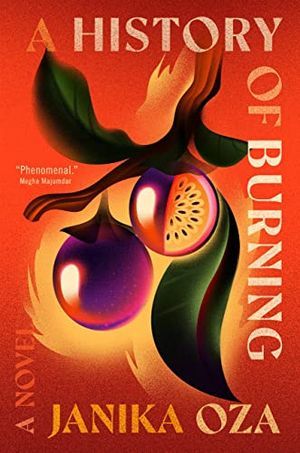
A History of Burning by Janika Oza
When: 1898-1972
Where: Uganda
Over the course of generations and continents, one family reckons with the consequences of relocation, resistance, collusion, and separation. After being taken from his village in India to work on the East African Railway by the British, Pirbhai makes a choice to ensure his survival that will reverberate down through the years. His granddaughters, who come of age under the ruthless regime of Idi Amin and his expulsion of South Asians from Uganda, are forced to confront their family’s past and how far they’re willing to go in the present to find a place for themselves.
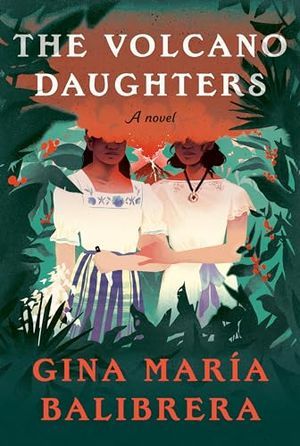
The Volcano Daughters by Gina María Balibrera
When: 1923
Where: El Salvador
Two sisters are separated—and then reunited—by their father, a man enmeshed in the regime of El Gran Pendejo, who chooses the younger girl to become his oracle. As the violence increases, including in their Indigenous childhood community near a volcano, the sisters are forced to flee for their lives. But the consequences of their experiences under El Gran Pendejo’s cruel fist ripple down through the years and into the rest of their lives.
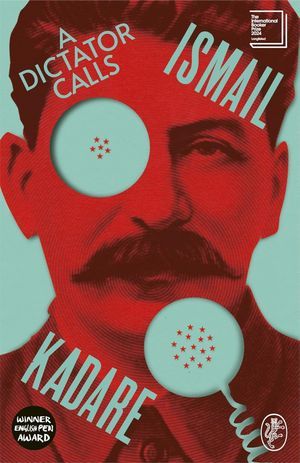
A Dictator Calls by Ismail Kadare, translated by John Hodgson
When: 1934
Where: Soviet Union
Based on an alleged phone call between Joseph Stalin and the novelist and poet Boris Pasternak in June 1934, Kadare reconstructs a three-minute conversation where the two discuss the recent arrest of Soviet poet Osip Mandelstam. Drawing on different versions of that call, from the official transcript to accounts from witnesses such as British-Russian philosopher Isaiah Berlin and Russian poet Anna Akhmatova, Kadare composes a compelling rumination on the connection between writers and tyranny.
Book Deals
Sign up for our Book Deals newsletter and get up to 80% off books you actually want to read.
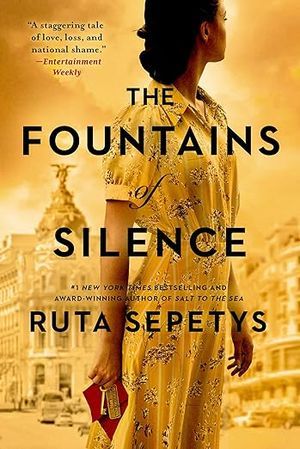
The Fountains of Silence by Ruta Sepetys
When: 1957
Where: Spain
In 1950s Spain, the shadow of the Civil War hangs over Madrid. Daniel Matheson, newly arrived with his parents, doesn’t know that, though. He just wants to explore the country of his mother’s birth through the lens of his camera. But when he meets Ana, a hotel maid whose parents were killed for opposing General Francisco Franco, he begins to discover the darkness hiding behind Spain’s cheery tourist facade.
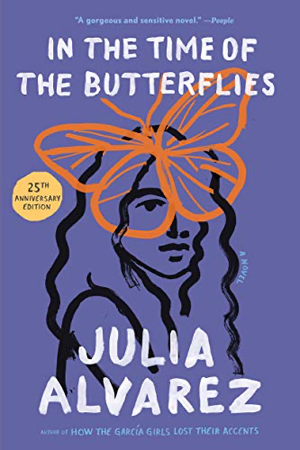
In the Time of the Butterflies by Julia Alvarez
When: 1960
Where: Dominican Republic
This is the story of the three Mirabal sisters, real women who lived in 1960s Dominican Republic, as retold by their surviving sister Dede. Known as “la mariposas,” Minerva, Patria, and Maria Teresa fought to overthrow the Trujillo dictatorship and were brutally murdered for their efforts. Alvarez explores their teenage years, the experiences that turned them into revolutionaries, and the impact they left behind even after their deaths.
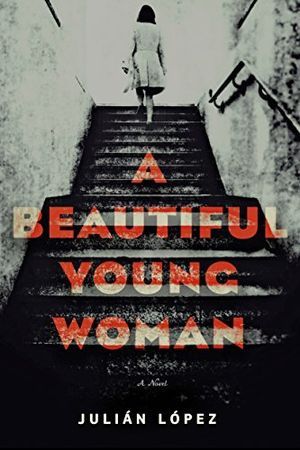
A Beautiful Young Woman by Julián López
When: 1970s-80s
Where: Argentina
During Argentina’s Dirty War, dissidents, activists, and other civilians were disappeared by the military junta ruling the country. This reality becomes all too personal one day for a boy in Buenos Aires when he returns home to find his mother missing. Jumping years forward to his adulthood, the boy who’s now a man tries to reconstruct the fractured memories of his mother and the activism she fought and died for.

A Case of Exploding Mangoes by Mohammed Hanif
When: 1978-1988
Where: Pakistan
In 1988, the Lockheed C-130 Hercules airplane carrying General Zia ul-Haq, the military dictator of Pakistan, explodes, killing him. But what caused one of the sturdiest planes in the world to go up in smoke? It might’ve been Ali Shigri, an Air Force pilot and Silent Drill Commander of the Fury Squadron, who’s been on a mission to avenge his dead father for years. Or maybe it was the CIA. It could’ve even been a mechanical failure or human error. But whatever the case may be, there’s a line of people just waiting to assassinate the Pakistani dictator, and as much as Shigri might want to be at the front of it, he may not be able to get to ul-Haq first.

How to Order the Universe by María José Ferrada, translated by Elizabeth Bryer
When: 1970s
Where: Chile
To seven-year-old M, the world makes sense, and it makes sense because it’s dictated by a set of principles based on her father’s life as a traveling salesman. M is enchanted with her father’s work and finally convinces him to take her along as he sells hardware throughout Pinochet-era Chile. The state of her country and the precarious nature of her father’s work barely register to M. That all changes when they meet up with a strange photographer during the course of their travels. Suddenly, the life they’ve created for themselves in these tumultuous times is put in jeopardy.