Oh no. Here it comes again. I’ve got something stuck in my craw, and it’s going to unfurl in fabulous, Carissified fashion.
So, here’s the thing. I’ve been covering television professionally for almost two decades now. If I’m being honest with myself, I’ve been watching it intently for close to sixty years — probably all sixty. Still, I’ll be generous and pretend I wasn’t fully analyzing character arcs while in diapers.
TV has shaped so much of how I see the world that sometimes it’s hard to separate what I learned from people around me and what I learned from the characters who felt more familiar than half the real humans in my orbit.
And because of that, I feel like I have a pretty good sense of when the industry is on the right track and when it’s quietly marching off a cliff while pretending the view is lovely.
Right now, it feels like we’re in the “marching off a cliff” era. It’s happening in a way that doesn’t always demand attention, so you may not even see it coming.
Instead, you look around after a few years and realize the things that made TV… well, TV… have been replaced by this oddly frantic pressure to binge an entire season in one sitting, as if cultural value were measured in hours devoured instead of thoughts sparked.
Trust me, I am that person. I watch more TV than anyone I know. I’m a pro even outside of the pros’ sense. I can binge 26 seasons of a show so fast it’s hard to fathom. But do I retain it? Carry it with me? Not so much.
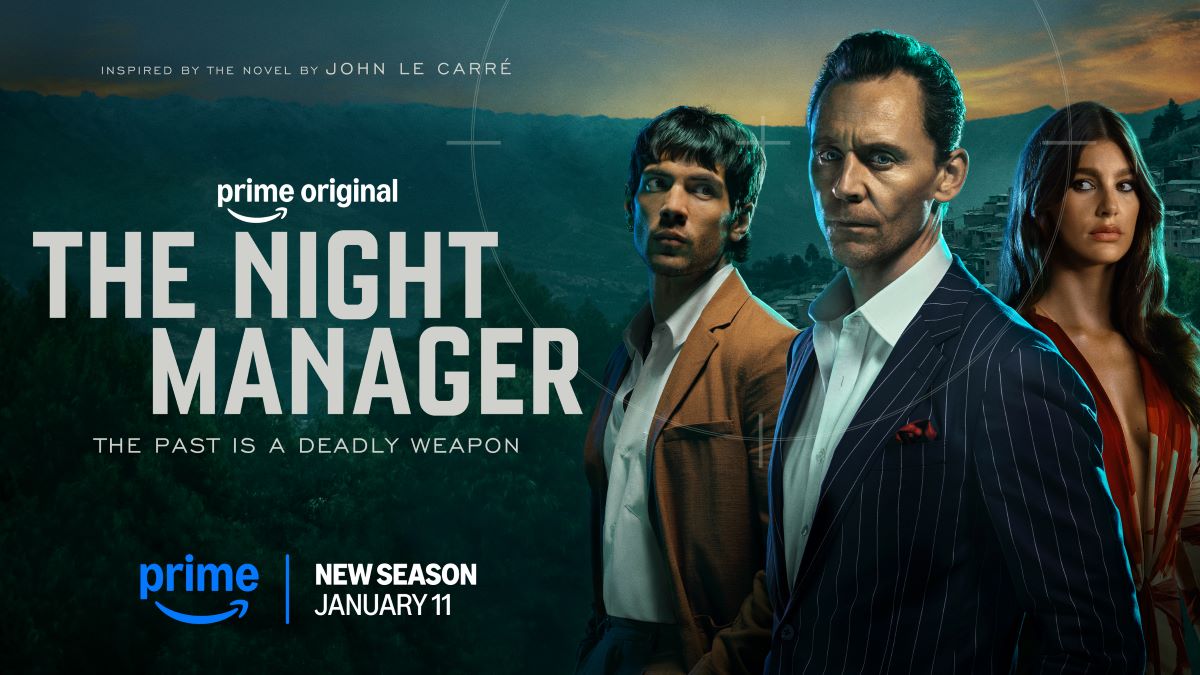
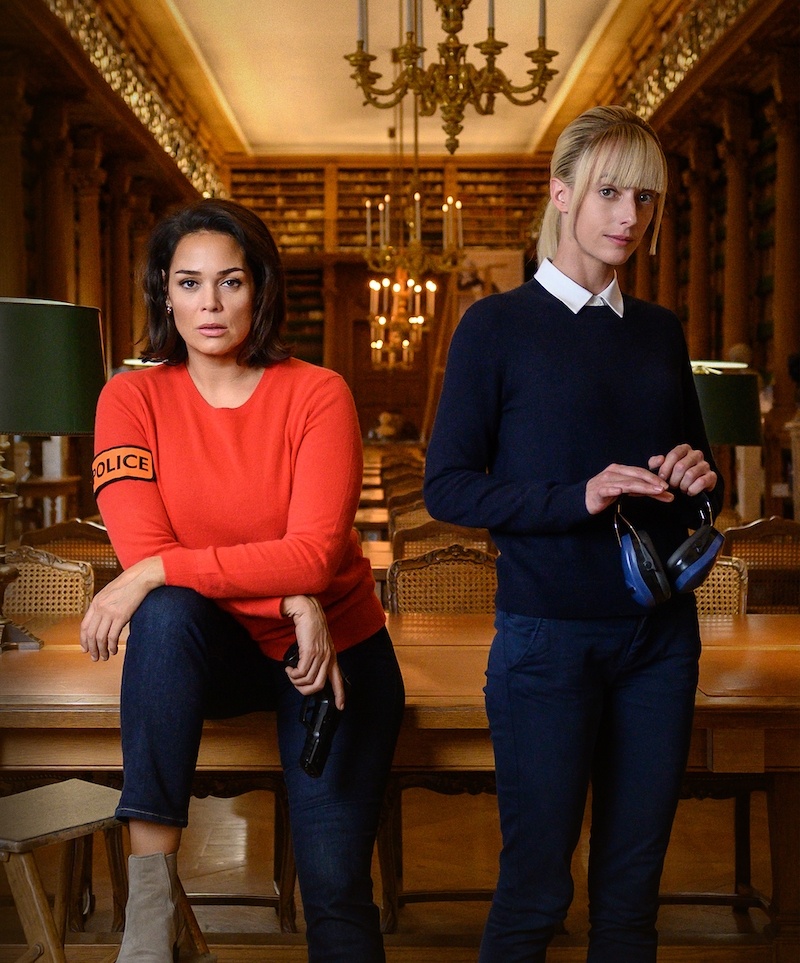
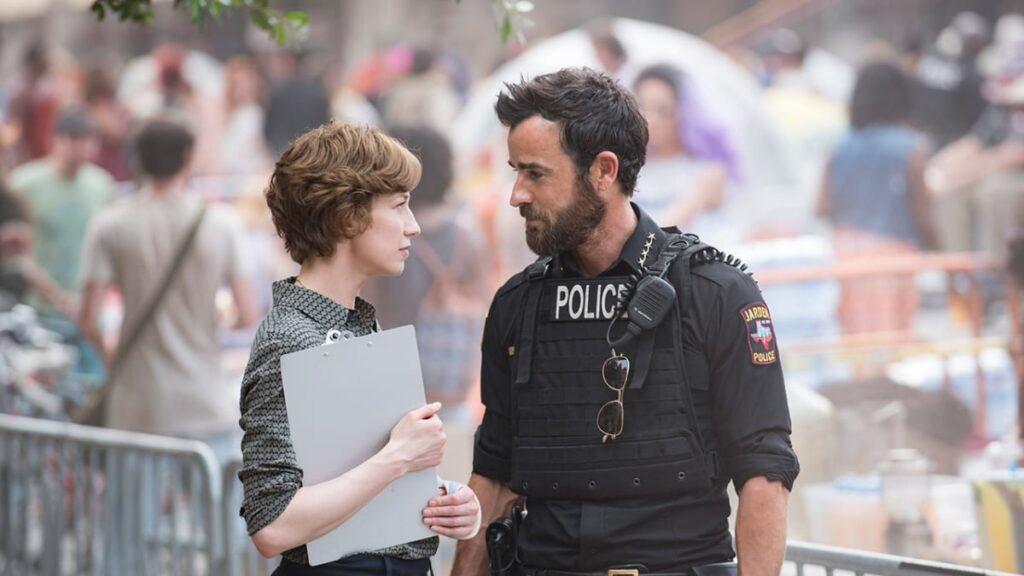
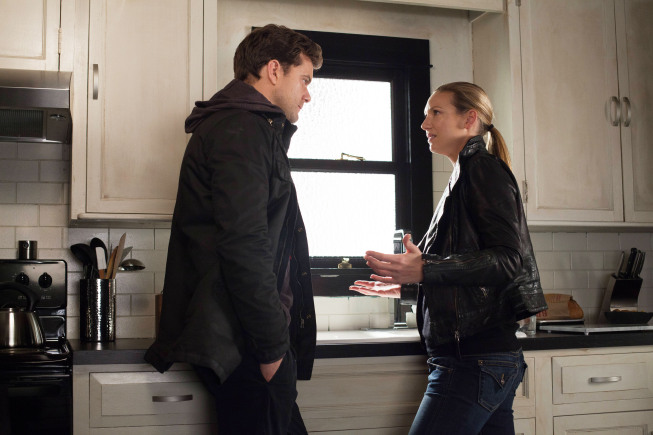
It’s strange, because anyone who has ever loved a show — really loved it (and I’m peppering this column with photos of my favorites) — knows that part of the magic was always in the waiting, in the talking, in the week where you lived with the episode rattling around your brain until the next one arrived.
And yet here we are, pretending that dropping an entire season at once is somehow better for everyone, even though deep down we all know it flattens everything.
It flattens conversation, excitement, audience growth, creativity, and — this is the part I think nobody wants to admit — it flattens the rest of the entertainment world, too. Because when people are stuck binge-watching ten hours of television every Friday night into the weekend, they aren’t going to the movies.
They aren’t discovering the little indie film that needs word of mouth to survive. They aren’t sharing the cultural oxygen that once nourished every corner of the industry.
And maybe it’s just me, but that feels like a loss.
What I keep coming back to is how obvious this all seems. Weekly episodes give shows time to breathe. They create anticipation and conversation, and that communal “did you see it?” energy that makes fans out of casual viewers.
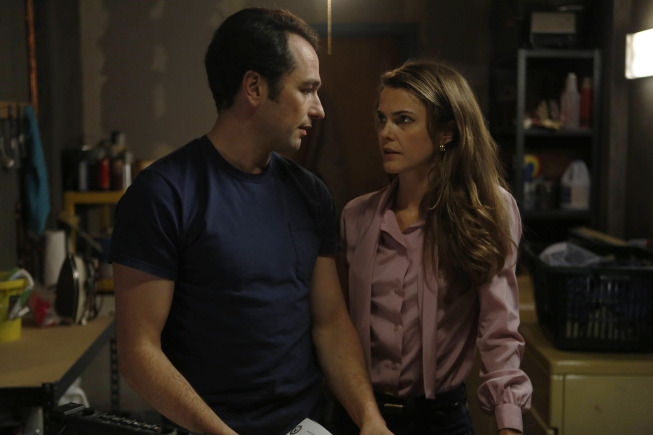
When a show drops weekly, it sits with you. You think about it while folding laundry or driving to work or making dinner, and before you know it, you’re recommending it to everyone you know — and they have time to catch up before the finale.
But when a show drops all at once, it becomes a task on the to-do list. You either race through it before the spoilers hit, or you fall behind and give up, because who wants to feel like they’re doing homework on their day off?
And honestly, binge culture doesn’t even help streamers the way they think it does. If anything, it encourages people to subscribe for a month, tear through everything, and disappear again until the next big title lands.
In what world is that a sustainable business model?
Weekly releases, on the other hand, keep people around because the story keeps unfolding. It holds attention. It stretches the emotional journey. It turns a show into an event instead of a weekend obligation.
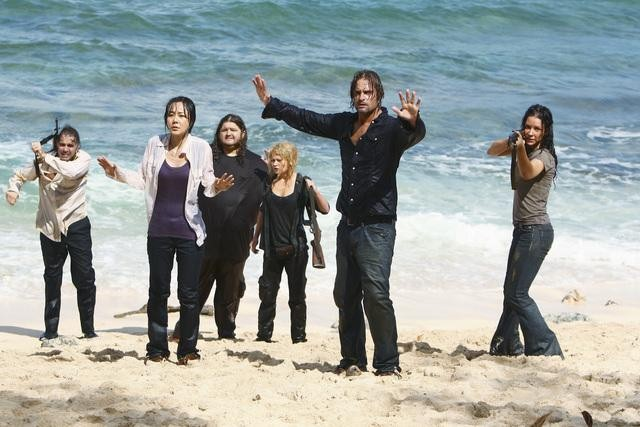
And yes, it leaves room for people to go outside on a Saturday afternoon and maybe wander into a movie theater, which is where so many great stories still live, despite what the algorithms want us to believe.
And if anyone needs a reminder of what weekly television can do — what it used to do — all we have to do is look back at Lost. That show wasn’t just entertainment; it was a weekly cultural earthquake.
I still remember how electric it felt to finish an episode and immediately go hunting for reactions. I wasn’t just watching the show — I was watching the conversation.
I’d jump onto any site covering TV just to see what they saw, and then I’d take that and line it up with what my friends thought, and what their friends thought, and suddenly the whole thing became this endlessly branching tree of theories and interpretations and emotional reactions.
That might be the moment I realized there was a whole world attached to television — a world of people trying to make sense of the same story but through totally different perspectives. We weren’t passively watching. It was a communicable experience.
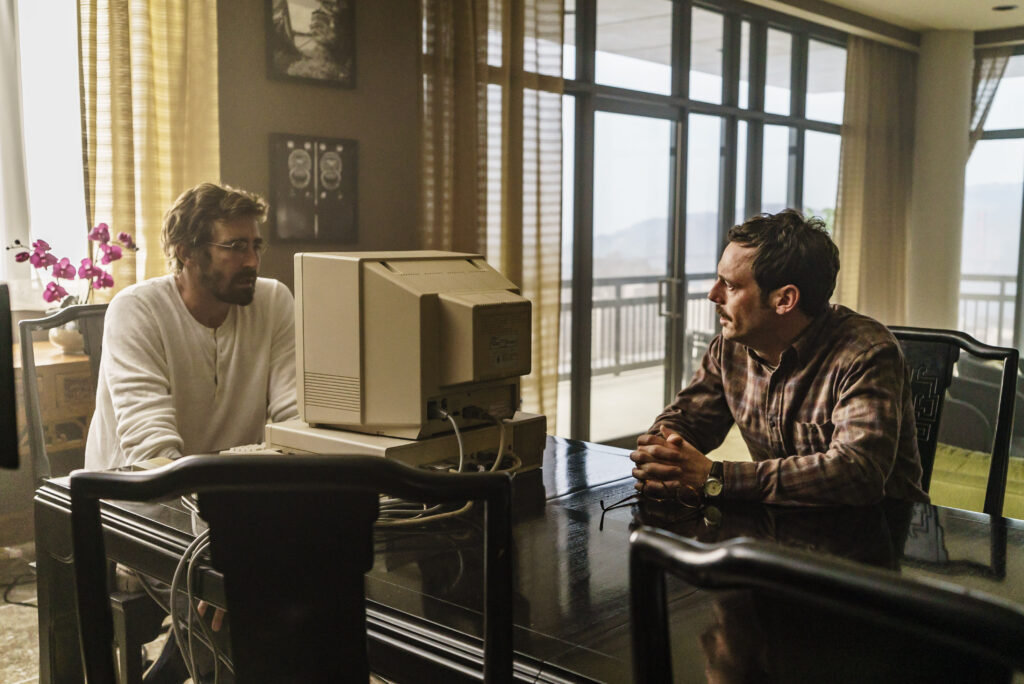
It changed the way I thought about writing and about story. I’d read a theory on one site, get annoyed by another on a different site, hear a friend swear a character was dead when I was certain they weren’t, and the cycle would repeat all over again the next week.
It was thrilling and obsessive and somehow more alive than the episodes themselves, because the show didn’t end when the credits rolled — it spilled into your life. Even when I thought I hated the show, I had to tune in. It was like a drug I couldn’t quit.
There’s no binge version of that, and there never will be.
You can’t replicate ten (or 22!) weeks of wonder and speculation by dropping the entire season in a single day and telling people, “Good luck staying spoiler-free” any more than you can create community when everyone is watching on their own personal schedule.
The urgency is gone. The shared experience evaporates. The fun is out the window.
Lost wasn’t just a phenomenon because it was good. It was a phenomenon because it was weekly.
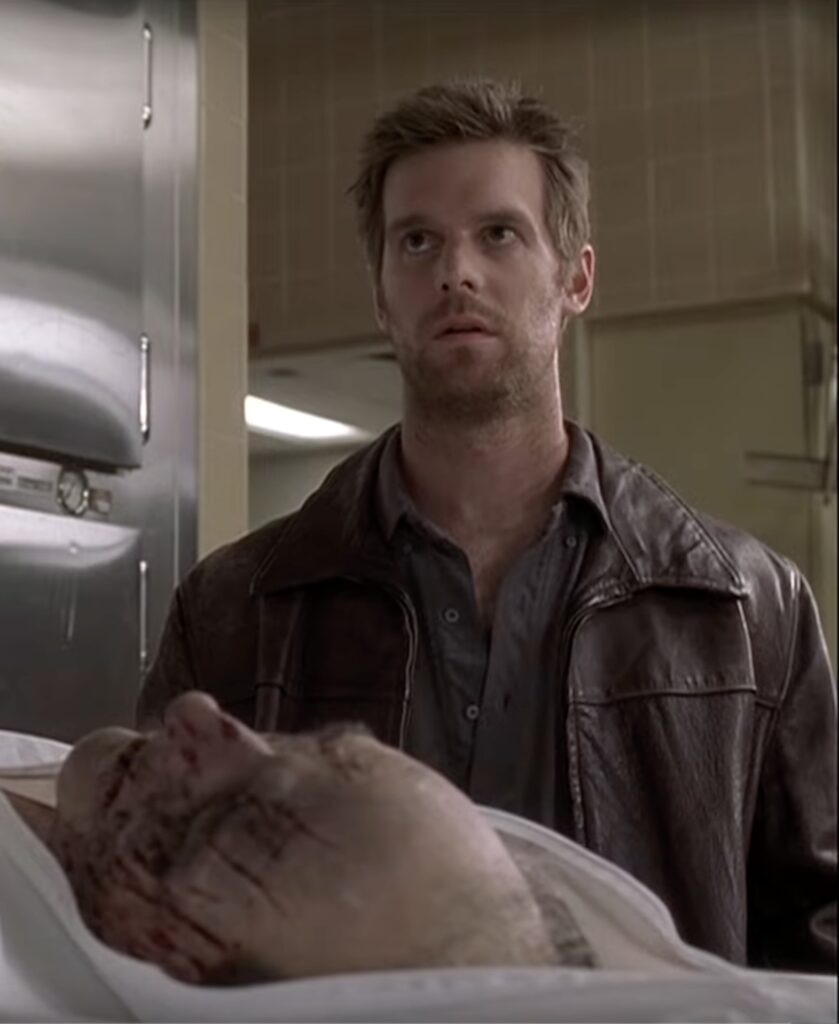
And maybe that’s why this whole conversation frustrates me so much — because I’ve seen what weekly television can do when it’s firing on all cylinders.
I watched an entire generation learn how to engage with story through Lost, and honestly, even shows that didn’t inspire mystery boards or time travel arguments benefited from the same thing.
Friday Night Lights lived and breathed because people had time to feel it. Mad Men became a cultural dissertation because we were given a week to unpack Don Draper’s latest spiral.
It wasn’t about the algorithms; it was about the ritual. You watched TV. You felt it and thought about it. Then, you talked about it. The show grew because your engagement grew.
When you binge, you don’t get that slow-burn attachment; you get a sugar rush. It’s intense, almost instantaneous, and it’s gone before your brain even catches up.
People always say “I loved that show!” right after a binge, and then ask “Wait, what happened again?” three weeks later. Nothing sticks. There’s no emotional entanglement or enduring connection. It becomes something you consumed, not something that lived with you.
And here’s where the studios — especially the streamers — keep missing the forest for the trees: they think binge releases keep them competitive, but all they do is speed up the churn.
They train viewers to show up for a weekend rather than a season and encourage people to subscribe for a month rather than a year.
They kill the natural pacing that used to keep audiences tethered, and then they act shocked when retention slips, revenue dips, or algorithms have to work overtime to shove the next shiny thing in front of you so you don’t cancel. It’s madness.
Meanwhile, the weekly model creates space — not just for shows to grow but for everything else in entertainment to benefit. It gives people their weekends back.
It gives theaters a fighting chance because, instead of being glued to their couches for eight straight hours, viewers have one episode to watch and then forty-eight hours of free time in which they might — gasp — leave the house and see a movie.

We act like screen time is this immovable, finite resource, but it’s not. It shifts and adapts. And if TV stopped eating entire weekends with binge releases, some of that time would drift back to theaters, back to books, back to games, back to life.
But right now, the streamers own Fridays in a way they don’t even seem to realize, and it’s suffocating everything around it.
And the thing is, I’m not even arguing from a place of data, although I could absolutely throw around Antenna charts or some words of wisdom from The Entertainment Strategy Guy about retention curves just to make the point feel more official.
But this isn’t about numbers. It’s about common sense, lived experience, and decades of watching this industry rise and collapse and reinvent itself again.
I don’t need a spreadsheet to tell me that people talk more when they have time to talk. I don’t need a chart to prove that anticipation creates investment.

And I certainly don’t need a graph to illustrate that if a show lives in the culture for ten weeks, it has a better shot at longevity than if it burns hot for two days and disappears without leaving a footprint.
I had spreadsheets. You know what they held? My carefully crafted plan of attack to watch the best broadcast had to offer. How would I fit it all in? My friends and I compared our spreadsheets, shared them like trading cards.
When something piques your interest, you will find a way to watch it. You don’t need it served to you on a buffet table for screen gluttons. Networks and platforms need to have more faith in the human aspect of the content they produce.
I’ve watched all of this happen long enough to recognize the difference between models that nurture television and models that cannibalize it. The weekly drop nurtures. The binge drop cannibalizes.
And the irony is that the binge model doesn’t just eat its own — it eats everything else around it.

That includes the movies that still desperately need that weekend attention, especially now that theaters are struggling for oxygen in a way that reminds me (in a slightly terrifying way) of what broadcast TV looked like when streaming first arrived.
So when I say weekly releases could save more than just streaming, I mean it. They could stabilize viewing habits. They could encourage consistent engagement. They could rebuild the cultural rhythm we lost when everything became on-demand, on-repeat, and on-autoplay.
They could give theaters room to reclaim weekends and could even give critics room to write thoughtfully instead of racing against spoilers.
And although people claim to want to see everything all at once, when they have time to breathe with a show, they find others to discuss it with and rope even more into watching. Look at Reddit or Facebook if you don’t believe me.
And honestly, taking back what made TV… TV could also restore its dignity.

Not everything needs to be inhaled. Some things are meant to unfold. And when TV unfolds — slowly, deliberately, one week at a time — it becomes something bigger than content.
It becomes conversation and connection, and once again can become the thing many of us fell in love with decades ago, before the algorithms started demanding more and the studios began mistaking speed for success.
And maybe that’s why I’m writing this — because I refuse to sit quietly while we watch the medium get flattened into something unrecognizable.
We’re losing something precious in the name of convenience, and I’ve lived long enough with television to know that the magic wasn’t just in the episodes. The magic was in the waiting.
And the real irony here is that this article came to life in the wake of a 24-post-drop embargo on episodic coverage, which essentially ties the hands of sites like ours, while handing the reins over to social media, whether Reddit, Twitter, Facebook, or TikTok.
Appointment viewing without the appointment, in whatever form it comes in, will never be as strong when we watch and talk about it together. If ever there was a time we needed community about anything other than politics, this is it. Oh well.
Agree? Disagree? It’s your turn to share your thoughts in the comments below. What shows did you watch where the weekly release was part of the appeal? I want to hear from you!
-
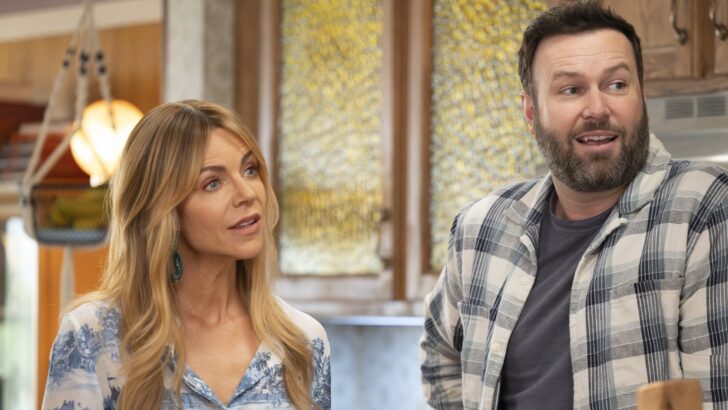
Taran Killam Talks Working With Wonderful Scene Partners in Stumble & High Potential
Taran Killam is showing us a different type of relationship in comedy on Stumble, and he delves into that and his time on High Potential.
-
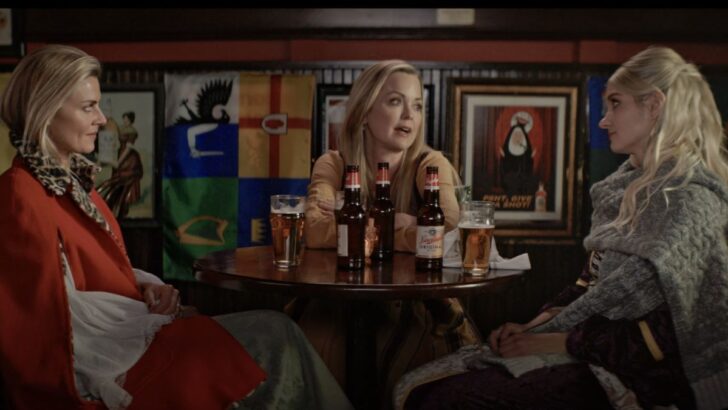
Marisa Coughlan Unpacks Her Personal Connection to Blue Eyed Girl
In an exclusive interview, Marisa Coughlan shares what inspired her to write, produce, & star in Blue Eyed Girl, a modern coming-of-age movie
-
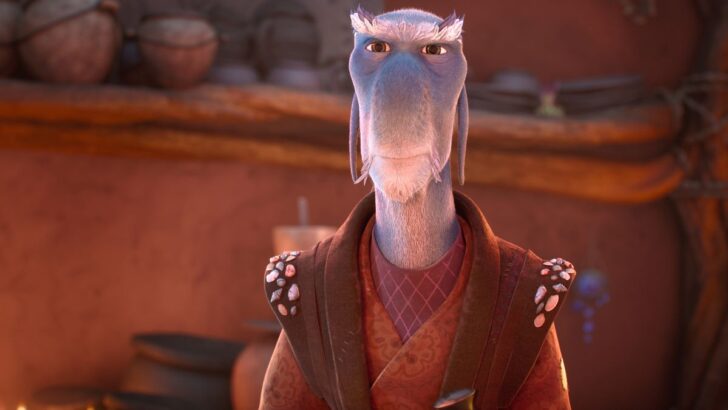
Gary Anthony Williams Explores the Journey of Playing WondLa’s Rovender Kitt
In an exclusive interview, Gary Anthony Williams chats with TV Fanatic about playing Rovender Kitt on Apple TV’s animated adventure, WondLa.
The post Everything Got Worse When TV Started Dropping All at Once appeared first on TV Fanatic.