We’ve noticed a troubling pattern across two of our favorite medical dramas this season — and unfortunately, it’s frustrated viewers more than it’s intrigued them.
Both Doc and Brilliant Minds have introduced nearly identical controversial plotlines: the vengeful doctor orchestrating an elaborate psychological takedown of the show’s lead.
Normally, parallel storylines like this invite comparison. Which series handled it better? Which one found the stronger balance?

Two Compelling Series Fumble with One Pattern
But the uncomfortable reality here is that there’s no need to choose a winner — because viewers are rejecting both approaches equally.
Why? Because they aren’t compelling, layered, antagonistic arcs, even if that’s the intention. No, instead, they’re exercises in emotional cruelty.
On paper, the setup for something like this makes sense.
For dramatic purposes, it’s easy to see how we could reach a point where our protagonists need a villain or antagonists in their story, because it’s a common and effective narrative structure for any great story.

What’s a great hero without obstacles to overcome, challenges to face, and someone working against them in a tale, right?
And to both Doc and Brilliant Minds’ credit, they opted to add some layers to their current antagonists so that they wouldn’t read as just your basic villain trope — where villainy is the objective without much of anything else.
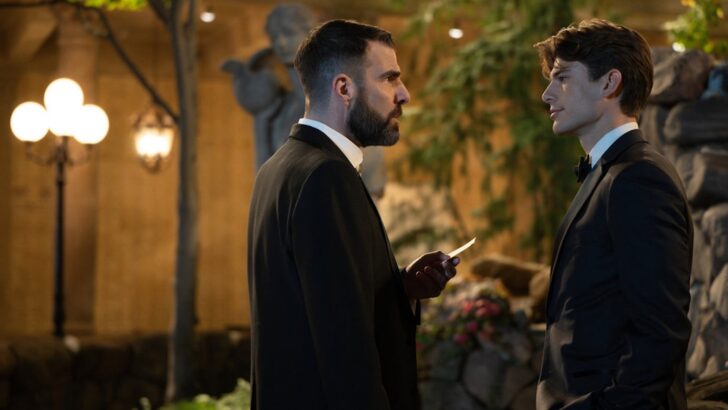
It just so happens that both series have landed on a similar way of doing that: Charlie’s resentful feelings and unprocessed grief over his mother’s death under Wolf’s watch have fueled him to exact revenge in such a deeply calculated and eerie way that it leaves many of us gasping.
Meanwhile, Hannah’s plans are looser and more impulsive ever since she learned, through a slip of the tongue from some lady in HR, that her father got a raw deal when he left the hospital, which led her to conclude Amy was responsible.
Tragic Backstories Aren’t a Free Pass

The two series have taken different approaches to handling these storylines. On Brilliant Minds, the more we know, the more obvious it is that Charlie has been actively planning how he’d get back at Wolf.
Apparently, no amount of therapy results in him working through and healthily processing his grief. Instead, a terrifying level of vengeance fuels him in exacting a plan bit by bit, ensuring that he’ll eventually get the results that he desires.
Whereas with Hannah, everything feels more abrupt and chaotic. It’s evident this young woman is acting more on impulse and emotions than rational thought. She already regrets it by Doc Season 2’s fall finale, because by enlisting her brother in this venture, everything has gone off the rails.
Their methods are vastly different, and you would think that those differing styles would be enough to have viewers responding better to one than the other, right?
Hurt People Destroy People

The goal in both instances is to depict two young people (three, if we include Doc’s Charlie) as grieving young adults whose lives were profoundly influenced by the death of a parent, and they haven’t been able to adequately process those losses.
It’s something that should make them sympathetic and maybe even be relatable. Whether it’s the death of a parent, specifically, or a loved one, loss and grief are things with which the majority of individuals can identify and understand.
By using things like flashbacks and references, it adds layers to Charlie, Hannah, and Other Charlie, meant to make us sympathize with them even as they’re actively working against the characters we know and love best.
Except, as far as I can tell, that doesn’t seem to be working with most of the audience because a tragic backstory alone does not make cruelty palatable.
Charlie’s Cruelty is Hypocritical and Too Sinister
For Brilliant Minds, Charlie’s crusade against Wolf is especially difficult to stomach because of the hypocrisy and dissonance it reveals.
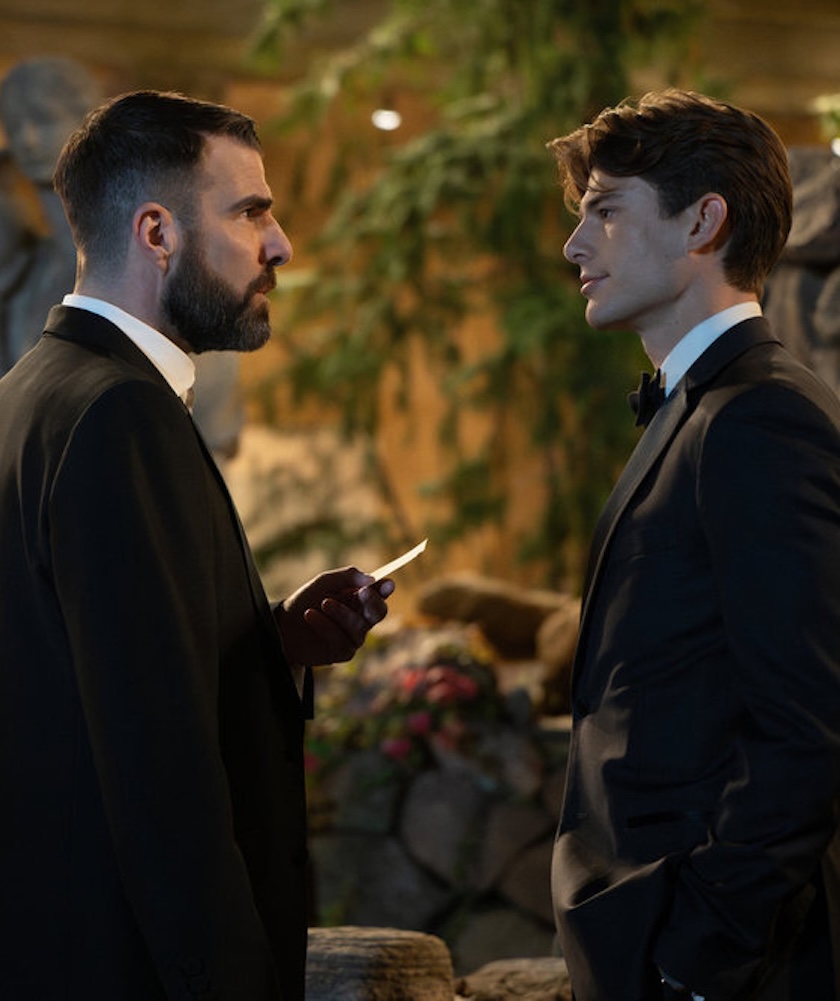
He accuses Wolf of selling his mother false hope — of being too optimistic rather than brutally honest — yet Charlie himself is now a young doctor making his own mistakes. Yet, he refuses to grant Wolf the same grace he expects for himself.
Wolf isn’t perfect as a doctor; he goes off the rails or gets too personal, and he’s trained his interns to be risk-takers who dabble in gray areas for “the greater good,” too. All of these things are part of what makes Wolf both flawed and compelling.
But Charlie waltzed into the hospital with a preconceived notion of how not just Wolf operates, but everyone else, and he’s been holding that against everyone since then. He’s brash, judgmental, and even disrespectful. And his arrogance, despite merely being a resident, is astounding.
Additionally, Charlie’s perspective of Wolf and the hospital now comes from childhood experience.
He was never fully privy to every medical conversation between his mother and Wolf, what she may have done or encouraged as part of her own process, or anything.
All of Charlie’s certainty is built on incomplete information, but he treats it as absolute. It’s not about the truth, only his truth.
Psychological Warfare and Annihilation are Too Low to Stomach

And thus, all of this results in Charlie not only being on a pathway toward vengeance but also becoming the extreme opposite of Wolf in patient care and practice, which is equally dangerous. We see Wolf fight for patients, almost to a fault, but we also see Charlie give up on them, which is even more terrifying.
Charlie’s awareness of how his life was forever changed by his mother’s death and father’s drinking is pronounced, but instead of leaning into his therapy to help him through it properly, he’s instead focused on destroying Wolf, mind, body, and spirit.
Charlie’s vengeance rests primarily on attacking Wolf’s mind.
Charlie doesn’t want Wolf humbled. He wants him broken.
And from the flash forward, he succeeds — driving a mentally and emotionally fragile, neurodivergent man into a psychiatric facility by deliberately exploiting his deepest fears: his own mind, his genetics, and his trauma.
It’s complete mental and psychological destruction, and that’s the line Brilliant Minds crosses that many viewers can’t forgive.
When Crutelty is Too Unsettling to Be Entertaining
We’re living in a time when everywhere you turn, there’s such cruelty that it physically hurts and takes a mental and emotional toll.
And then we have series that have so often been geared towards positivity, hope, and light, only to be marked and stained by cruelty.
When it comes to these revenge plots, the cruelty is the whole point — and maybe that’s why people neither want to subscribe to it nor can tolerate it.
Doc veers into similar territory with Hannah and Other Charlie. There are no conversations with the suspected, no revelations in an effort to gain insight before deciding next steps, just total destruction.
These plots have made judge, jury, and executioner out of incredibly biased, traumatized individuals who are far too shortsighted to even be in their respective fields, and it’s deeply unsettling rather than entertaining.
Emotional Terrorism and Weaponization of Fragile Mental States
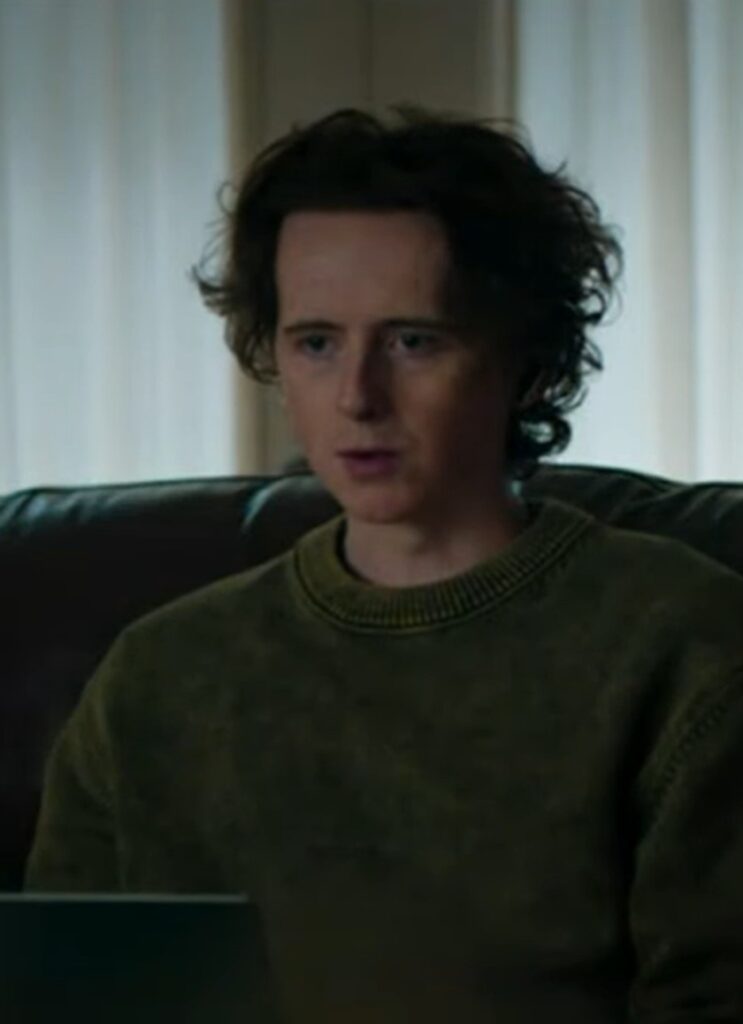
It’s the way that these revenge plots rest entirely on driving an unsuspecting person already battling with mental health and neurological issues to their breaking point that isn’t working out well for many viewers.
There’s an insidious level of sadism to that where no amount of tragic backstory justifies. It’s all horror and little entertainment. And it disrupts what both series have previously established in terms of tone.
Doc’s Amy Larsen is a woman who has not only lost eight years of her memory but is still processing the grief of losing her child. And that’s all compounded further by everything she lost in those eight years that she barely remembers — her family, her friends …everything.
Hannah and Charlie’s basis for going after Amy is even less grounded than Charlie’s going after Wolf. They are literally operating on hospital gossip from someone in HR and the knowledge that their father took his own life.
Anyone who reaches the point of taking their own life is dealing with far more battles than solely a poor interaction with a coworker.
The Psychological Warfare Feels Icky

As a doctor, one would think Hannah knows that, yet she initiates this revenge and enlists her unhinged brother into something that’s so outlandishly destructive it’s stunning.
Hannah has jeopardized the health of patients to do it — nearly killing a patient by changing a script just to frame Amy for it. They’ve hacked her emails, using them to tinker with her dynamics with other characters and leave Amy and those around her questioning Amy’s mental state.
They’re weaponizing Amy’s TBI against her — gaslighting her, devaluing her, and thus making her every move something that others question because of her brain injury.
It’s so sinister, and it feeds into the deepest fears and insecurities of a disabled person.
That type of mental and emotional warfare the siblings are waging is so unspeakably cruel — this gross violation that leaves most viewers feeling not just angry but icky.
Because we all know what’s at the crux of violations in all forms. Physical scars fade. Wounds heal, jobs will be available, but it’s the mental and emotional toll that forever lingers. Those are the biggest beasts that can never fully be slayed.
Doc & Brilliant Minds’ Villain Arcs Disrupt the Tones Viewers Value

Getting someone fired from their job is mean.
But actively trying to mentally and emotionally break them, or making a person and their loved ones no longer trust that person’s mind? That surpasses the unspoken rules of humanity and civility that bind us.
Charlie, Hannah, and Other Charlie aren’t victims. They’re not even falling into the category of “Hurt people who hurt people.” By violating society’s most fundamental social contracts, they become an evil difficult to abide.
At the forefront of shows like Doc and Brilliant Minds are themes of hope, resilience, safety, and the idea that even “broken” people can heal. But these revenge arcs challenge that tone with the ugliness superceding the complexity.
And isn’t the world cruel enough as it is?
Let’s keep the conversation going — are you having these reservations about these villain arcs?
Say something in the comments, share if you’re moved to, and keep reading. Independent voices need readers like you.
-
Charlie’s Backstory on Brilliant Minds Was Predictable (But I’m Intrigued)
Charlie’s backstory is finally out on Brilliant Minds, and it was everything we predicted. However, there’s still something mysterious.
-
Brilliant Minds’ Sophomore Slump Makes Me Miss This Canceled NBC Show More
NBC made some devastating cancellation decisions in 2025. Now as Brilliant Minds struggles with the sophomore slump, I miss one canceled show.
-
Enough is Enough: 5 TV Storylines That Need to Wrap Up Already
Mystery arcs are important for engagement in TV storylines. At the same time, they can go on a little too long.
-

It’s Time to Drop This Brilliant Minds Mystery, and Return to the Heart of the Series
It’s time to drop the Brilliant Minds mystery and return to the heart of the series — the cases and the relationships. We discuss!
-

Doc’s Revenge Plot? Absolutely Not What the Doctor (or the Viewers) Ordered
Doc’s sophomore season is expanding and expounding upon the show and characters in strong ways, except for one frustrating plot.
TV Fanatic is searching for passionate contributors to share their voices across various article types. Think you have what it takes to be a TV Fanatic? Click here for more information and next steps.
The post Cool Tragic Backstories, Still Unsympathetic: Why Brilliant Minds & Doc’s Villain Arcs Don’t Resonate appeared first on TV Fanatic.