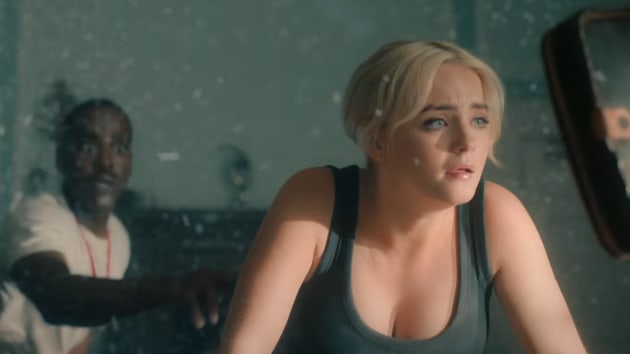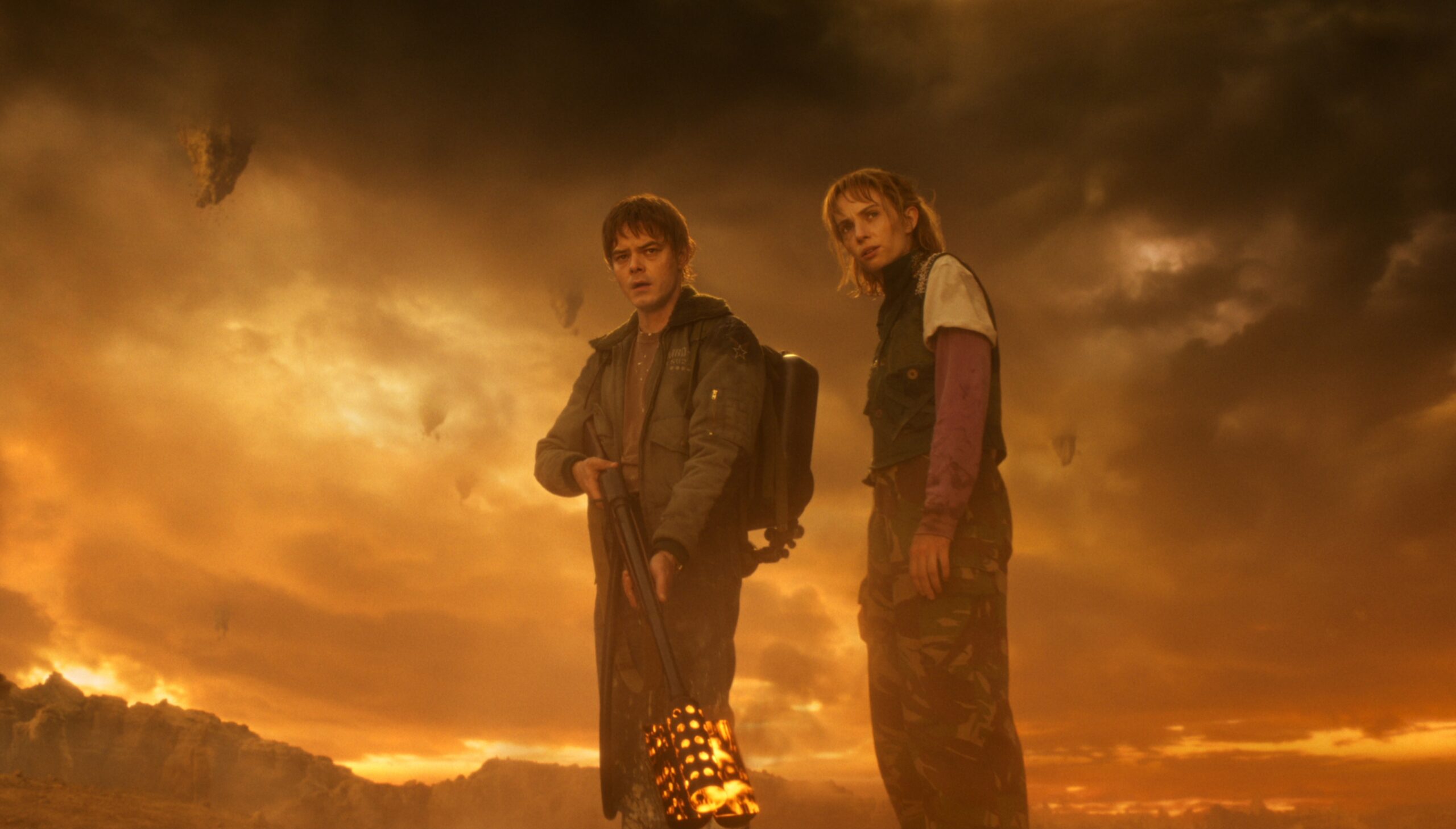

As a fan, it pains me to say this, but Stranger Things Season 5 didn’t just stumble; it failed outright.
After four seasons of highs and lows, I didn’t think the show could top the brilliance of Season 1 or sink below the weaker moments of Season 4.
I was wrong. The Duffer Brothers turned Hawkins into a lesson in how storytelling can go off the rails.
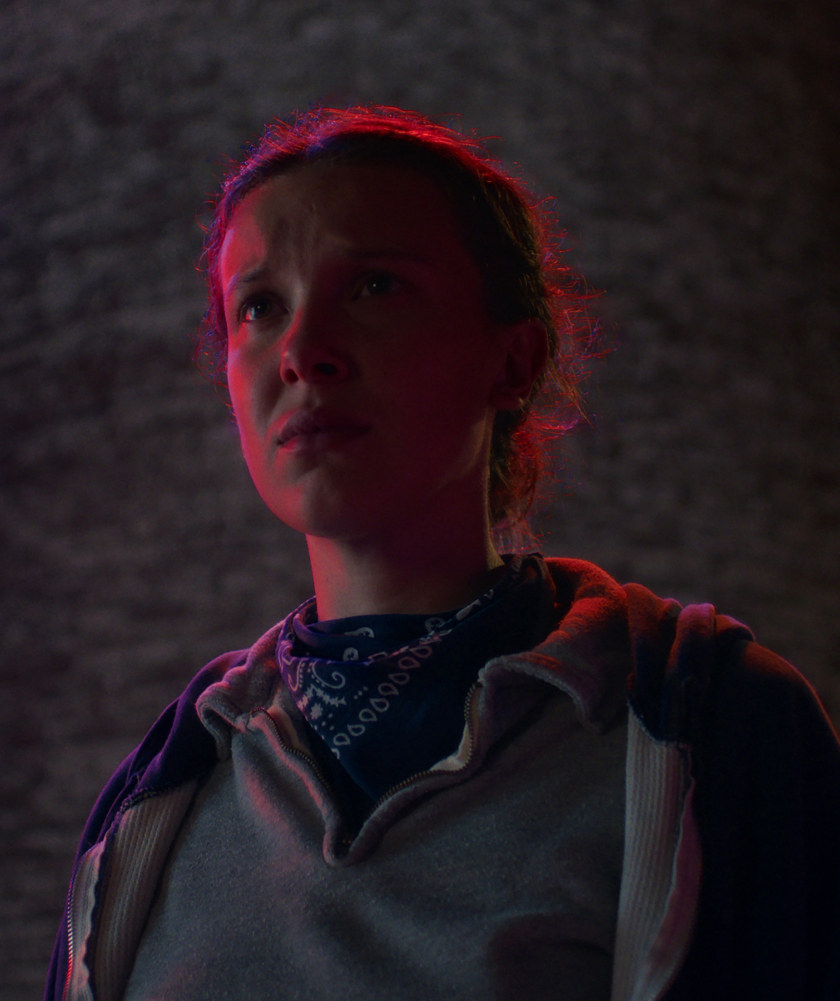
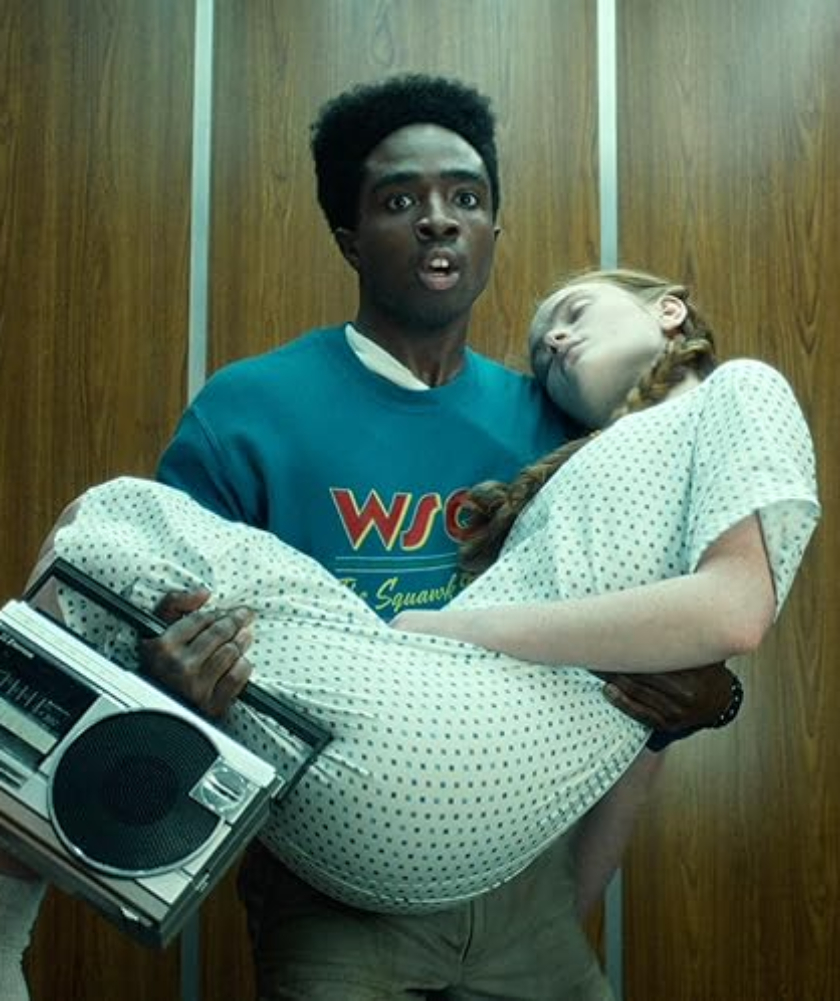
Please don’t think this is blind hate. I loved Season 1, and even with their flaws, Seasons 2–4 had standout moments, like Max sprinting from Vecna’s Mind Lair to “Running Up That Hill.”
Stranger Things Season 5 felt like a slow-motion train wreck, with bloated plotlines, uneven performances, weak world-building, and a fizzled-out villain.
What should have been a strong conclusion instead became a showcase of wasted potential. Here are nine reasons Season 5 left me repeatedly asking, “Really?”
Hawkins’ Apocalypse Turned Into a Disappointing Reset
Let’s stop dancing around it, you know it, I know it, Stranger Things Season 4 told us so in neon lights: the show should have opened on a post-apocalyptic Hawkins.
I’m exhausted from pretending that slapping bloody metal sheets over interdimensional rifts was a clever metaphor for government cover-ups.
It was not, yet they expected us to accept it anyway. Season 4 ended with the Upside Down literally bleeding into Hawkins.
That was the promise. And then, for the final season, they yanked the cord, hit the reset button, and acted like none of it really mattered.
If you ask me, that’s not bold storytelling; it’s creative whiplash. At first, I gave the Duffers the benefit of the doubt.
I told myself, ‘Okay, maybe a full post-apocalyptic Hawkins was just too expensive. Fair enough!’
But then I watched the characters spend half their screen time in the Upside Down, the Abyss, and whatever eldritch nightmare daycare that kaiju-sized Mind Flayer crawled out of.

Suddenly, that excuse didn’t just fall apart; it tripped over its own shoelaces and face-planted.
These creators were not scraping pennies together because they had a blank check, and they held the keys to the kingdom.
They could have done anything, but what did they choose? To take the most intriguing creative setup they’d ever built and shoot it in the head behind the shed.
Well, the commitment to undoing their own cliffhanger is almost impressive, like watching someone build a beautiful house just to set it on fire for warmth.
And you feel it too, don’t you? I didn’t want the apocalypse because it was flashy; I wanted it because the story earned it.
Impossible Injuries, Unbelievable Escapes, and Lazy Writing
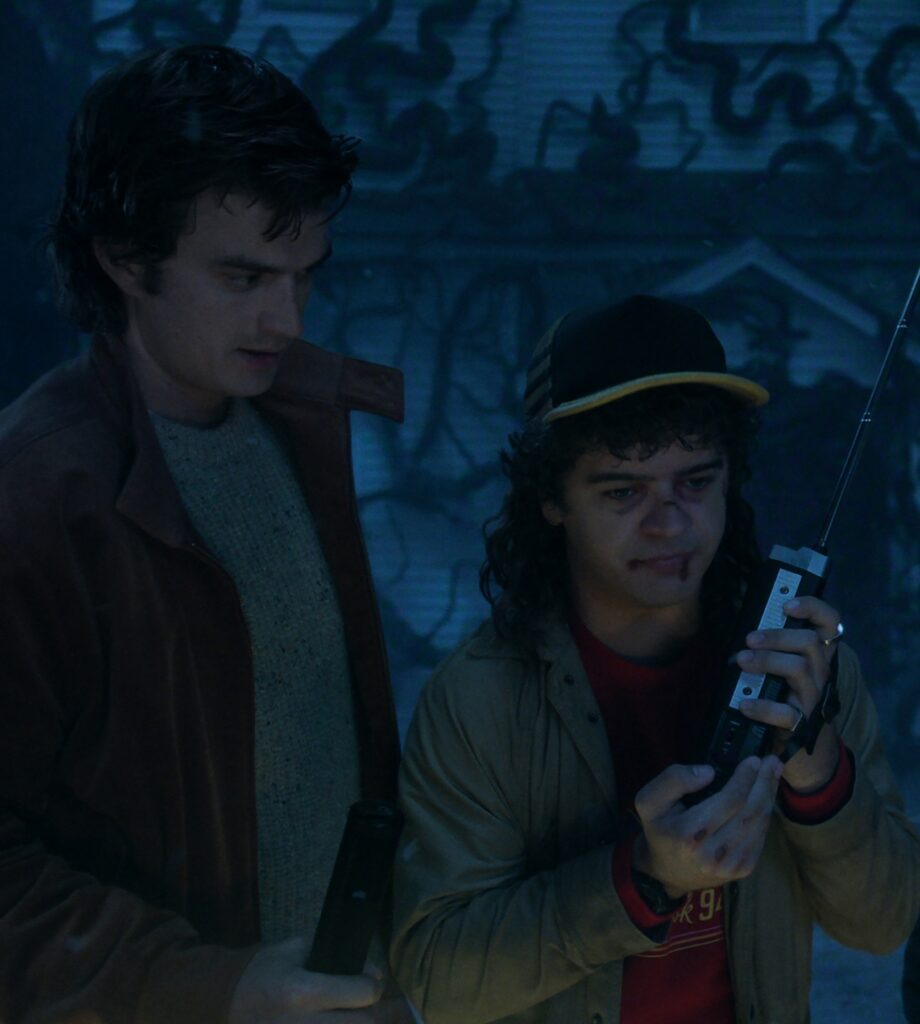
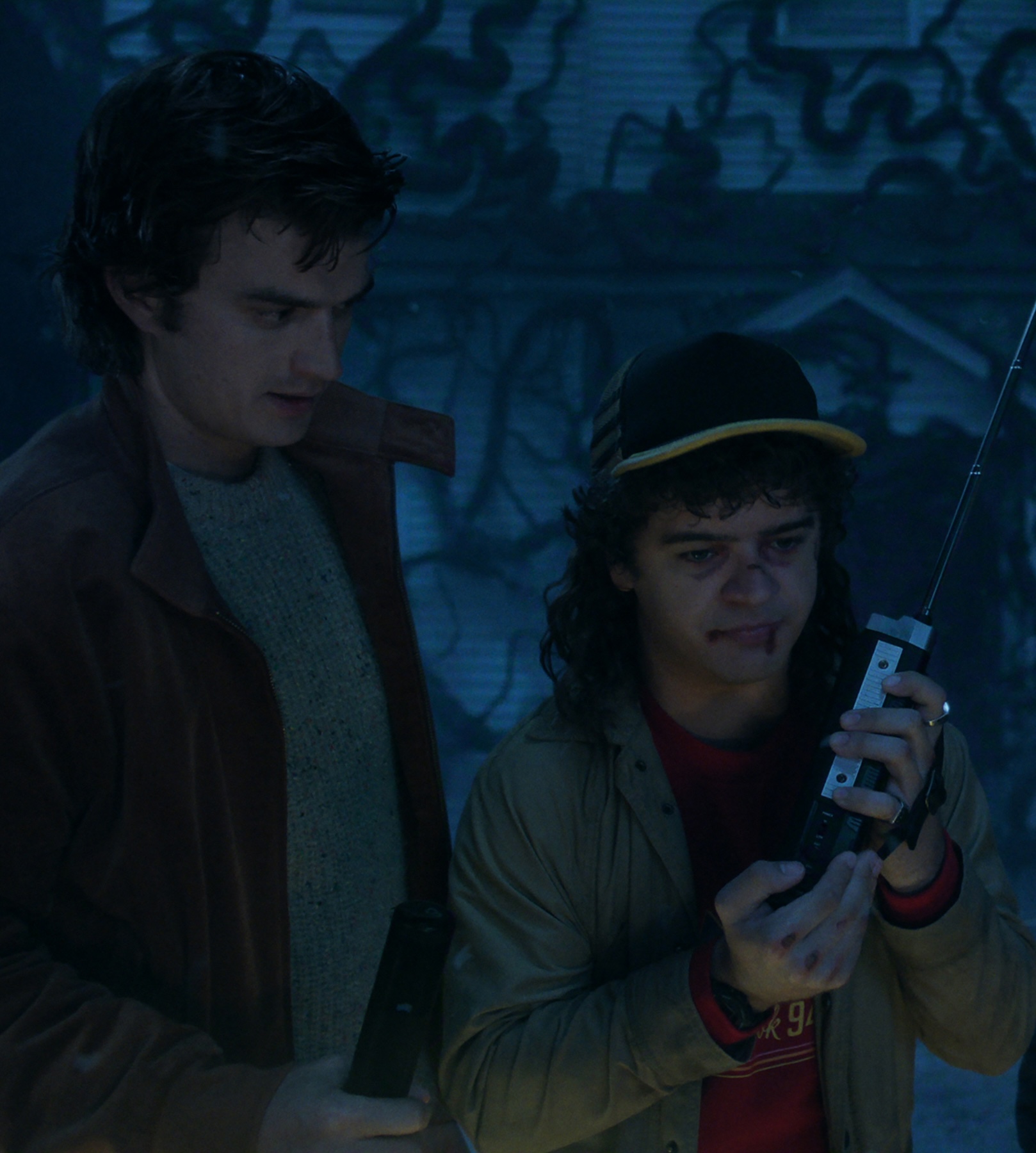
Sure, killing off characters doesn’t automatically make a TV show a masterpiece.
But when your cast is facing literal interdimensional demons, getting crushed by a planet-sized apocalypse, and duking it out with a kaiju, you’d think somebody would bite the dust.
Take Kali, for instance. She’s MIA for two entire seasons, one of the most hated characters of Season 2, and then, poof, she’s back… only to get offed.
And Karen? Well, come on! She gets hacked up by a Demogorgon, vanishes into the Upside Down, and then suddenly she’s back, killing Demodogs like it’s a weekend hobby.
Meanwhile, Max suffers multiple fractures and is left blind, yet she recovers at an absurd pace. Hawkins Memorial Hospital must be handing out miracle-level medication.
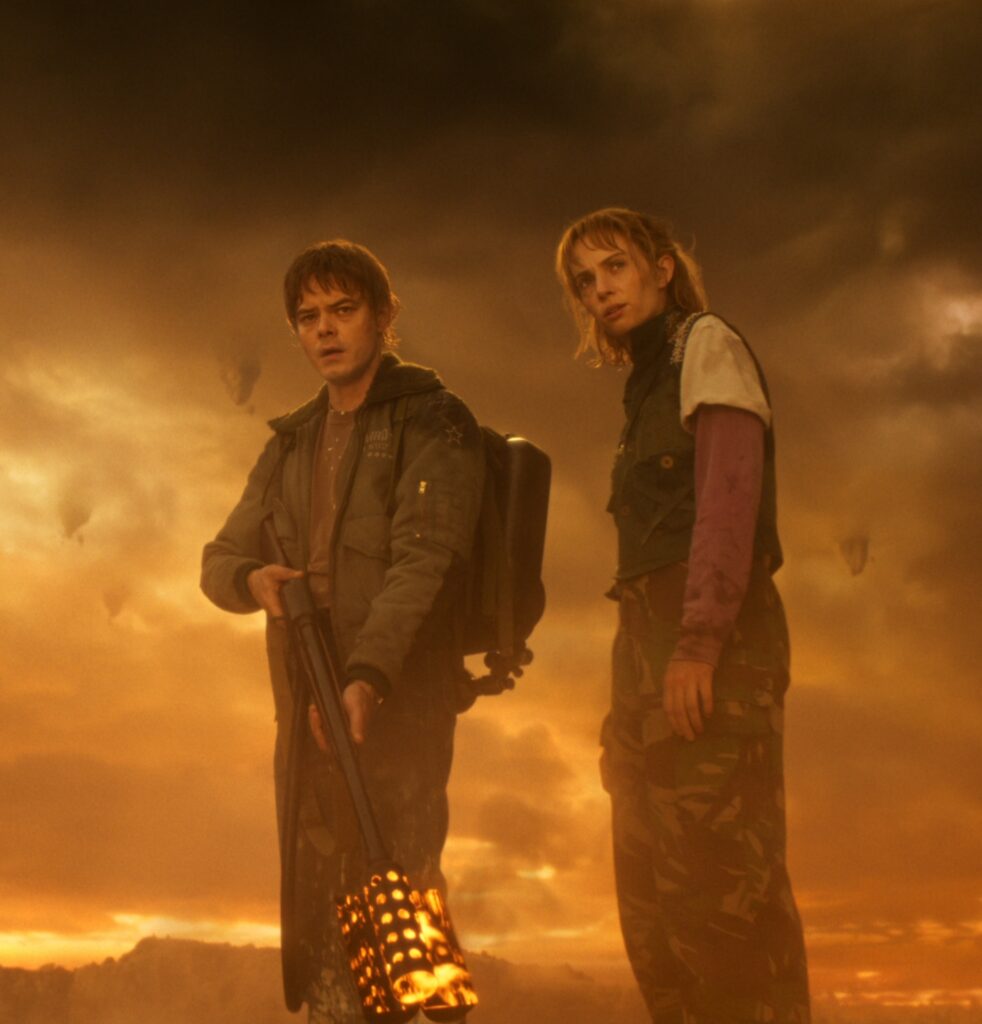
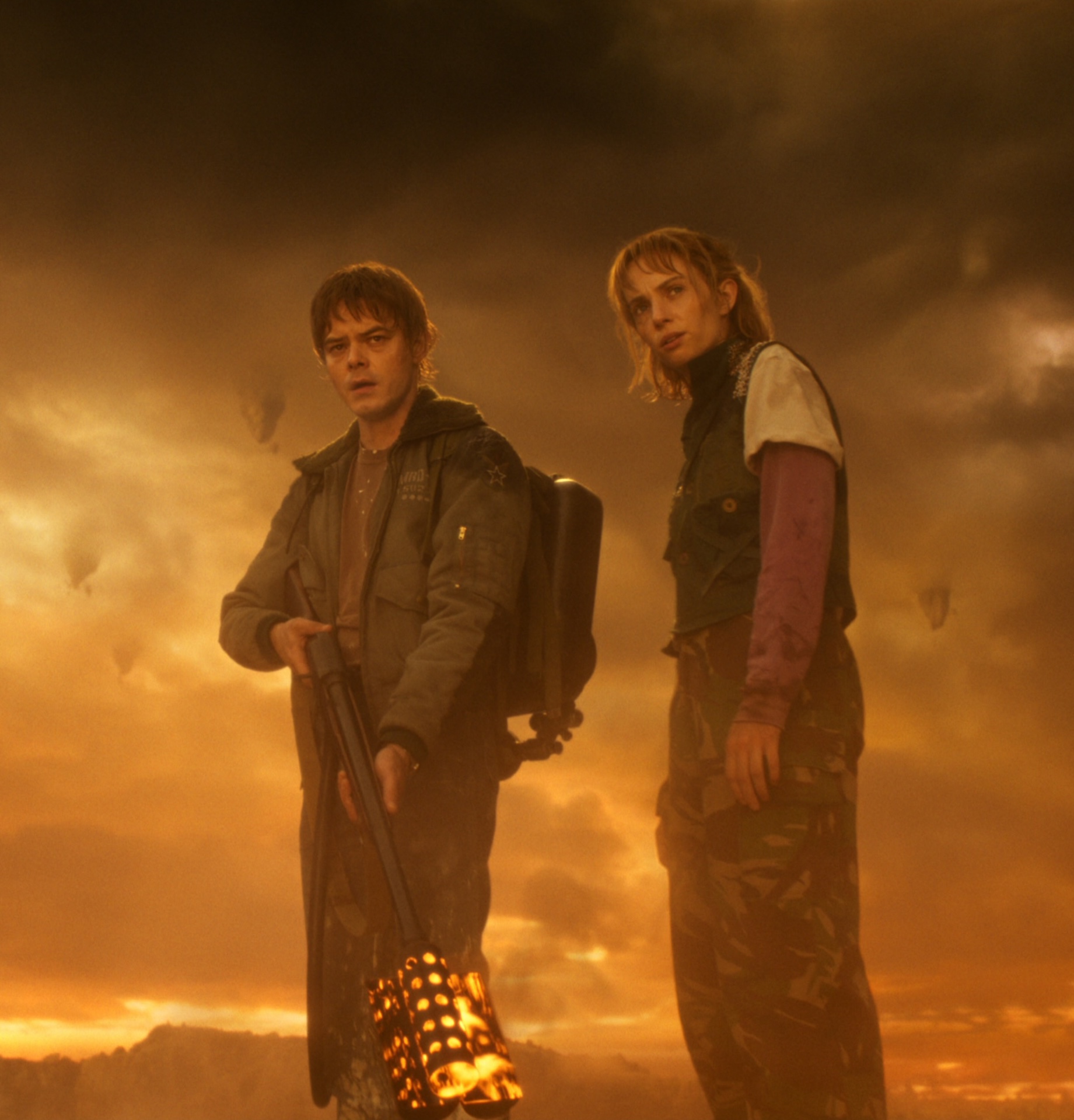
And don’t get me started on Eleven versus the kaiju Mind Flayer: she smashes the ground like it’s a trampoline and comes out unscathed.
The rest of the gang strolls out of the Upside Down looking like they just left a day spa: hair perfect, skin flawless, not even a sniffle from inhaling interdimensional air or swimming through goop.
Not a single dehydrated eyebrow raised!
Style Over Substance
Let me confess: nobody became a Stranger Things fan just for the action. It was the dialogue, the emotional beats, the moments that tugged at your heartstrings.
Sure, I get the urge to go big: new realms, bigger demons, and plots so wild you wonder how the VFX team kept their sanity.
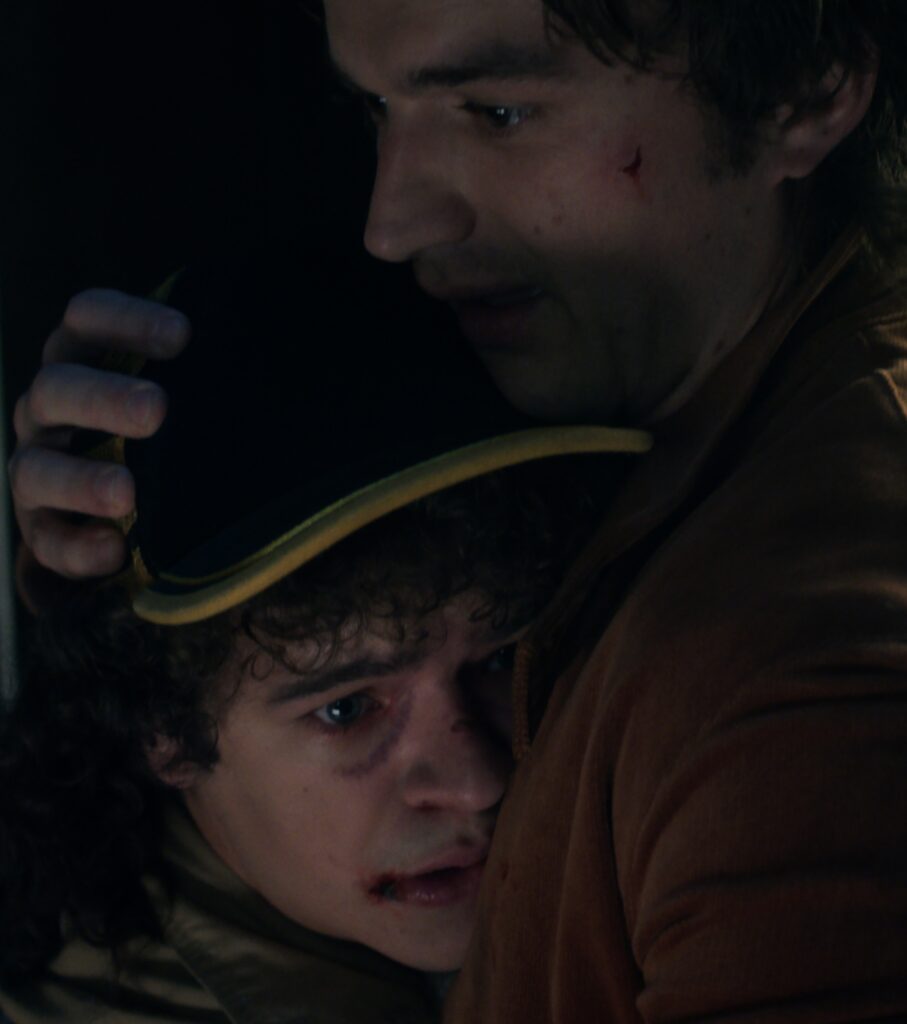
And hey, I’ll give credit where it’s due: the kaiju Mind Flayer was well-rendered.
But what’s the point of all that firepower if it doesn’t serve the story? You roll out a gargantuan monster, and Eleven shreds it like a soggy napkin.
And can someone explain the cave inside its throat? Why did the Abyss look like a low-budget screensaver?
Why were the human characters treated like afterthoughts? The flat color and weak action made it feel like swinging a cardboard cutout.
If you’re going big, go all the way. If not, stick to your bread and butter: creating intense, dialogue-driven scenes that actually land.
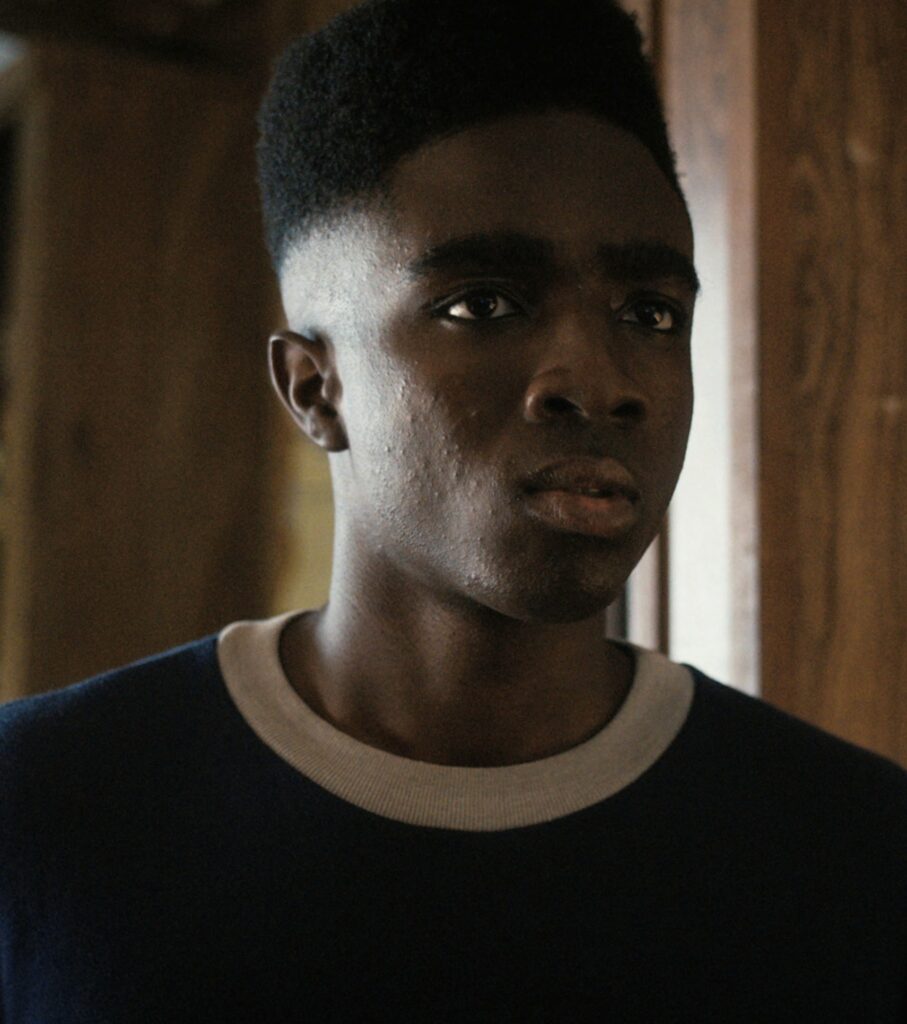
Look at IT: Welcome to Derry for a masterclass in balancing spectacle with character work.
If you want to see how to do action and emotion without leaving your audience hanging, take notes from Derry, not Hawkins.
Endless Talk, No Suspense
The exposition scenes were absolute torture to sit through.
If you haven’t watched the show but see people online griping about the characters overexplaining their plans, trust me… we are not overreacting.
Using a Dungeons & Dragons board to illustrate the monsters and how they function? It was fine, clever, even.
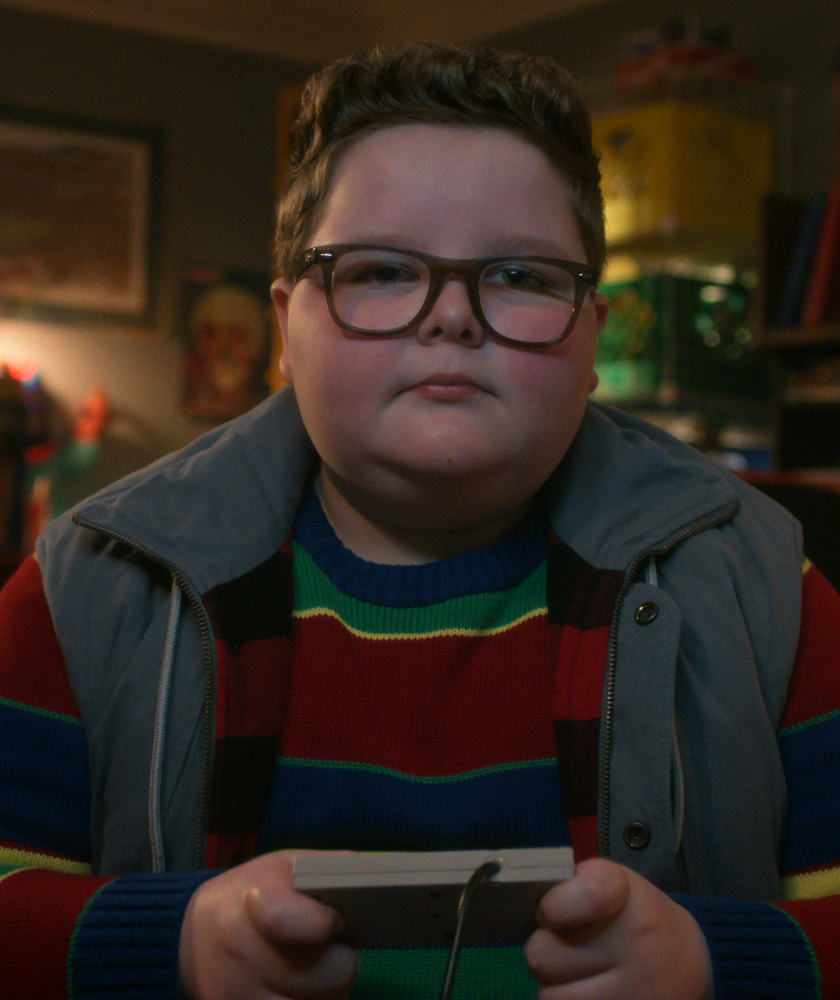
But then they start pulling random objects out of cupboards like they’re hosting a magic show to explain something we already understood.
Steve explains the merging with a Slinky and a torch, right after Dustin did the same thing with a clear board. Seriously?
And don’t get me started on that coming-out scene again. I know some people read the backlash as homophobia, but that’s not it.
The problem is that the monologue was way too long, and then the “or me” twist killed whatever gravitas the moment could’ve had.
A simple, “I am gay,” from Will, maybe followed by a brief conversation, would have landed just fine.
At this point, the only thing the show was merging was boredom with frustration.
Plot Threads Left to Spinoffs
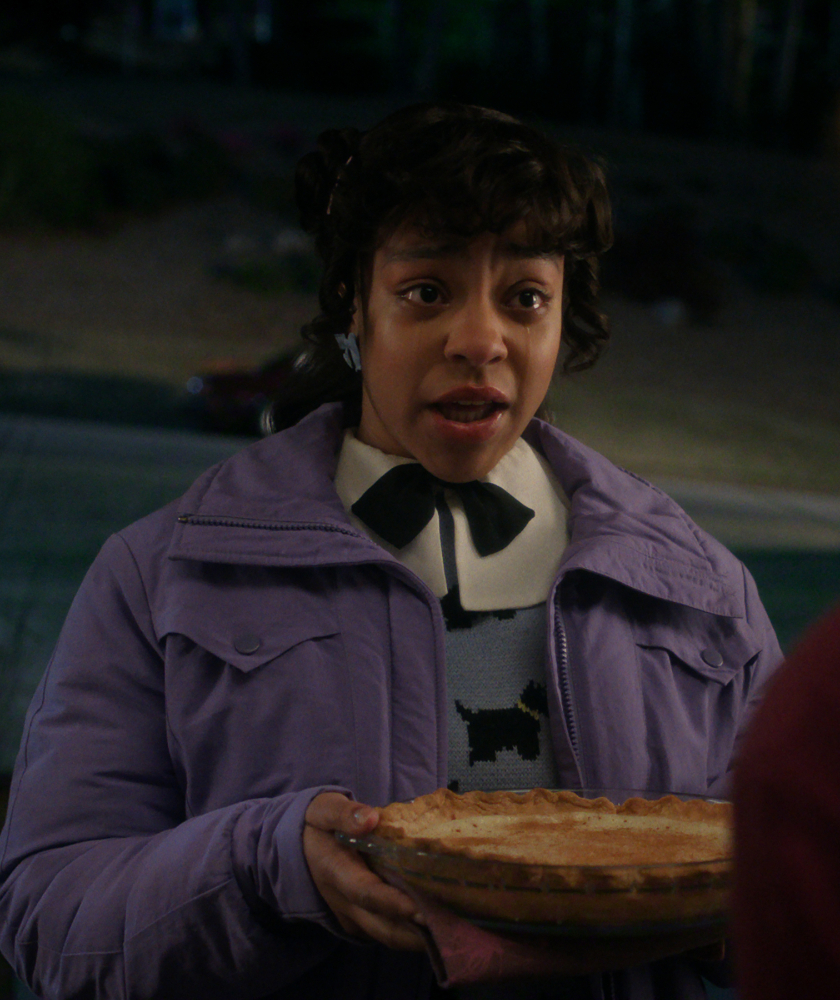
Nobody, and I mean nobody, gets to complain about Return of the King having too many endings.
Scratch that, nobody gets to gripe about any movie having too many endings.
If you do, I swear I’ll sling the 35-minute-long goodbye sequence from Stranger Things Season 5 right at your face and tell you to zip it.
I could’ve lived with that marathon epilogue… if the Duffers hadn’t left so many loose threads dangling in the wind.
There were so many unanswered questions, I almost had to write an entirely separate article just to process them.
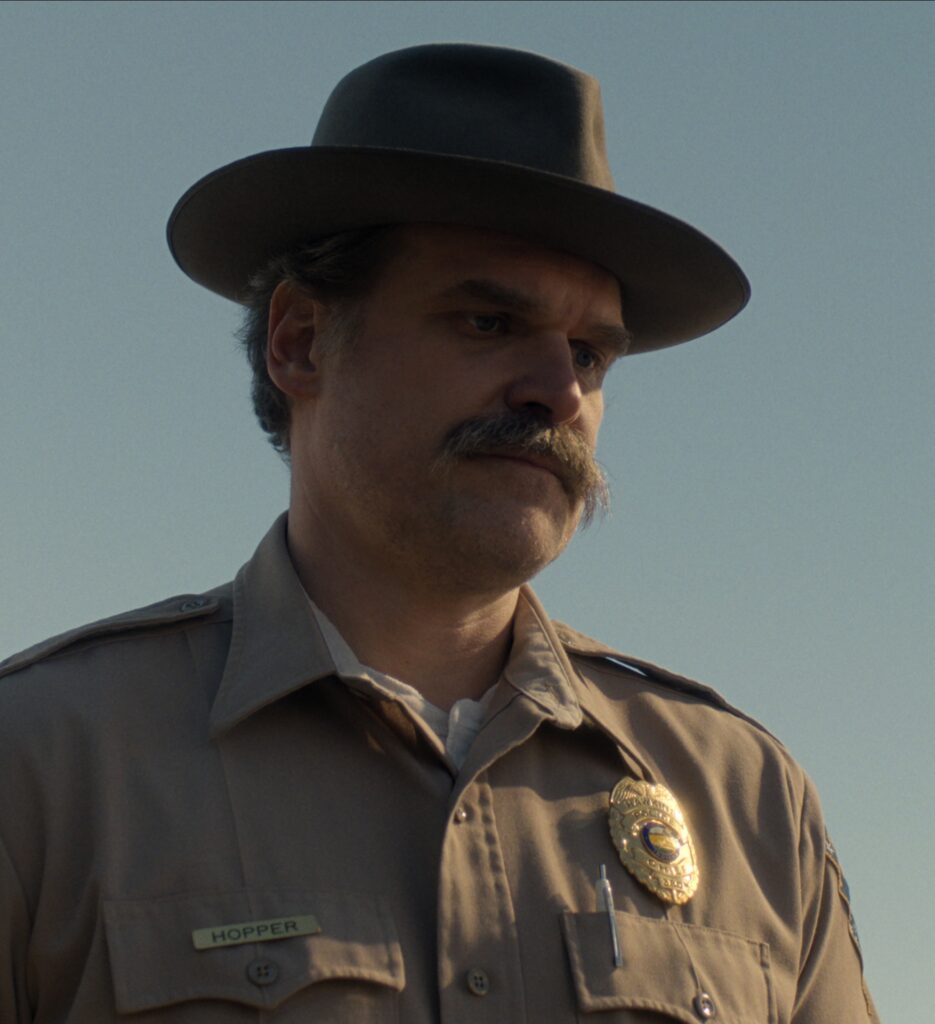
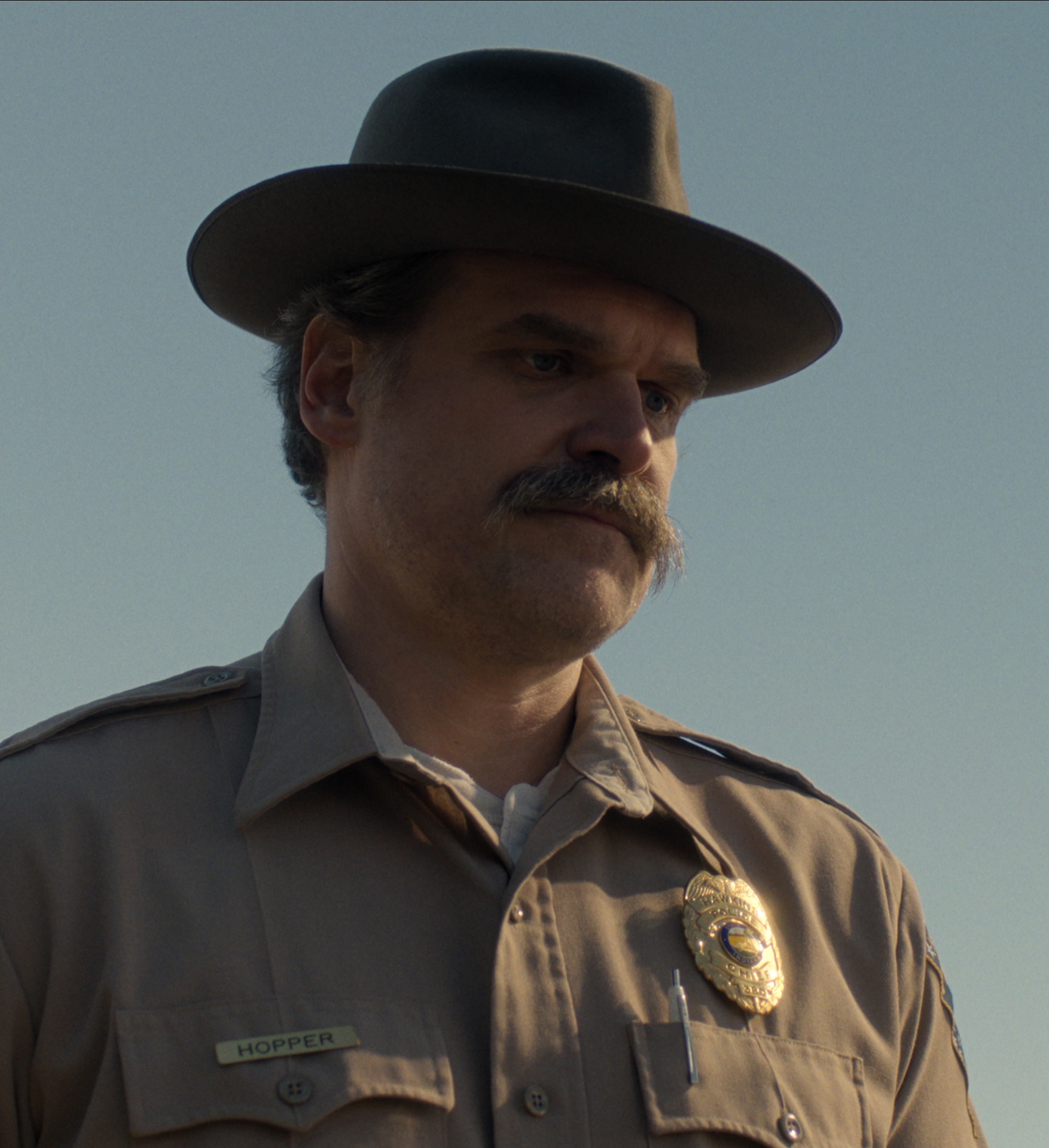
And I’m usually not the type to kvetch about open-ended plots: some ambiguity can be a feature, not a bug, sparking discussion.
But for the first time ever, I found myself muttering, “What was even the point of that?” Yes, yes, I get it, they’re saving material for spinoffs.
But that just means the show feels incomplete. Why make me do homework I never signed up for?
At least Game of Thrones told a full story; I didn’t need House of the Dragon to understand the ending.
Here, a whole villain’s backstory is left in cryptic hints, all because the Duffers want to milk it for a spinoff.
Poor Pacing and Diluted Finale Impact
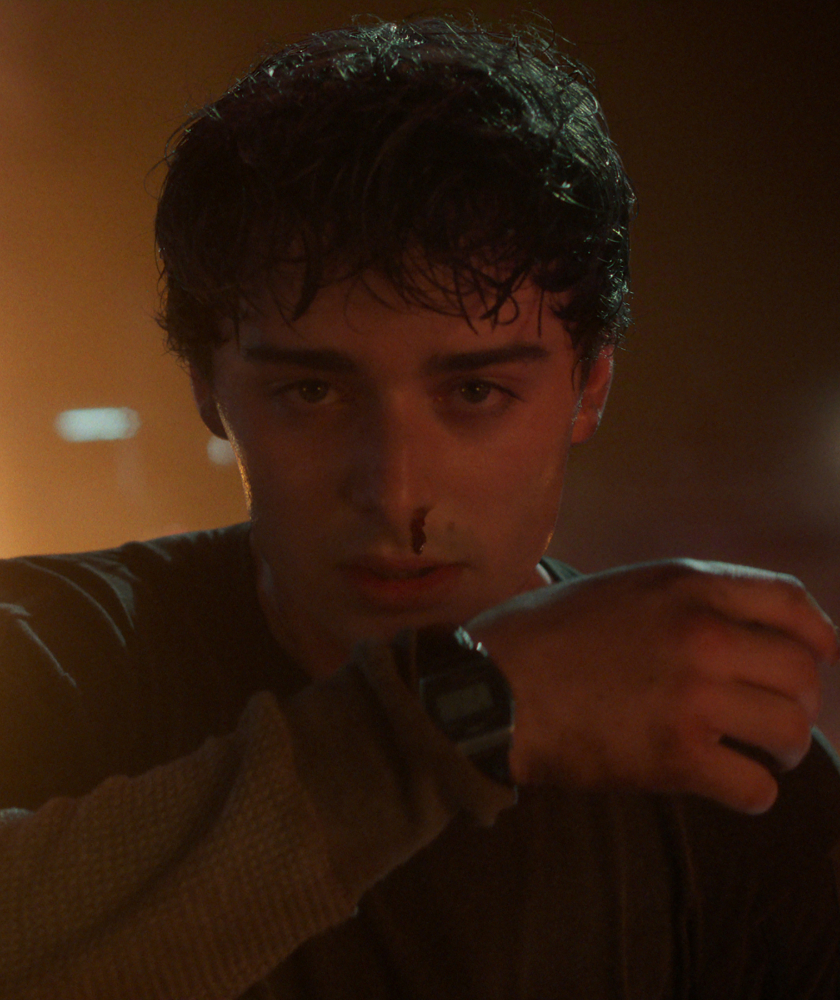
Well, if you sat through the last two seasons of Stranger Things, you’ve officially forfeited the right to complain about movies being “too long.”
That privilege is gone, and the people who made these jumbo episodes are out of luck. If I hear any of you whining about runtime, you’ll be in hot water.
I’m only half kidding after wading through that marathon. How do you justify episodes this bloated and a two-hour finale in which the villain dies halfway through?
The pacing drags, and the characters talk so much, you’d forget a whole dimension is closing in on Hawkins.
A literal world-ending catastrophe is on the clock, and everyone’s acting like they’ve got all the time in the Upside Down.
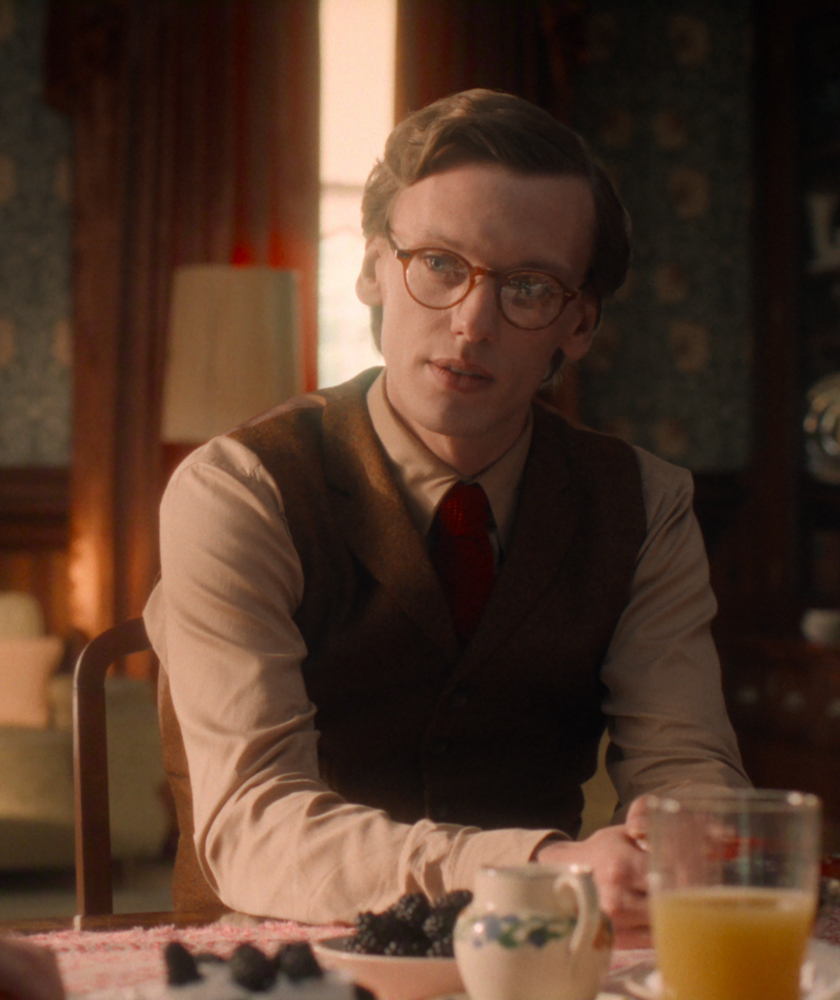
Most shows at least throw in a visual reminder: a ticking clock, a collapsing sky, something to keep the pressure on.
The Duffer Brothers apparently thought reminders were beneath them, and the release strategy didn’t help: Volume 1 spent all the big moments upfront.
By Volume 2, the tank was empty and momentum gone. The second half felt like coasting on fumes, making it hard to stay invested.
And that finale? Either go weekly and let the tension simmer, or drop everything at once and let people binge.
Don’t play the waiting game if there’s nothing worth waiting for. You can’t promise a feast and then serve leftovers.
3. Stellar Cast Wasted on VFX Overload
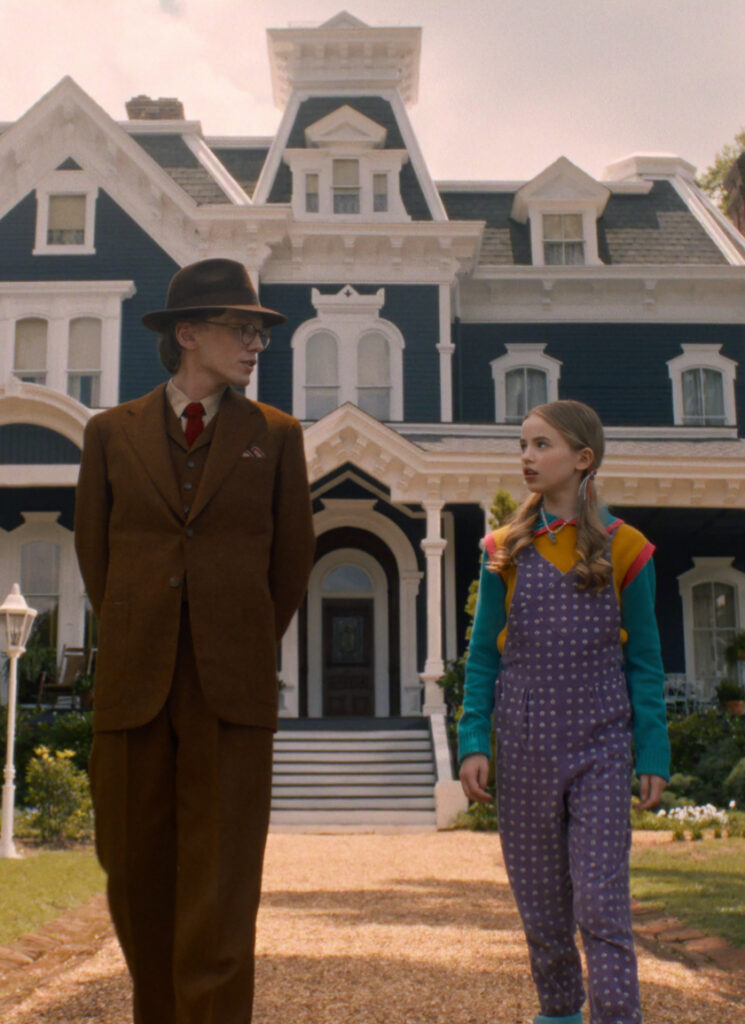
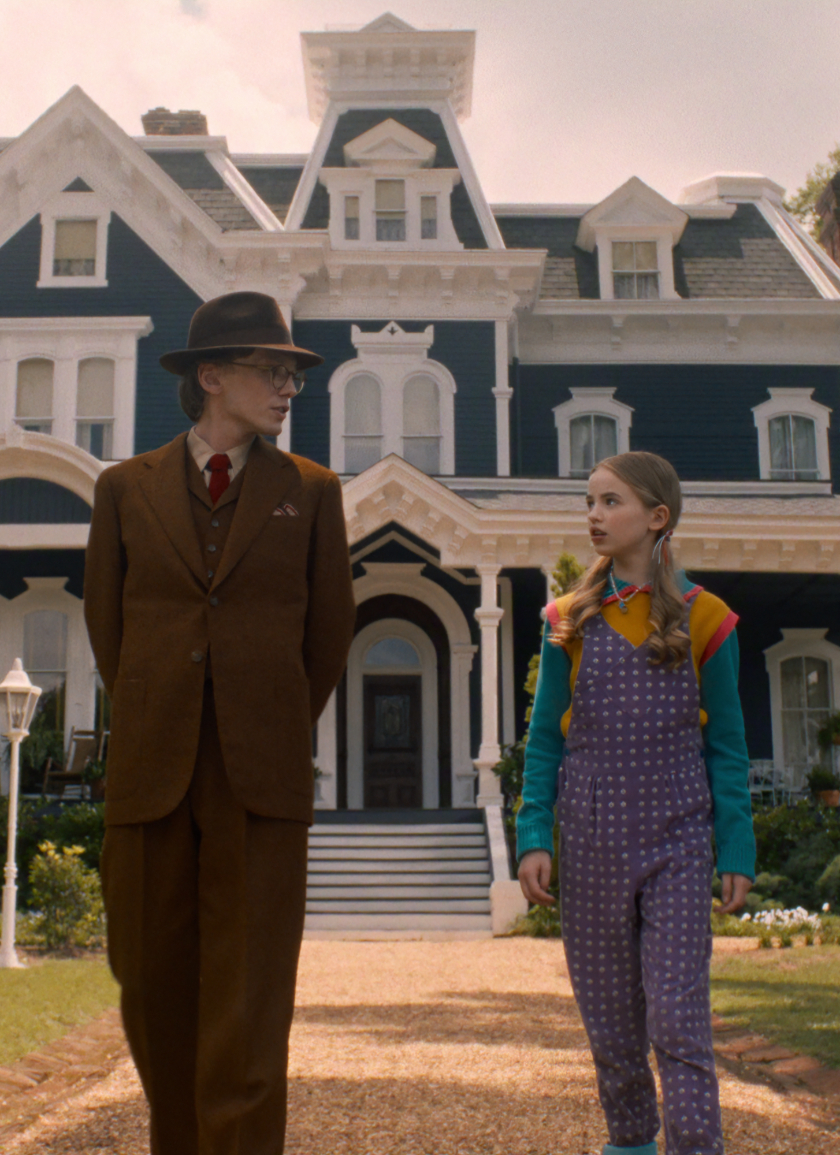
In Stranger Things Seasons 1- 4, everyone was on the same wavelength. The cast knew the assignment, got the tone, and showed up ready to play.
In Stranger Things Season 5, it’s as if someone changed the script and forgot to tell the actors. Suddenly, no one knows which way is up.
Millie Bobby Brown once carried entire scenes on her shoulders with barely a line of dialogue, making it look effortless.
Finn Wolfhard, Gaten Matarazzo, Caleb McLaughlin, and Noah Schnapp had a natural chemistry that felt lived-in, not rehearsed.
The older trio, Charlie Heaton, Joe Keery, and Natalia Dyer, brought a messy, human energy that grounded the show.
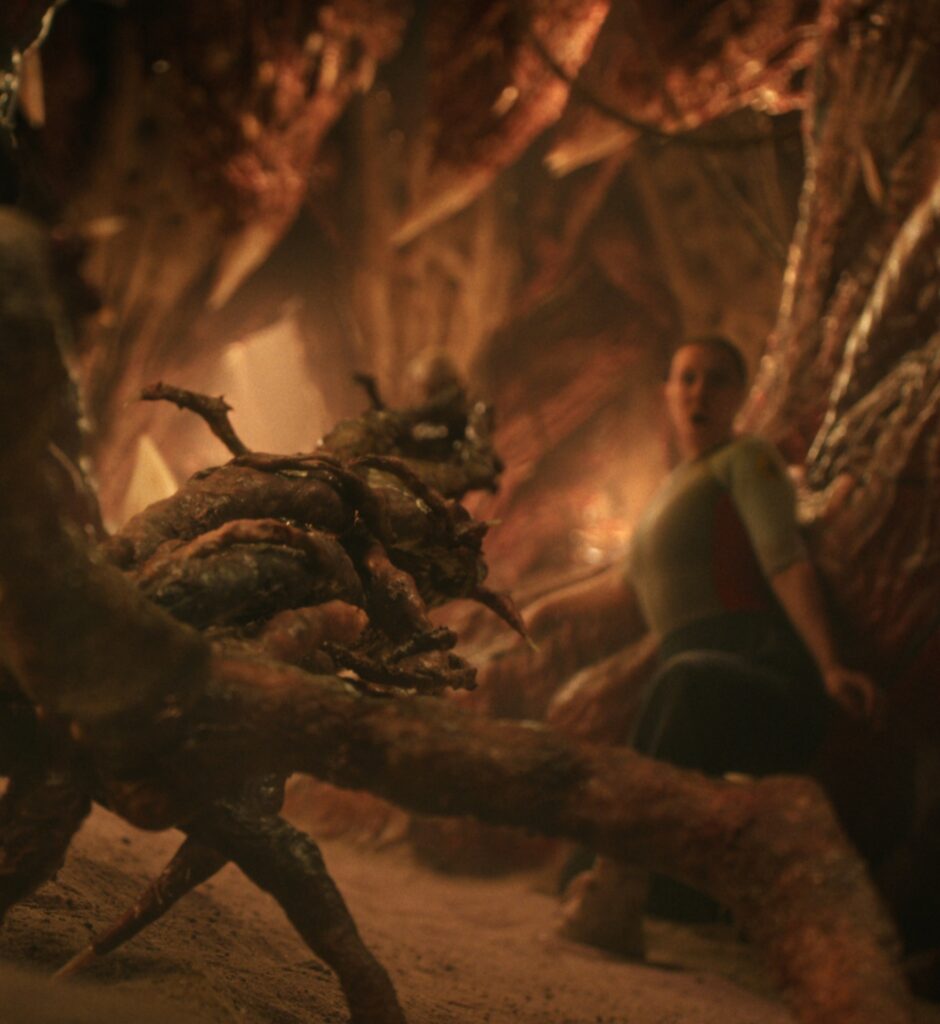
With Sink, Ferguson, Hawke, Montgomery, Modine, Reiser, and Bower, the show was packed to the rafters: talent everywhere, and even the Upside Down felt the heat.
Even Winona Ryder and David Harbour were reliably knocking it out of the park whenever they stepped onscreen.
But in Stranger Things Season 5, the spark is gone. The performances feel tired, like everyone’s running on fumes.
The internet has already latched onto Finn Wolfhard and Millie Bobby Brown’s final interaction as Exhibit A in the show’s creative decline.
And then there are the wigs. Some of them were so distractingly bad that it was hard to focus on what the actors were doing with their faces.
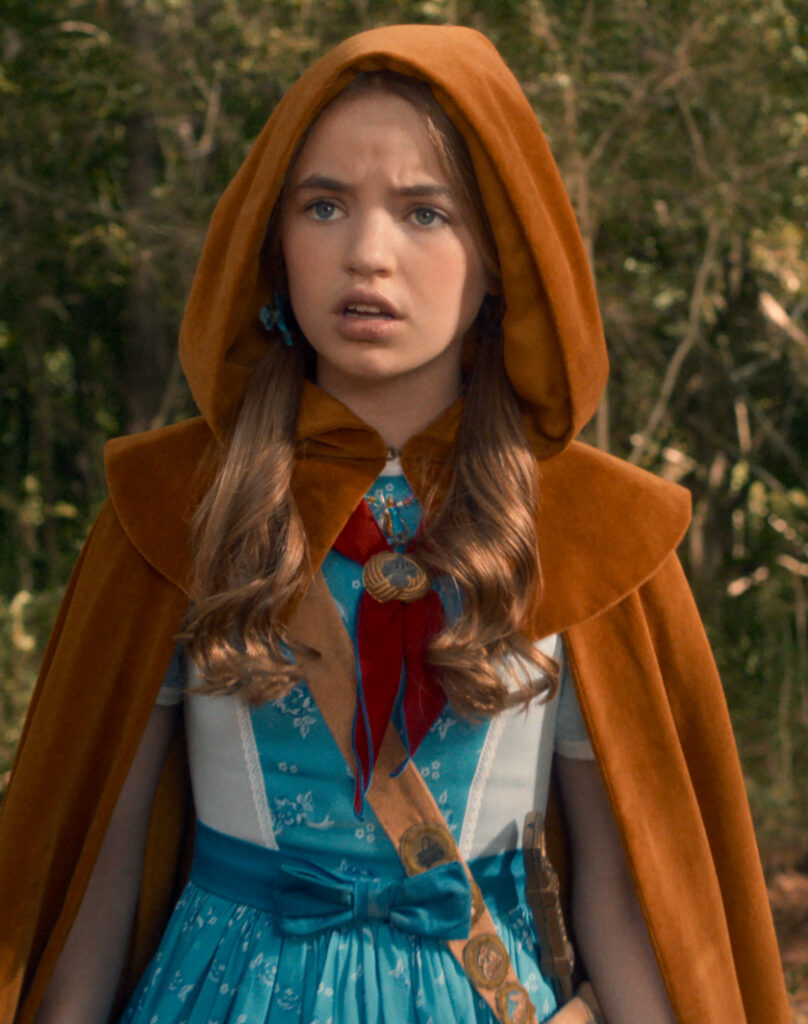
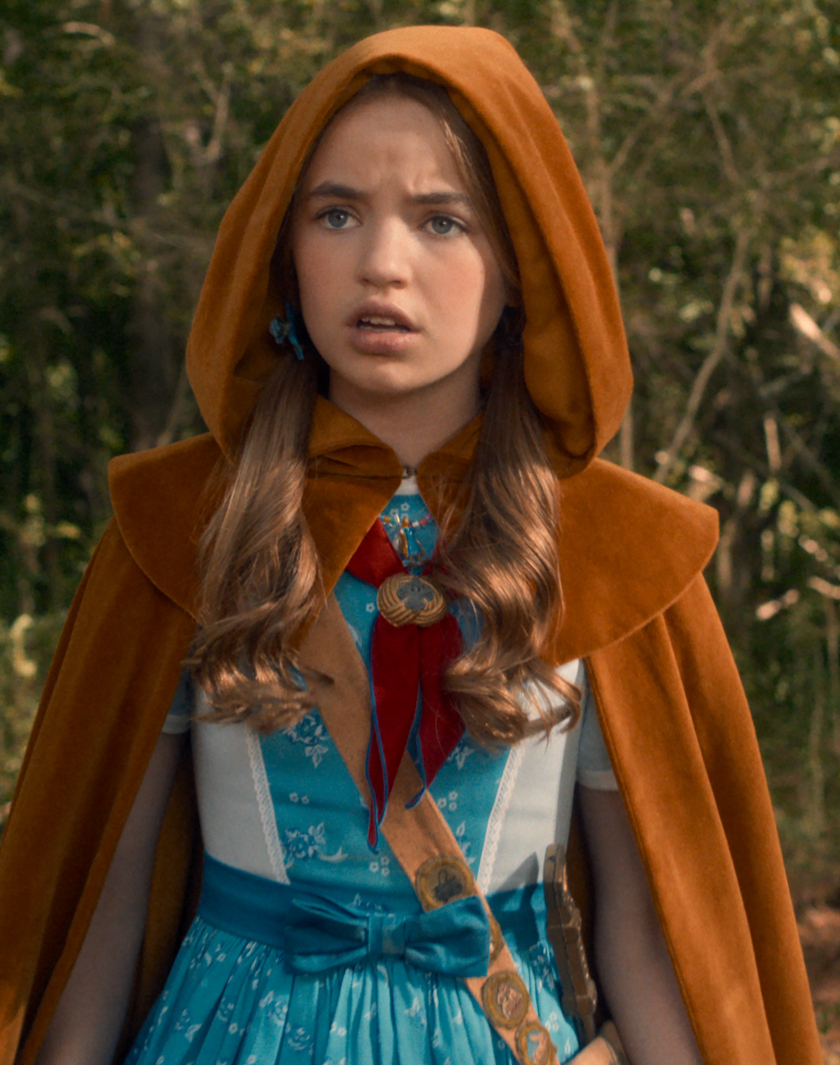
It’s penny-wise, pound-foolish: millions on flashy VFX, while basic things like believable characters fell by the wayside.
Had even a fraction of that budget gone into presentation and performance instead of sensory overload, this final season might have gone down easier.
2. Why Will Stole Eleven’s Spotlight?
Shifting Season 5’s focus to Will after spending four seasons putting Eleven front and center might be one of the strangest storytelling calls the show ever made.
You don’t change horses midstream, especially in the final lap. Still, it’s frustrating to watch Will hog the spotlight while Eleven gets pushed to the sidelines.
That imbalance only hurts more when the performances don’t justify it.
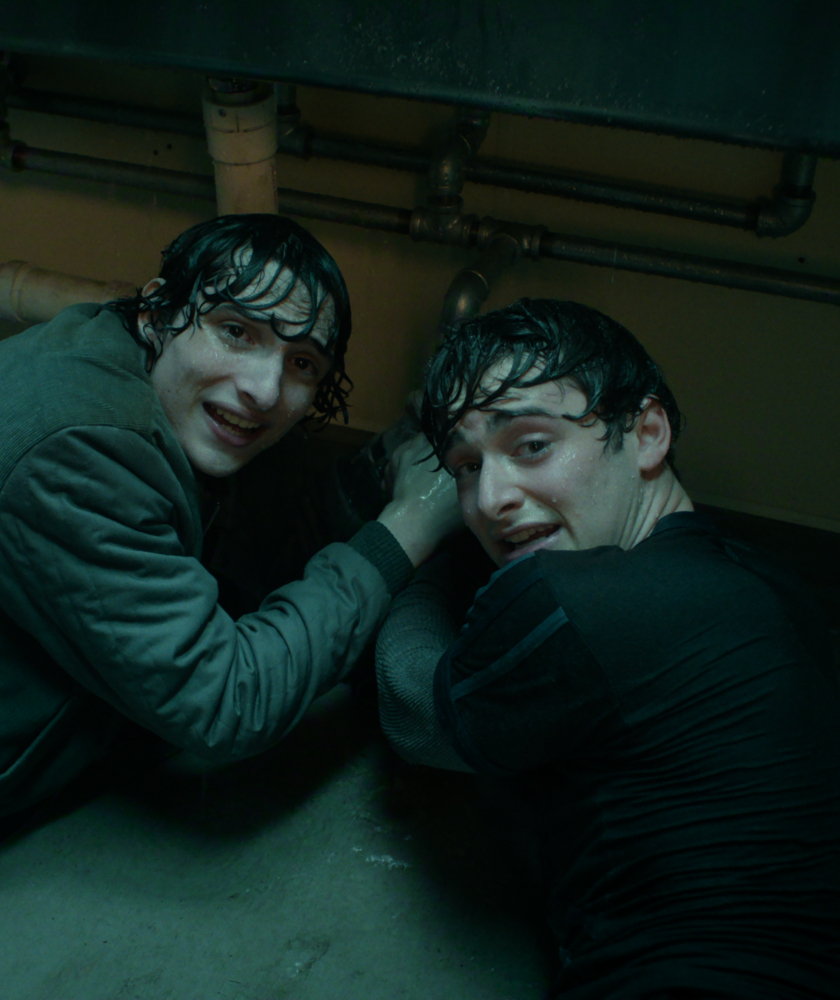
Noah Schnapp, serviceable as he’s been, simply doesn’t bring the same weight as Millie Bobby Brown, and even she felt oddly muted this season.
What stings most is what this choice does to the story’s emotional spine. Stranger Things was, at its core, about Eleven’s trauma and healing after years of abuse.
Season 5 should’ve been her victory lap. Instead, we get a shrug: maybe she’s dead, maybe she’s in Iceland, while Will’s at a bar with some rando. That’s the payoff?
I think Will’s arc deserved care, sure, but not at the cost of sidelining the character whose journey gave the series its heart in the first place.
1. Vecna in Stranger Things Season 5
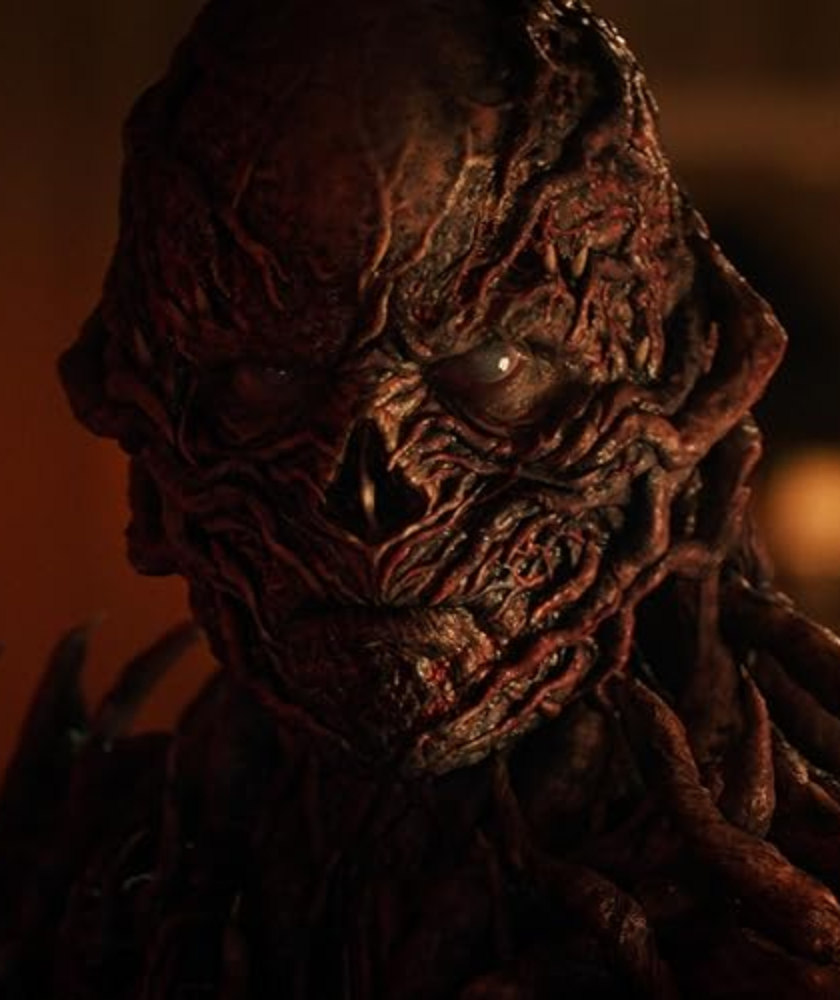
Vecna was supposed to be terrifying, strategic, and central. Instead, he kills random people and fails to execute his plan.
Vecna was little more than a high-budget menace: wiping out random townspeople without ever coming close to his grand plan.
Voldemort still gets clowned for losing to schoolkids, and Vecna earns the same smoke: all that buildup for a microscopic payoff.
What makes it worse is that the show might’ve been better off if Vecna were just evil for evil’s sake.
Monsters scare when mysterious, but the Duffers bogged him down with backstory, rituals, obsessions, and lectures on ‘fixing’ humanity.
He talked a big game… and delivered nothing. His so-called powers? One minute, he’s shrugging off bullets, surviving Mind Flayer impalement, basically unkillable.
The next minute, he’s taken out by a simple axe.
Anyway, those are my two cents on Stranger Things Season 5.
If you saw it differently or felt the same frustration, sound off in the comments.
Do you think the final season deserves redemption, or is Hawkins gone for good?
-
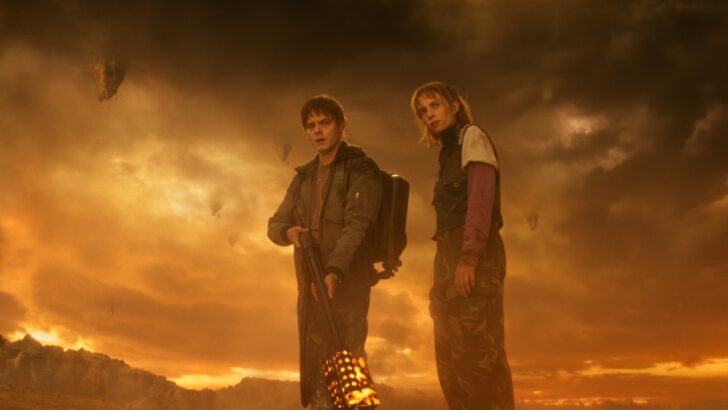
From plot holes to sidelined Eleven, here are nine reasons Stranger Things Season 5 didn’t live up to the hype.
-
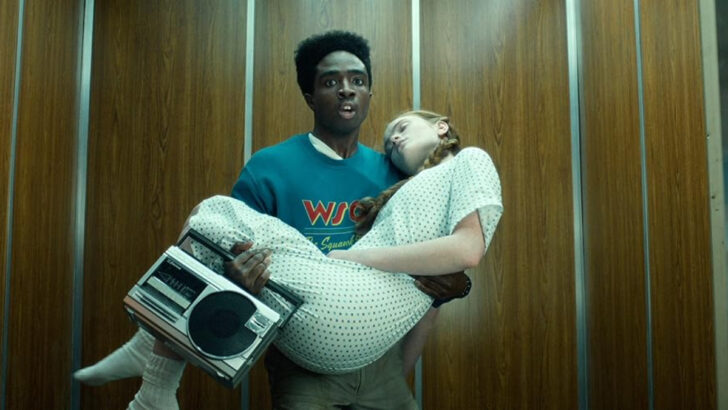
Max made “a deal with God” and ran straight up the hill into Lucas’ arms. It was pure magic. We talk about it ahead of the Stranger Things finale.
-
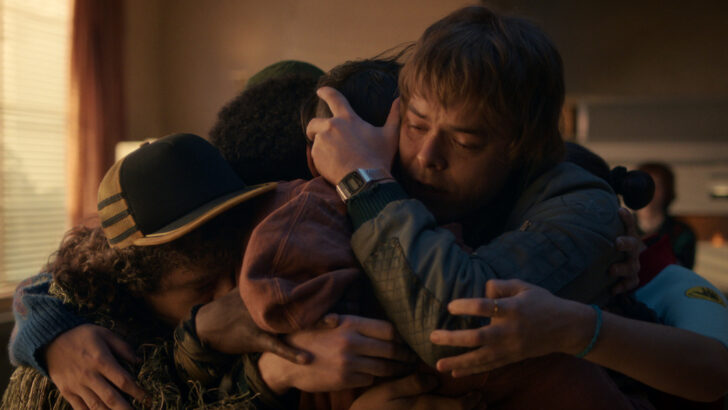
Fans have been waiting for Will Byers to come out, but Stranger Things Season 5 Volume 2 failed to deliver.