
Kristen Stewart has never been particularly interested in playing the Hollywood game, but her recent comments make it clear why her résumé is looking a little different these days. As she’s shifted more of her 2026 movie release focus behind the camera, the Oscar-nominated actor has grown increasingly candid about the way actresses are treated in the industry and how stark the contrast feels when she’s approached as a director instead of a performer.
Stewart recently reflected on her long career, from child actor to Twilight megastar to arthouse favorite, and why stepping behind the camera has fundamentally changed her relationship with the industry. While promoting her directorial debut, The Chronology of Water, the Charlie’s Angels alum didn’t mince words when explaining what pushed her in this direction. As she candidly told The Times:
Actresses get treated like shit, I’ve got to tell you. People think anyone could be an actress, but the first time I sat down to talk about my movie as a director, I thought, ‘Wow, this is a different experience, they are talking to me like I’m somebody with a brain.’
Stewart’s comments land with extra weight given her body of work. She became famous at an age when most people are still figuring out who they are, and spent her teens and early twenties under intense scrutiny as the face of the Twilight franchise. Her co-star Kellen Lutz admitted Twilight fans used to follow him to his hotel room, if that gives you an idea of the type of craziness the cast dealt with. While that role made her one of the most recognizable actors in the world, the actress has said it also limited how she was perceived creatively.
After the franchise ended, she deliberately pivoted toward smaller, riskier projects, earning critical acclaim and an Oscar nomination for Spencer. Still, even with that credibility, Stewart mentioned the default assumption around actresses has remained dismissive. In her experience, performers have gotten treated as vessels rather than collaborators, a dynamic she found especially stark once she crossed into directing.
She also challenged the long-held mythology surrounding directors, arguing that the reverence often afforded to the role is inflated and deeply gendered. According to the Love Lies Bleeding star:
There’s this idea that directors have otherworldly abilities, which is not true. It’s an idea perpetuated by men. Not to sound like I’m complaining all the time, but it’s worse for female actors than male ones — they get treated like puppets, but they are not. Imogen put her whole body and soul into this movie.
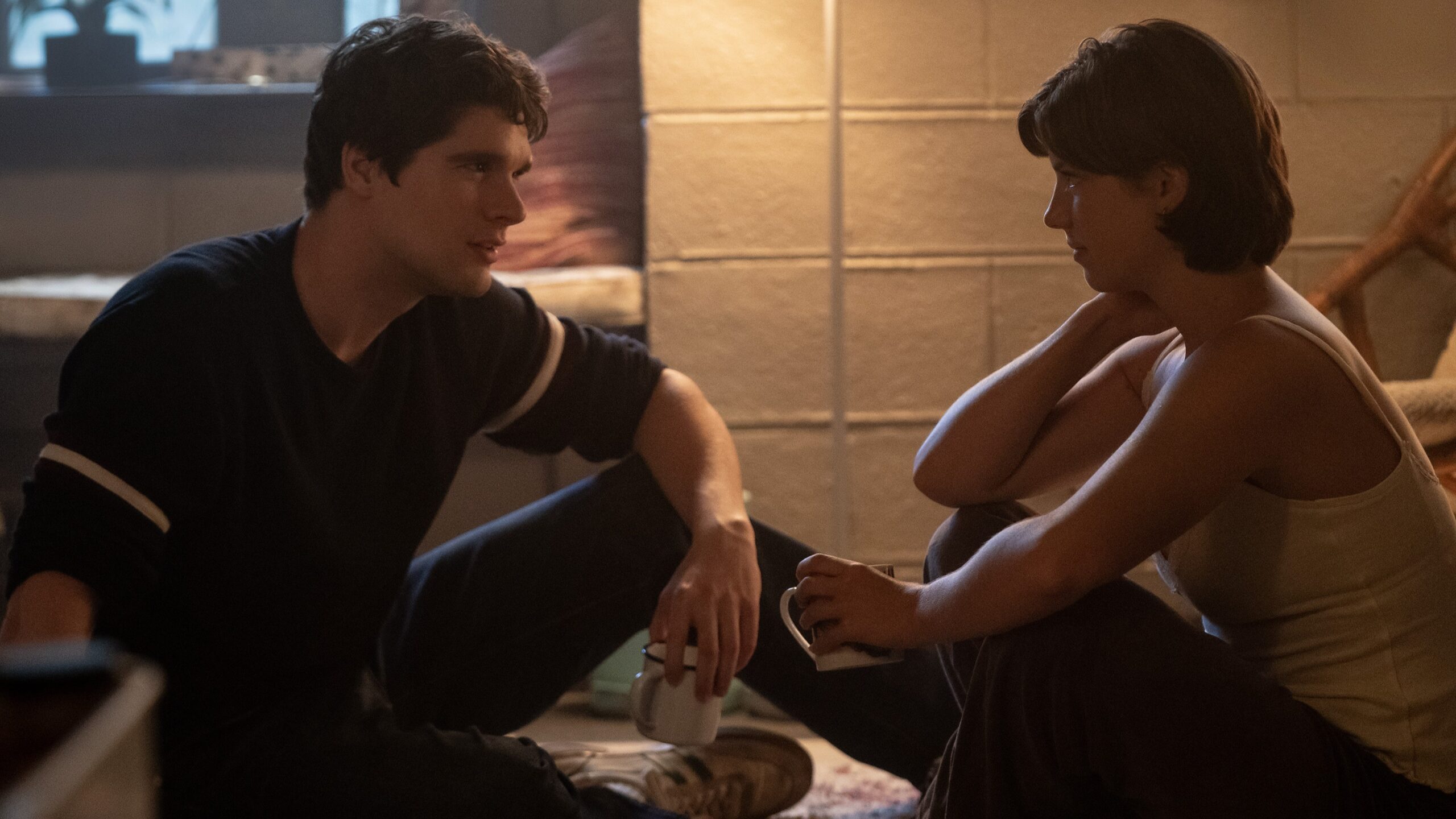
That lead is Imogen Poots, who anchors The Chronology of Water, Stewart’s long-gestating book-to-screen adaptation of Lidia Yuknavitch’s memoir. One of the LGBTQ+ films released this year, and helmed by a female director no less, the project spent nearly eight years making its way to the screen. The film confronts difficult themes head-on, including trauma, sexuality, and bodily autonomy, and the Los Angeles native has described the experience of making it as exhausting, immersive, and deeply rewarding.
That sense of fulfillment may help explain why the Snow White and the Huntsman lead seems more selective about acting roles now, so it will be interesting to keep an eye what’s next. The actress-turned-director’s blunt honesty may not surprise longtime fans, but it does clarify the shift. Her career isn’t slowing down so much as it’s narrowing its focus.
The Chronology of Water began a limited theatrical release in the United States on December 5, 2025, before expanding nationwide on January 9. Be sure to check your local listings for show times.