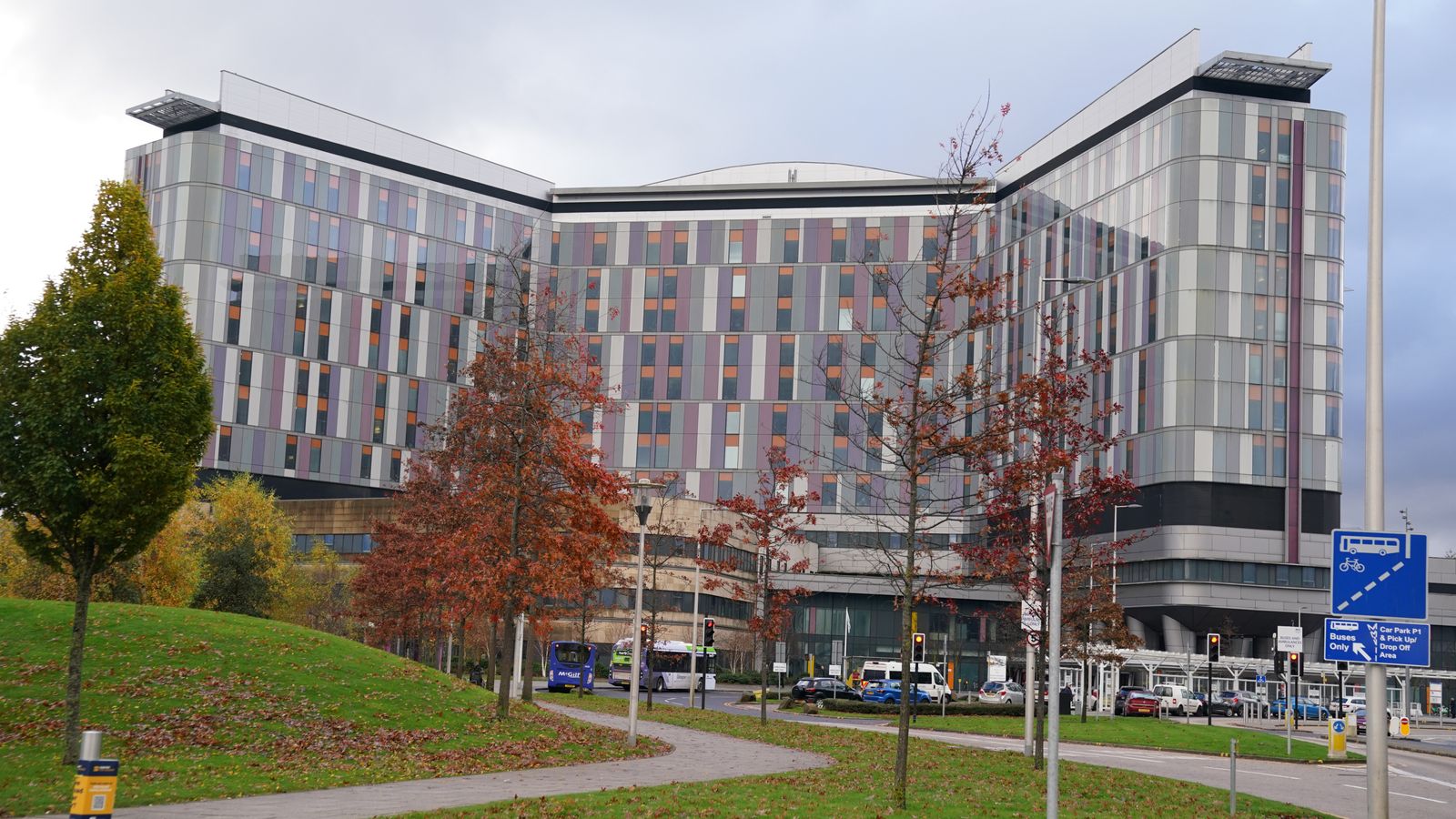

Scotland’s health secretary has assured MSPs that he has “no doubt” the scandal-hit Queen Elizabeth University Hospital is “safe” after being repeatedly questioned during a Holyrood debate.
It comes as the super hospital remains under intense scrutiny amid long-running infection concerns as the Scottish Hospitals Inquiry continues.
In closing submissions earlier in January, NHS Greater Glasgow and Clyde (NHSGGC) admitted, on the balance of probabilities, that there was a “causal connection between some infections suffered by patients and the hospital environment, in particular the water system”.
Scottish Labour leader Anas Sarwar tabled a motion in an attempt to have inquiry chairman Lord Brodie consider the political decision-making of the SNP government in the commissioning, construction and opening of the Queen Elizabeth University Hospital (QEUH).
The motion also calls for the immediate full disclosure and preservation of key records held by Scottish government in connection with the hospital’s contaminated water, ventilation system, the “premature opening” of the facility, and subsequent communications relating to the handling of infection.
The motion will be voted on later on Wednesday, and looks set to be passed.
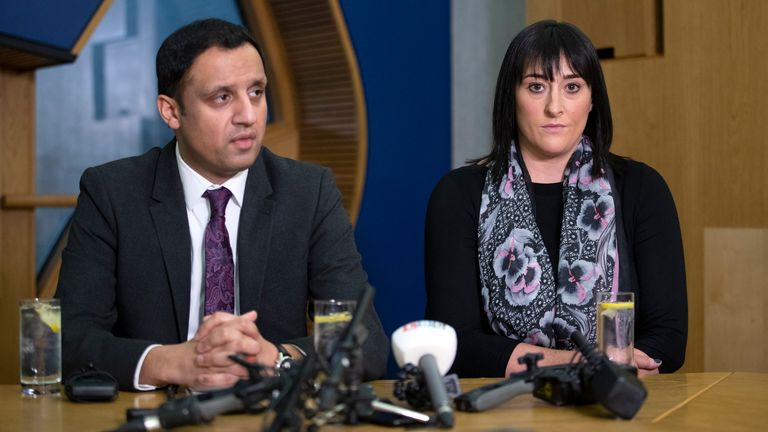
Scottish Labour leader Anas Sarwar with Kimberly Darroch, mother of Milly Main. Pic: PA
Opening the debate, Mr Sarwar paid tribute to the three “inspiring and courageous” whistleblowers – Dr Teresa Inkster, Dr Penelope Redding and Dr Christine Peters.
He also praised the courage of the families who “refused to stay silent”, including Kimberly Darroch, whose daughter Milly Main died after contracting an infection at the flagship hospital.
Mr Sarwar said: “I want to put on record that I recognise the extraordinary work that happens at this hospital every single day, and that many NHS staff go above and beyond.
“But that must be true for every patient and every family, and one failure is one too many.
“But this is not simply one failure. This is, without question, the biggest scandal in the history of this Scottish parliament.”
After being repeatedly asked by MSPs if the QEUH is currently safe for patients, Health Secretary Neil Gray eventually said: “I have no doubt that the hospital is safe.”
The QEUH opened in 2015. At the time, Nicola Sturgeon was first minister, John Swinney was deputy first minister and finance secretary, and Shona Robison was health secretary.
Scottish Labour have called for Lord Brodie to reopen the inquiry and question the trio.
The party has also requested information from the SNP on if any emails, texts, letters, documents and other records from this time, including relevant WhatsApps and other messages, have been deleted.
Read more:
Is this one of the UK’s biggest hospital scandals?
Families call for health board bosses to ‘face a reckoning’
Mr Sarwar said: “Nicola Sturgeon, John Swinney and Shona Robison have not given testimony at the inquiry, and have not been cross-examined. Without that, we will never have the full picture of what happened.
“And there’s a further risk, presiding officer, if political decision-making is not examined, ministers will attempt to use the final report of the inquiry as proof that the problems were contained entirely within the health board and could not have been prevented by government intervention.
“That claim cannot be allowed to stand without proper scrutiny.”
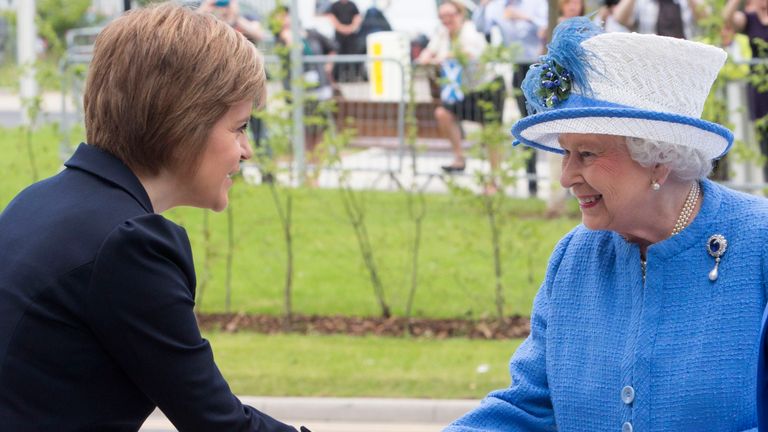
Nicola Sturgeon and Queen Elizabeth during the official opening of the QEUH in 2015. Pic: PA
During First Minister’s Questions last week, John Swinney said his government had shared all relevant evidence that addresses the terms of reference of the inquiry.
However, he said he would be “happy to release” further documents if required, “subject to any appropriate redactions”.
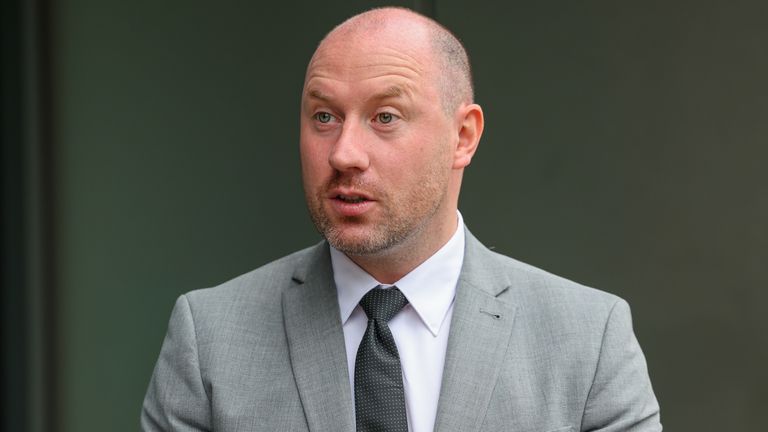
Health Secretary Neil Gray. Pic: PA
Responding to the debate motion, Mr Gray said instructing the inquiry to investigate political decisions would breach the law.
The health secretary said he understood the motivation behind Mr Sarwar’s motion, but added: “When something goes badly wrong in a project of this scale and significance, it is entirely reasonable to want every possible line of responsibility examined.
“However, while I recognise the concern that underpins the motion, I cannot support it because it would be incompatible with the legal framework that governs this inquiry.
“All statutory public inquiries in Scotland operate under the Inquiries Act, which was passed by this parliament. That act exists to protect the independence, integrity and credibility of inquiries.
“It gives inquiry chairs powerful legal tools, the power to compel witnesses, to require the production of documents, to take evidence on oath and to determine what evidence is relevant to their terms of reference.
“Those powers are not held by ministers, they are held by the independent inquiry chair.
“Any member seeking to support the motion’s attempt to influence the action of the chair is calling for the government to act in a manner incompatible with that legislation which, of course, presiding officer, we cannot do.”