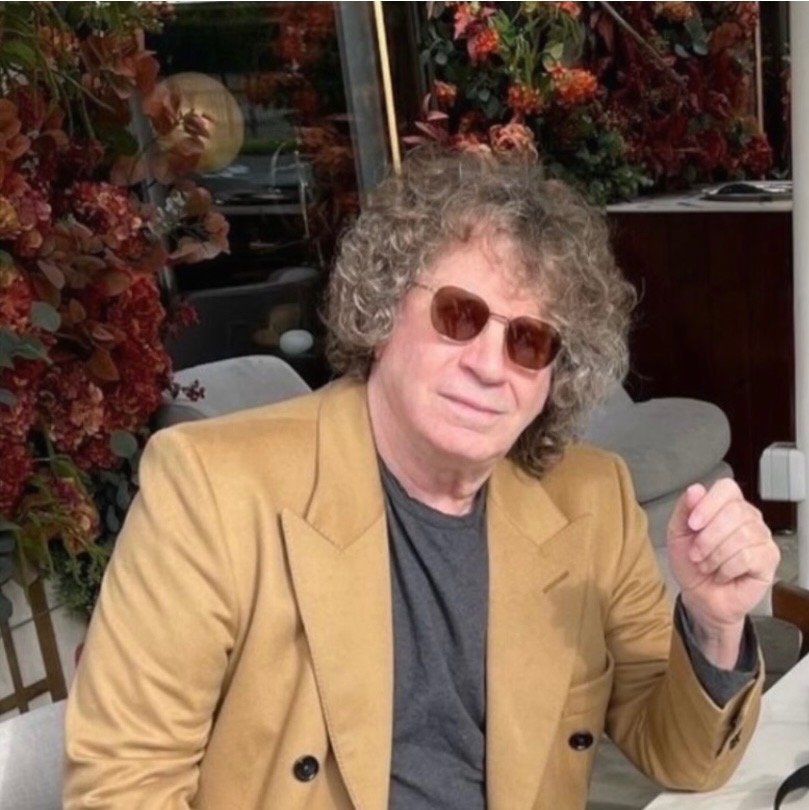
Few careers in modern music travel a path as unique and cinematic as that of Randy Edelman. From the vibrant stages of London in the early years of his career to the legendary concert halls of New York decades later, Edelman’s journey has bridged pop songwriting, film scoring, and intimate storytelling performances that celebrate the music behind some of Hollywood’s most memorable films.
Edelman first emerged as a singer-songwriter in the late 1960s and early 1970s, performing in London during a time when the city was a center of musical innovation. His melodic sensibility and theatrical storytelling quickly brought him to prestigious venues such as the London Palladium, the celebrated Royal Festival Hall, and the historic Theatre Royal Drury Lane. These performances coincided with the release of his early albums, including Prime Cuts and Concrete and Clay, which introduced audiences to a songwriter whose music blended pop, orchestral flourishes, and a distinctly cinematic emotional sweep. Those early concerts laid the foundation for a career that would soon expand far beyond the stage.
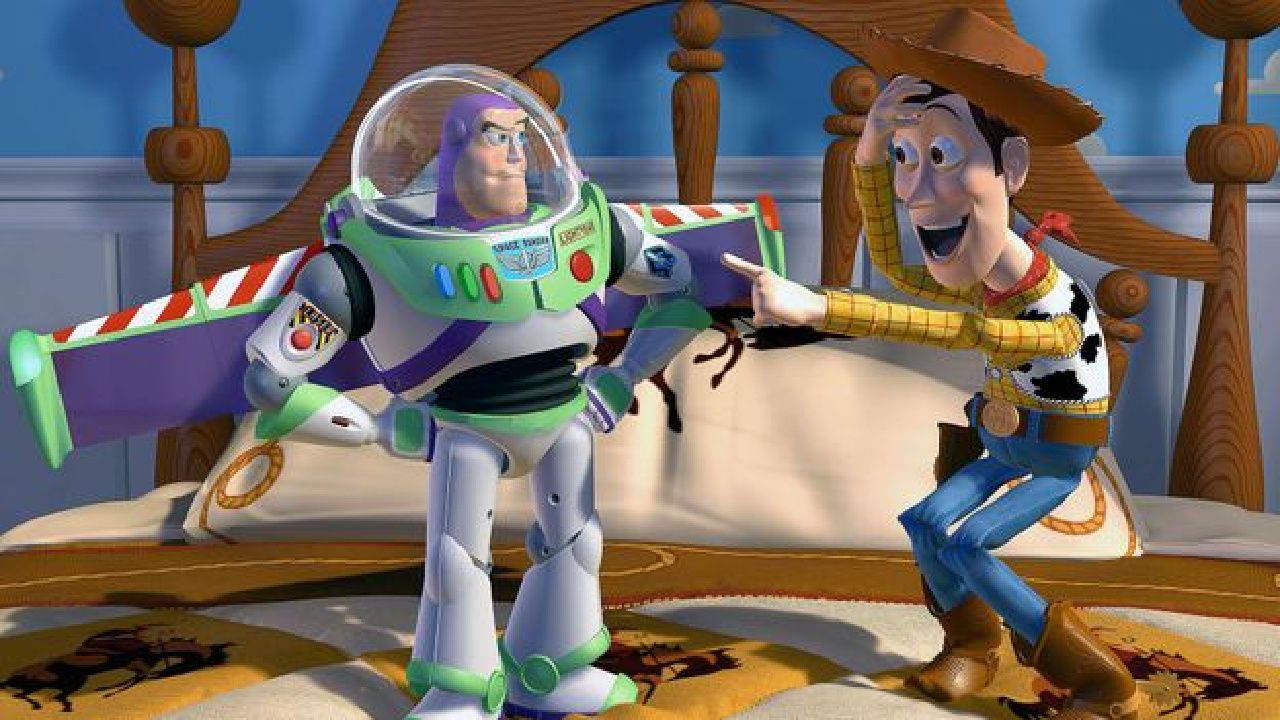
By the 1980s Edelman had moved into film composition, where he would become one of Hollywood’s most recognizable musical voices. Over the next several decades he created scores for films that became cultural landmarks, including The Mask, Kindergarten Cop, Gettysburg, and Dragonheart. His music became known for its soaring melodies and emotional immediacy, capable of carrying audiences through comedy, drama, and epic storytelling alike. Though film scoring became the central focus of his career, Edelman never lost his connection to performing live, occasionally appearing at songwriter events and composer showcases where he shared the stories behind the music that had become part of cinematic history.
In addition to his work as a pianist and storyteller, Randy Edelman has also stepped onto the podium as a conductor, bringing his own film scores to life with orchestras in special concert presentations around the world. One of the most memorable chapters of these appearances took place in Spain, where Edelman conducted orchestras performing suites from his celebrated film scores before enthusiastic audiences of film-music lovers. These concerts allowed him to personally guide the sweeping themes and emotional crescendos from films such as Gettysburg, Dragonheart, and The Mask, shaping the music exactly as he first imagined it for the screen. Standing before a full orchestra, Edelman transformed his cinematic compositions into a living symphonic experience, creating a powerful connection between composer, musicians, and audience. For those in attendance, watching the composer conduct his own music added a rare dimension to the performance, revealing the dramatic scale and orchestral beauty behind melodies that have become part of modern film history.
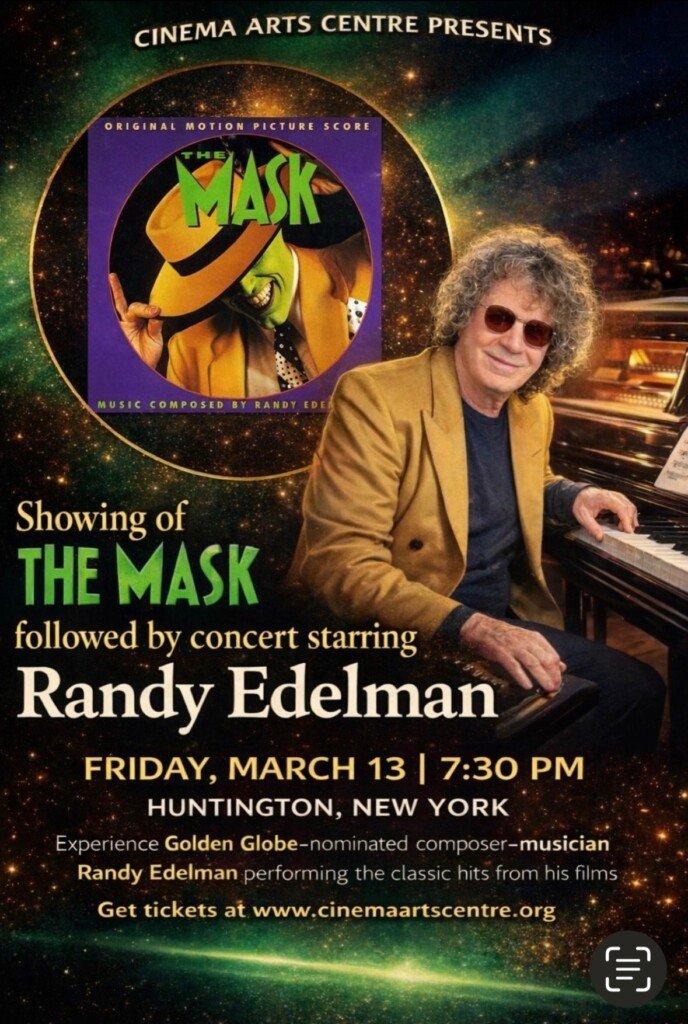
In later years Edelman returned more visibly to the stage, presenting intimate evenings at the piano where he combined performance with storytelling drawn from decades in the entertainment world. New York venues such as Chelsea Table + Stage, City Winery New York, and The Cutting Room became the setting for these unique concerts. Audiences gathered around small tables rather than grand auditoriums, creating a cabaret atmosphere in which Edelman performed themes from his films alongside personal anecdotes about Hollywood, songwriting, and the long road that had taken him from London stages to movie soundtracks heard around the world. The shows often carried titles such as “Around the World in 80 Minutes,” reflecting the journey through his musical catalog and the many chapters of his life in music.
His performances soon expanded again beyond New York. In Massachusetts and the New England region he appeared at venues including the Firehouse Center for the Arts and the historic Regent Theatre, as well as concerts at City Winery Boston. These shows drew film music enthusiasts and longtime fans who had followed his career since the early songwriting years. Across the Atlantic, London audiences welcomed him again at the elegant cabaret venue Crazy Coqs, bringing his story full circle back to the city where his performing career first began.
The modern era of Edelman’s concerts has also included appearances at cultural and philanthropic events in New York, including performances connected to Times Square gatherings and other special programs celebrating music and humanitarian causes. Yet perhaps the most symbolic milestone in his performing journey has been his concerts at the legendary Carnegie Hall, and Lincoln Center where his music has been presented in programs celebrating his life in film and song. The journey that began on the stages of London and in the clubs of New York ultimately reached some of the most revered concert halls in the world.
Today Edelman continues to perform selectively, appearing at intimate venues such as the Aman Jazz Club and special theater engagements where audiences can hear the composer himself interpret the melodies that have accompanied generations of moviegoers. Unlike touring musicians who perform hundreds of shows a year, Edelman’s concerts have always been rare occasions, each one feeling less like a tour stop and more like a personal evening of music and memories.
From the London Palladium to Carnegie Hall, Randy Edelman’s performing life tells the story of a composer who never lost sight of the stage. His music may have traveled across cinema screens around the world, but at the piano, in front of an audience, the journey becomes deeply personal. For those who hear him live, the experience is not simply a concert but a living chronicle of a career that has woven together songwriting, storytelling, and film music into a singular artistic legacy.