
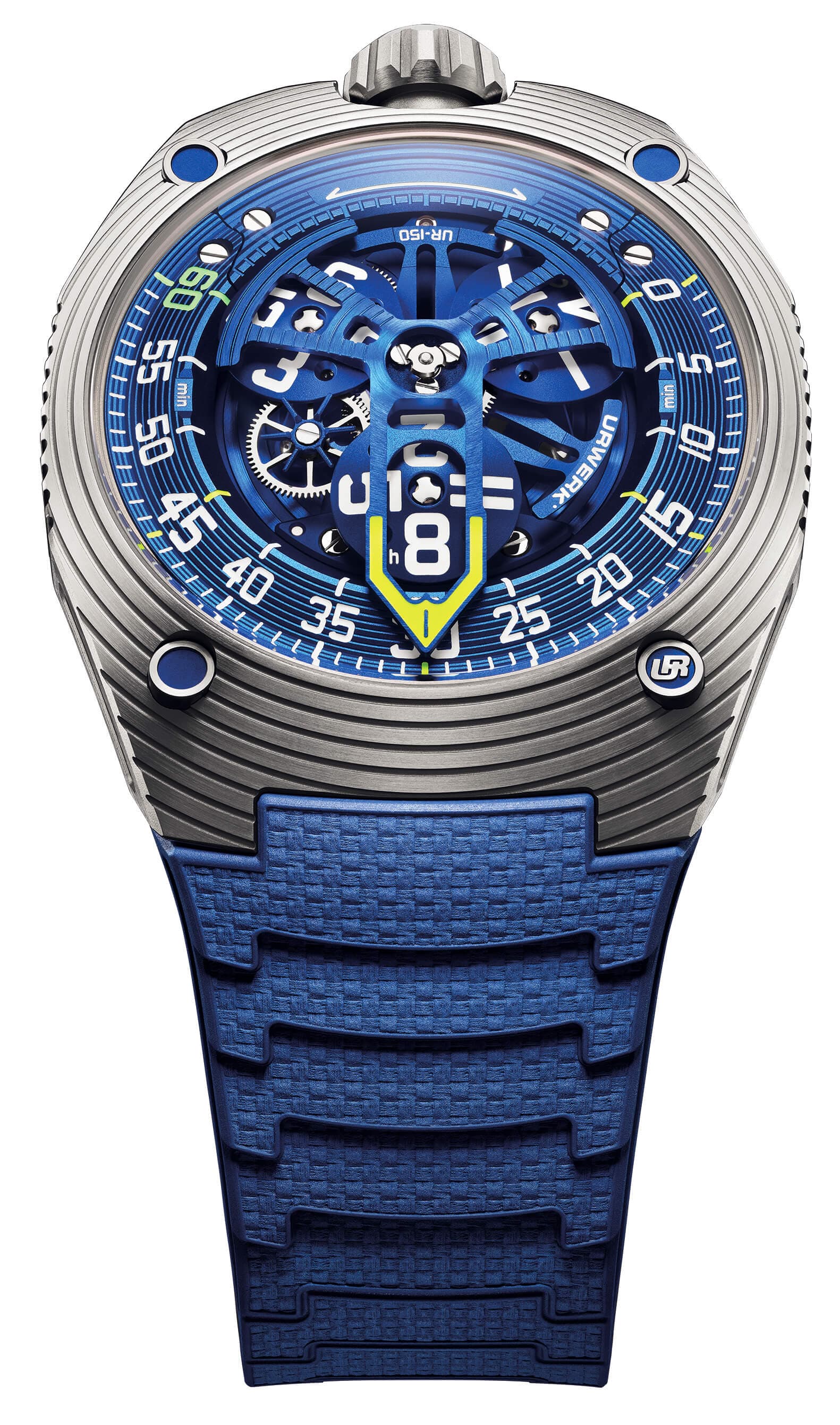
Martin Frei suggests we all take a long, hard look at the cuckoo clock. Far from Harry Lime’s dismissal of the object in The Third Man, Frei – co-founder of artsy and often asymmetric watch brand Urwerk – notes how it is indicative that just because a clock dial may be round, the surround certainly does not have to be. And so with watches.
“Of course, the most obvious reason that most watches are round is because the movement is likely to be round and the hands make a circular motion. It’s logical,” he concedes. That the outer edge of the case – the circumference – is, naturally, at all points equidistant from the centre makes for a built-in sense of balance too; there’s a reason why the circle has been privileged throughout humanity’s existence. Round is also ergonomic – it sits on the wrist; it does not catch on your clothing; it is easier to create a tighter seal to give some water-resistance. But these are mostly historic reasons.
“And the fact is that the watch industry has to keep finding ways to explore the aesthetics of the watch – its form, its time display – to keep it interesting and desirable, or [since nobody needs a watch] eventually the whole business will stop,” Frei contends.
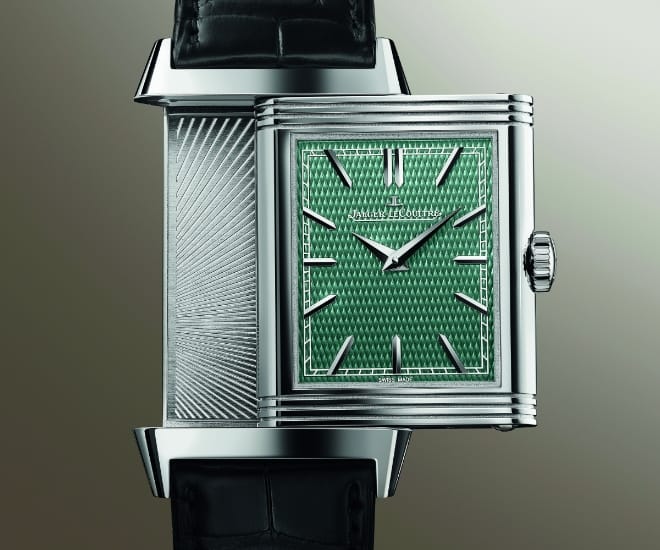
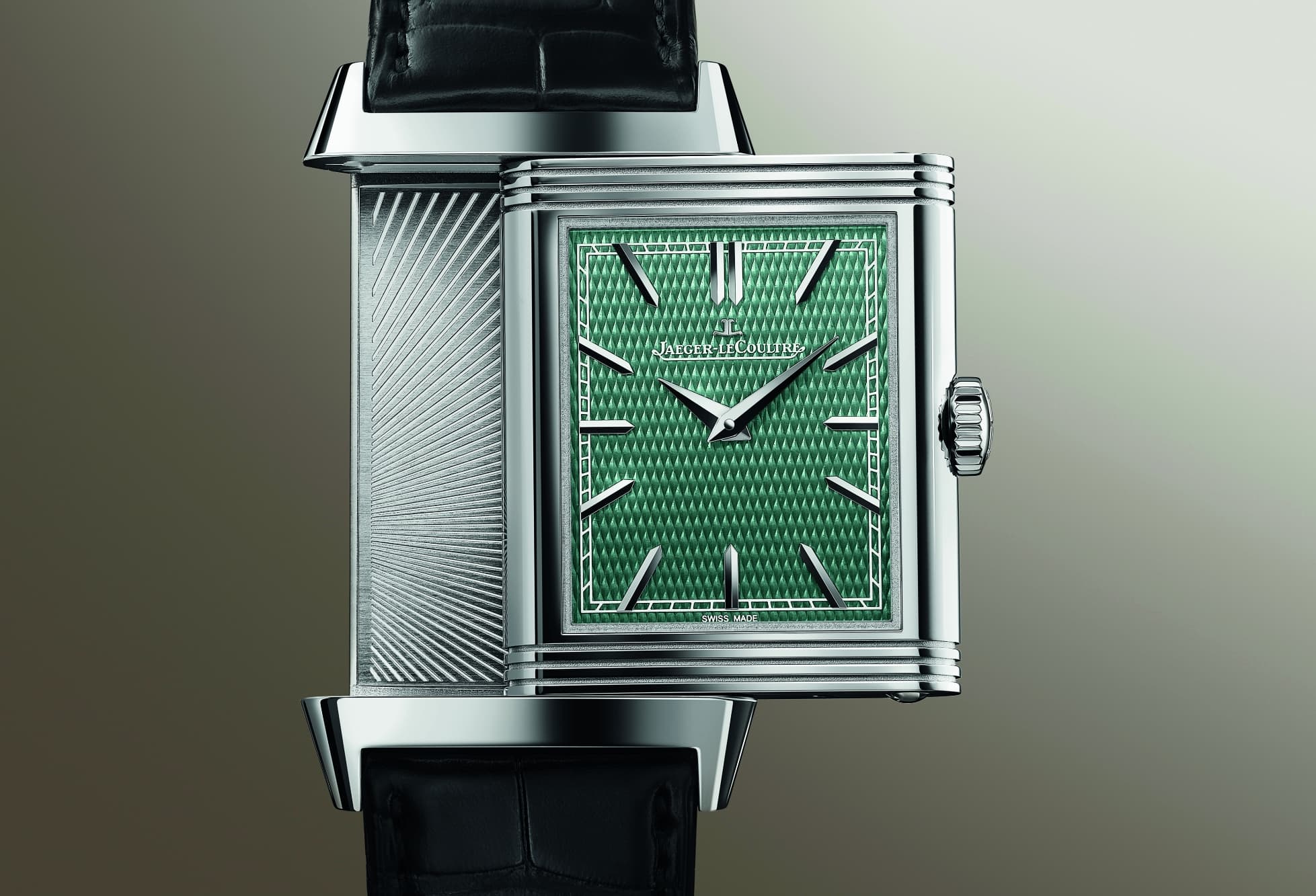
It has, he suggests, become somewhat captured by the dominant idea of the watch as essentially functional and tool- like, echoing the invariably round forms of automotive instrument panels. And he is not wrong – by one estimate 90% of all watches are round. The paradox, as the watch designer Eric Giroud sees it? “That it’s moving away from the round that tends to create distinctive points of reference for the rest of the industry – a new rectangular watch, for example, is ‘just like a Reverso’. That suggests there’s an opportunity there – and more brands are now asking me for non-round forms.”
TIME-TESTED BENCHMARKS
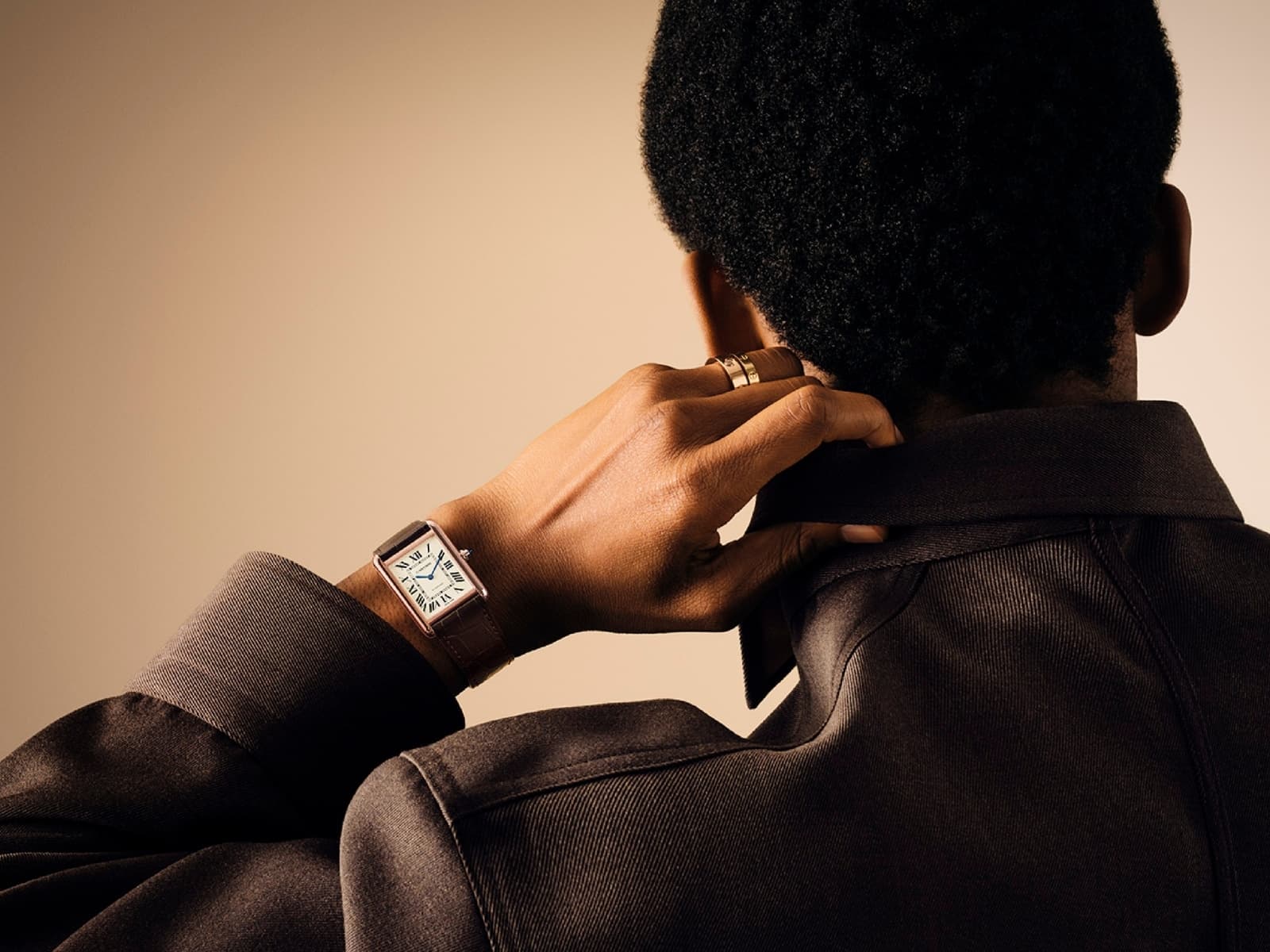
While there are plenty of round watches considered to be iconic – time-tested benchmarks of watch design the likes of the Lange 1, Navitimer, Big Pilot or Calatrava – many of these, the likes of the Submariner, Radiomir or Royal Oak, are what might be described more as only superficially round; and too many others to name – the Monaco, Nautilus, Tank, Crash, King Midas, Ventura and aforementioned Reverso – are anything but. And are not “those outliers of yesterday,” as MB&F founder Maximillian Busser calls them – all the more immediately distinctive as a consequence?
Indeed, it can be tempting to conclude that the golden age of the non-round case – what is sometimes referred to as the form watch, after the French ‘montres de forme’ or the Italian ‘orologio forma’ – has long passed. This may be for five key reasons. Firstly, the early 20th century makers of wristwatches were often jewellers first, or working in collaboration with jewellers. Artistic form preceded function here.
What is often considered to be the first real wristwatch for men was not round, but the rounded square of Cartier’s Santos, for example. Elaborate case design would prove stock-in-trade. Some brands would come to be known for certain shapes – Vacheron Constantin for its cushion case, Patek Philippe for its tonneau case, and so on.
Secondly, while vertical integration is now prized in the watch industry – inexplicably nothing is thought to express quality so much as the words ‘in-house’ – this was still a time when watchmakers worked in tandem with external case-makers whose creative expertise, rather than just their ability to fulfil orders, was valued. Among the more famous were C. Markowski, Eggly & Cie, Antoine Gerlach and, in the US, the likes of the Star Watch Case Company and Schwab & Wuischpard – influential names now largely unknown to watch fans. Heuer’s Monaco, for example, was proposed to the brand by casemaker Piquerez – and Heuer had to be persuaded.
“That’s why, as a company that started out as a casemaker for the likes of Rolex, IWC and Omega [and which continued to operate as such until it closed in 1967], we knew Dennison couldn’t make a return last year with just a basic round shape,” says managing director Stephane Cheikh of its A.L.D. model’s TV dial. Indeed, the company’s designer, Emmanuel Gueit – designer of Audemars Piguet’s Royal Oak Offshore and Rolex’s 1908 collection – would stress the dictum espoused by his father, a watch designer for Piaget. “And that was that to have an iconic watch it has to be identifiable from 10 barstools away,” says Cheikh, “and the only way you can do that is with shape”.
PROGRESSIVE FORM
Historically the watch industry was arguably also more in synch with the wider zeitgeist. It is revealing that most energetic periods of expressive case design were also times of broad and deep cultural shifts that impacted art, science and architecture: the Roaring Twenties, for example, or the post-war technological and consumer booms. Recall also the abstract experimentalism in art of the 1950s, a time when the watch manufacture was not only (or primarily) Swiss either.
An exploration of more arresting case shapes was also afforded by a readiness by major watchmakers to take ideas from external designers. Perhaps the most radical shapes from Patek Philippe, for example, came courtesy of Gilbert Albert. While Albert revived pendant watches – whose lack of tradition might be suggested by their names, the Futuriste, the Television, the Meteorite – he also pushed for less conventional shapes in series production wristwatches. This included the likes of his unisex Asymetrie of 1959, in rhomboid and triangular shapes, which was a “glimpse of the future,” as the company put it. Likewise, Richard Arbib was the man behind Hamilton’s space age Electric watches, while the more subtle Gerald Genta would work the round into a gentle hexagonal or round the edges off squares.
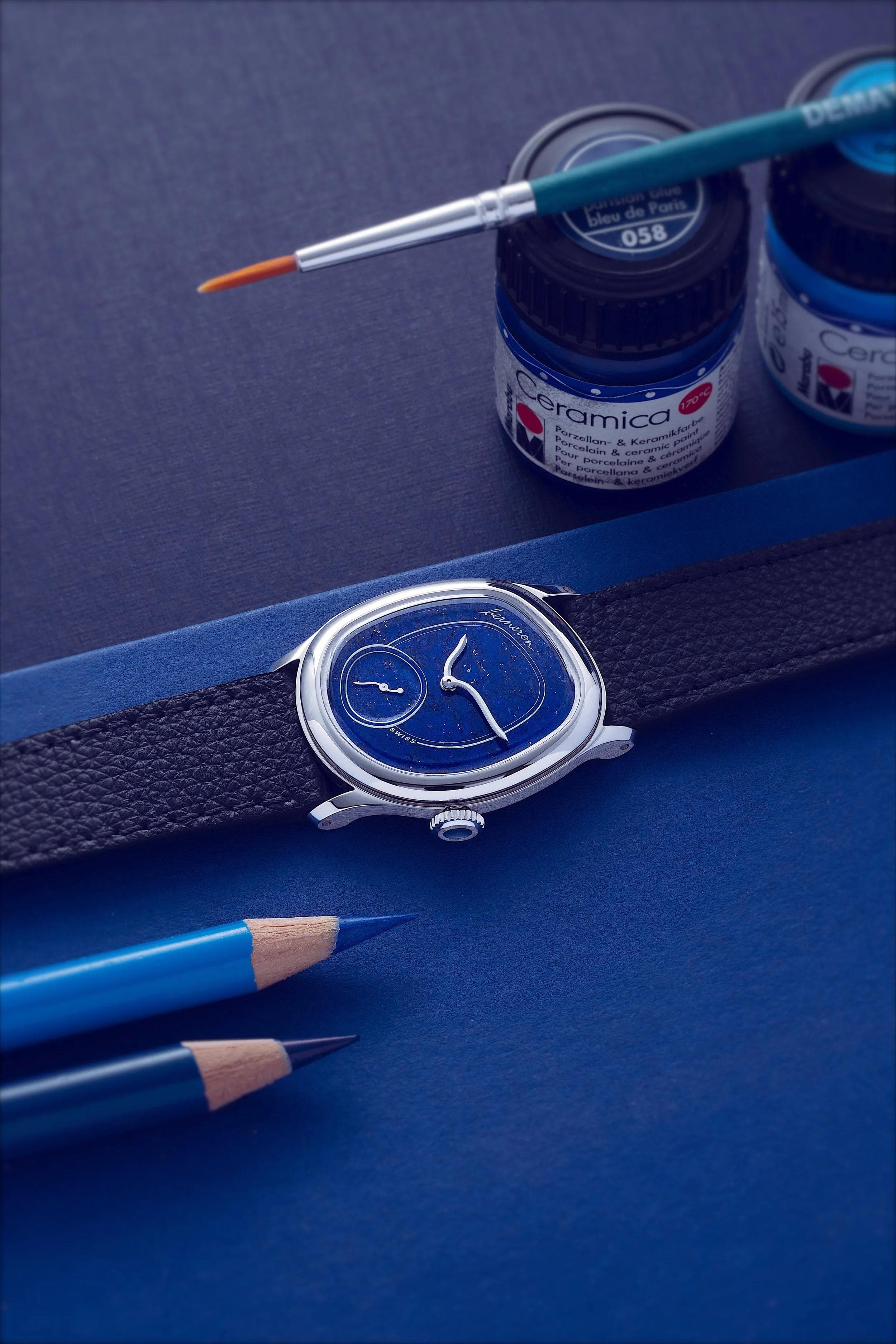
“When Sylvain Berneron launched his artfully wonky Mirage four years ago he felt he’d be lucky if he sold 12 pieces. Now he’s sold that figure many times over and struggles with demand for 100 times what he’s able to make”
It was also a time of different market dynamics. Go back to the 1960s and 1970s – before the Quartz Crisis – and the watch industry comprised many more, much smaller brands, producing watches in smaller quantities, selling enough to make a profit, but not needing to sell so many that risks could not be taken. The many now defunct makers, the likes of Hudson, Waltham and Lip, Lord Nelson, Lucerne and Desotos, produced any number of weird and wonderful case shapes, often built around progressive ways of time display, from linear to mechanical digital. Shape was in such demand that Patek Philippe could parlay its Golden Ellipse of 1968 – said to be the first time a watchmaker instructed a case-maker exactly what it wanted without the latter’s input – into a matching set of accessories, including a lighter and cufflinks.
STANDING OUT
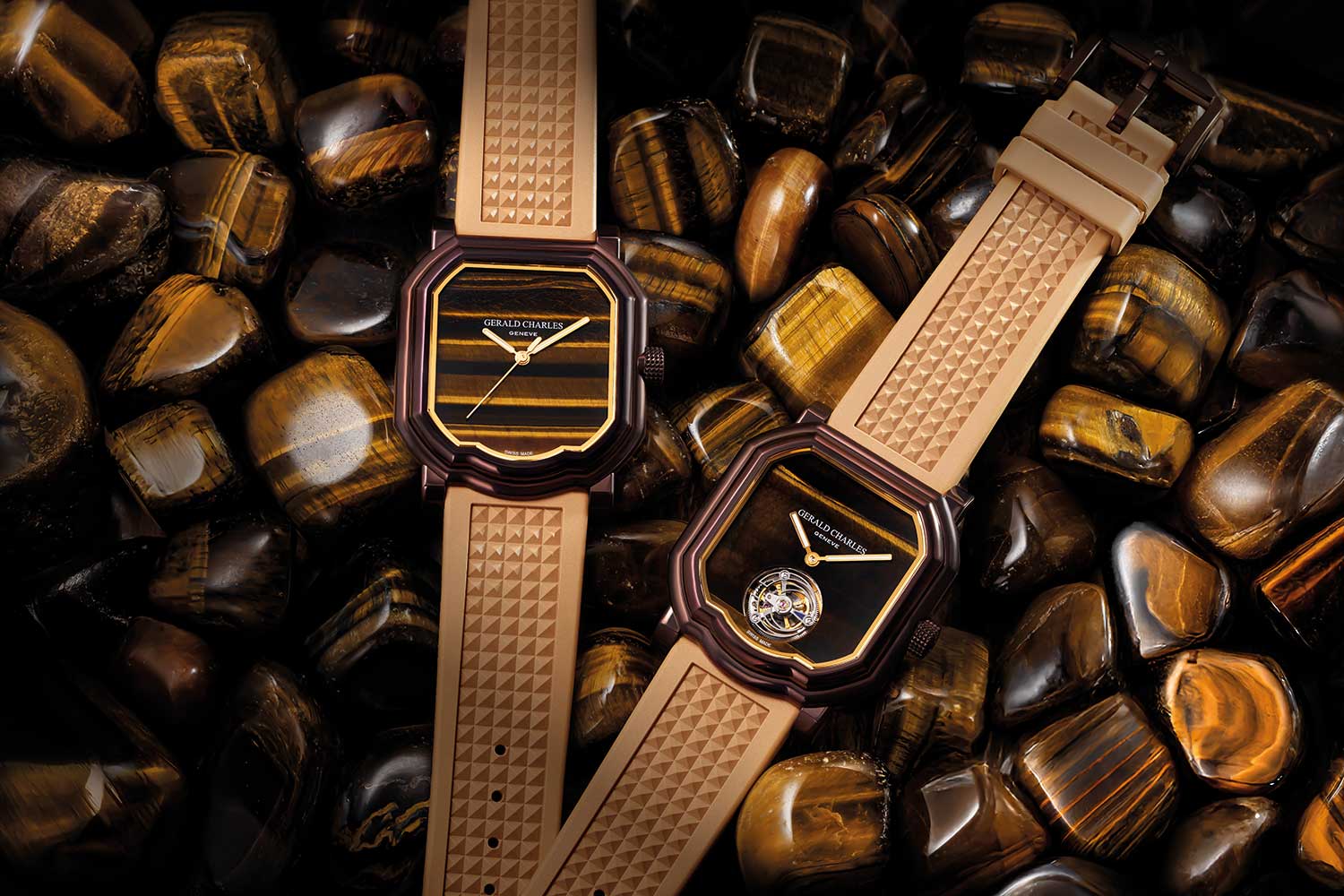
Yet Quartz birthed a new conservatism in watch design that suited the commercial pressures faced by historic watchmakers in a battery-powered world. Few brands saw radical shape as a way of standing apart from Quartz, or of signalling design value. “I think the making of round watches became a kind of habit [for the industry], and so the consumer has since grown used to mostly seeing round watches. It’s become the easy choice,” argues Federico Ziviani, general manager of Gerald Charles, a brand that has, he says, built an entire identity around the distinctive Genta-designed shape of its Maestro watch.
“But it’s also because [in a highly competitive business], making a non-round case shape is more complex and so more expensive – the more times your CNC machine has to change direction, to cut the sapphire glass, for example, the more chance there is of error,” he explains. “That limits the number of companies that can even attempt to make a non-round case. Simply exploring shape increases the risk of getting it wrong too: there’s a fine line between a shape that looks right and one that looks odd and unharmonious.”
All the same, Ziviani believes that the appetite for form watches is growing, not least as consumers increasingly value a watch less for its ability to plumb the depths or scale the heights, as its individuality of style: standing out, not fitting in. “There’s this awareness that there’s only one round, as it were, but potentially an unlimited number of other shapes for cases just waiting to be explored,” he says.
STANDING OUT
It is the rebirth of that 1960s/70s industry dynamic – this time in the form of the many micro-brands that have been able to launch as a consequence of the de-monopolisation of parts supply and the marketing reach of the internet – that is driving a new era of non-round watches. While the micro-brand market sees countless me-too models, it is also seeing an explosion of shape – from Toledano & Chan’s Brutalism-inspired asymmetric B1, to Anoma’s new triangular A1 ‘wearable sculpture’ and Maen’s Grand Tonneau – that is leading to unexpected sales successes. When Sylvain Berneron launched his artfully wonky Mirage four years ago he felt he would be lucky if he sold 12 pieces. Now he has sold that figure many times over and struggles with demand for 100 times what he is able to make.
Perhaps these – and the huge success of the Apple Watch, for which the tech giant boldly chose a rectangular form, or perhaps did so precisely to signal its difference from those dusty old mechanical things – will prove inspirational to future watch designers. Of course, this very magazine has been arguing this since the Apple Watch was acknowledged as a hit, and brands such as H. Moser & Cie even made very public jokes about the same. Of course, the Schaffhausen brand itself has largely abandoned form watches too…
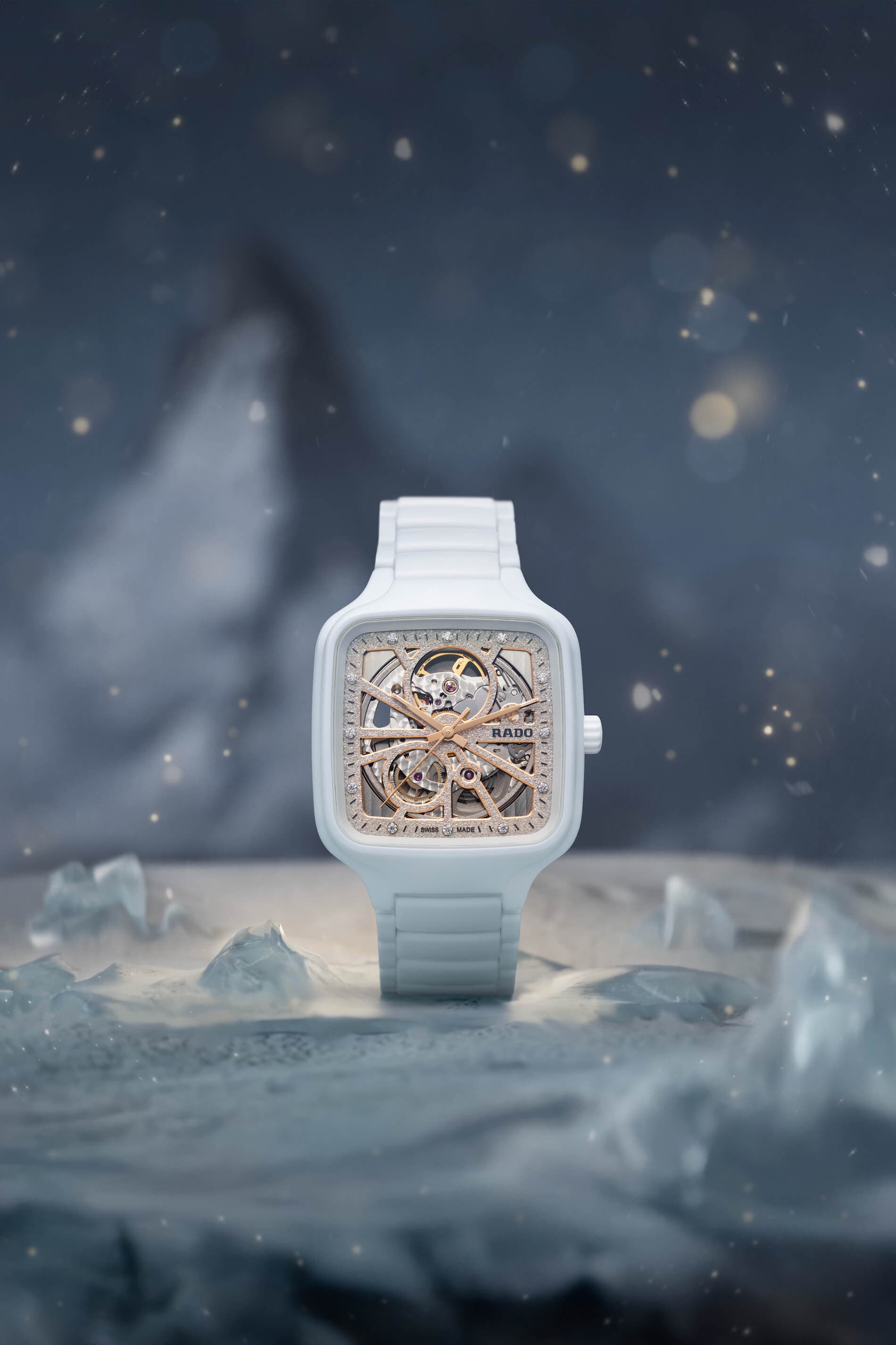
This is not to say that there are not efforts from the more established watchmaking brands: Rado continues on the path to future icon status with its True Square, Girard Perregaux this year launched an octagonal Laureato Aston Martin edition, and Hublot’s new Meca-10 in collaboration with the artist Daniel Arsham twists things with an amoeba-shaped glass set into an ostensibly round case…
It might perhaps be that many of the established brands have had the dissuasive experience of launching a form watch and having to wait – and wait, and wait – for it to find its audience. And sometimes to find it again.
ROUND TYRANNY
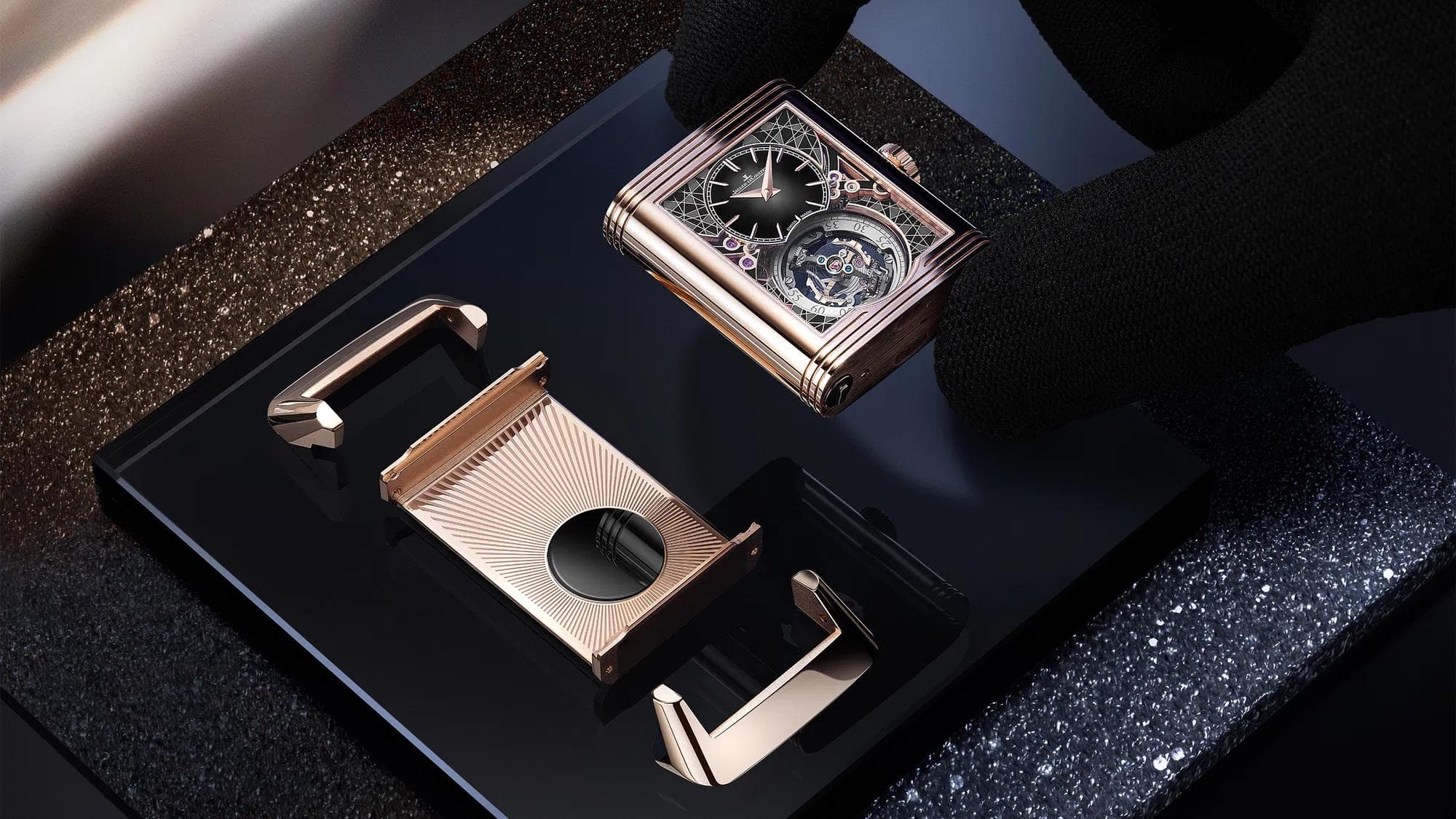
It is hard to imagine now, but Busser, ex of Jaeger-LeCoultre, recalls a time in the 1990s “when you couldn’t give a Reverso away”. It took three years to sell the first 2,000 pieces of the Royal Oak, its octagonal shape too disruptive for many. The Monaco only made it onto Steve McQueen’s wrist in Le Mans because there were not enough Autavias available, whereas the Heuer factory was well-stocked with unwanted, too avant-garde Monacos. “When they work, such designs can be real catalysts for change,” notes Nicholas Biebuyck, heritage director for TAG Heuer. But that playing the long game pays off in the end is a hard commercial case to make in the business climate of recent years.
“[In contrast to the newer, smaller brands] the big names of the industry still tend to go for whatever works [in sales terms] and that’s been round watches – outside of that paradigm people take time to [express their desire for something else] and many companies don’t see the viability of waiting for them to do so,” reckons Donell Hutson, Bulova’s senior watch designer, who has championed the recent return of the company’s bullhead designs. “But speak to people outside of the watch industry and there’s a sense that there’s a real demand for more interesting case shapes, and that round watches just seem too clean, too boring now.”
And yet, the form watch is the exception that proves the rule. We still live with the tyranny of the round, even as the very purpose of the watch is changing. It is surely not to tell the time but to express it, to reflect the wearer’s personality, to be a small piece of wearable craft. The round is “part of a heritage [in watchmaking] that could take decades to shift,” says Ziviani.
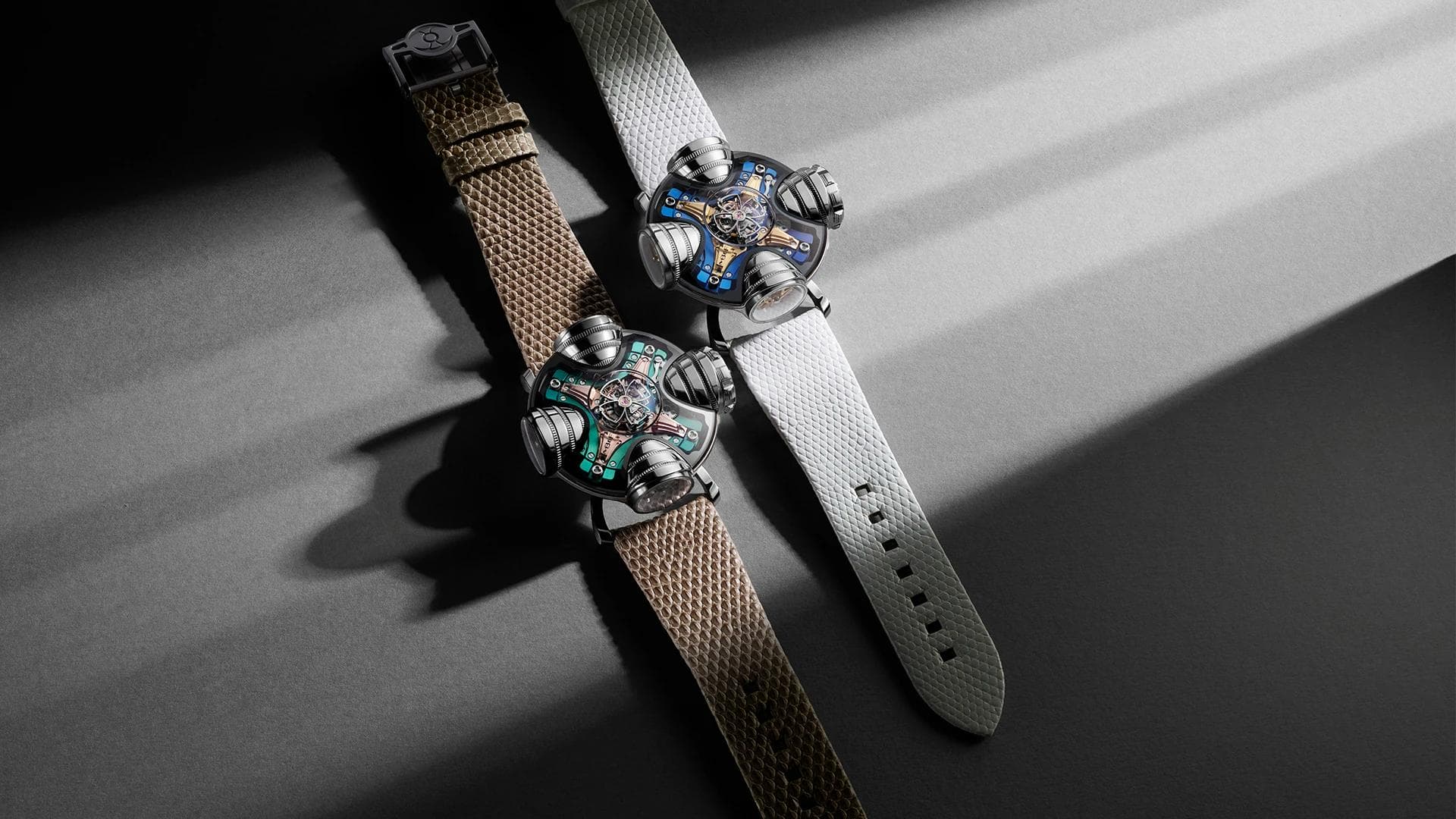
“Everybody says now that ‘watchmaking is a sculptural art’ since the function of the mechanical watch has been superseded. But if that’s true, why are the vast majority of watches still round?” asks Busser, a man comfortable with making watches that look like frogs or tape cassettes or spaceships, and, what is more, has buyers lining up for them. “The fact is that to move away from round is still invariably to create a watch that’s hyper polarising, something that the industry broadly sees as aggressive and scary because ‘that’s not what a watch should look like’.”
“It’s true that if you’re going to buy only one watch, then you’d probably still play the versatility card and buy a round one. Form watches still tend to be more niche, more what the collectors go for,” concedes Berneron. “But I like to think we’re entering a decade of more design-focused propositions [in watches]. It’s time for it – a reaction to the dominance of steel sports watches over recent decades, all with more or less the same look, just a different brand on the dial.”
This story was first seen as part of the WOW #82 Festive 2025 Issue
For more on the latest in luxury watch reads, click here.