Critic’s Rating: 4.7 / 5.0
4.7
We had another Torres episode, and it certainly delivered.
Chicago PD Season 13 Episode 16 quietly devastated me in ways I didn’t anticipate or even fully feel until the closing credits.
We started the hour with what appeared to be a senseless, heartbreaking death of a teen trying to turn his life around, and ended it watching a sweet girl who had so much taken from her going into the system.
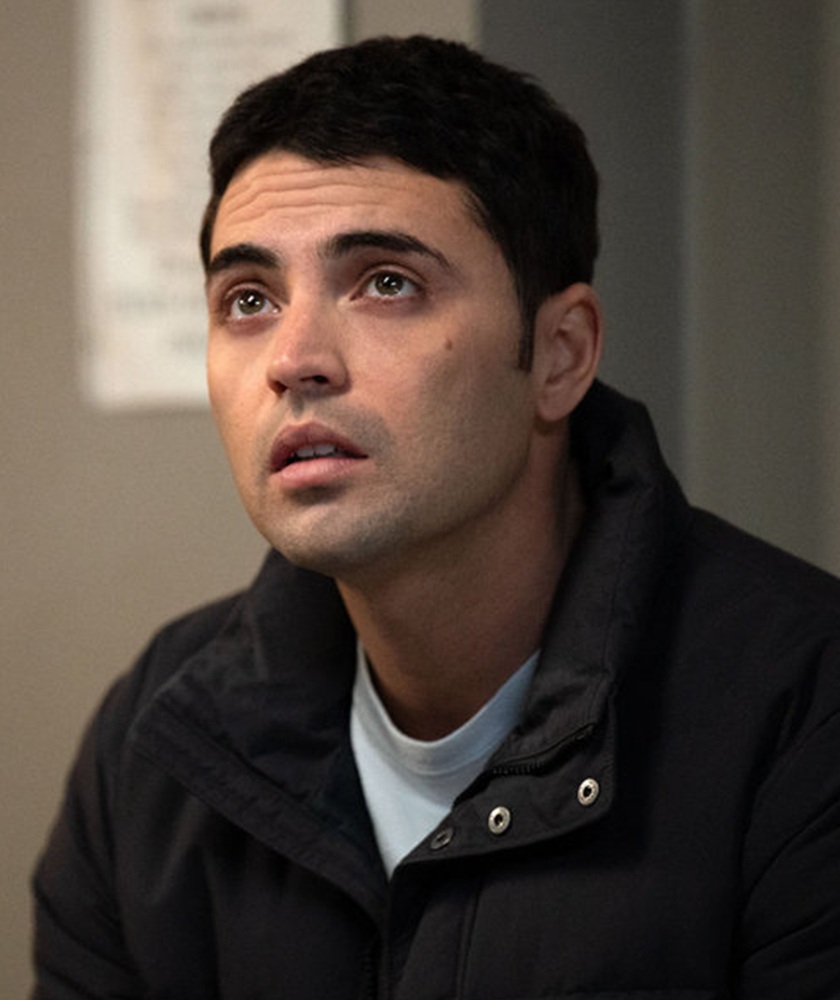
It’s the complexity of that at the core of the hour that made it such a fascinating and emotional watch. Torres had a lot to grapple with as it became one of those cases where you can’t quite make sense of what justice even is.
What’s right isn’t always what’s legal. And what’s legal isn’t always what’s moral.
As the hour progressed, it became clear that there was a tightrope to walk and difficult topics to navigate, and what makes this hour so strong is that it fully dives into the gray, the ambiguity of it all.
“Restored” doesn’t ask us to have answers or even walk us into feeling one way or another. It doesn’t feel manipulative or even attempt to tell us anything or to have anything impactful to say.
It just presents us with this convoluted story and leaves us sitting with a myriad of feelings, regardless of what’s happening on the screen.
And Benjamin Levy Aguilar, once again, is stellar. It has truly been his season.
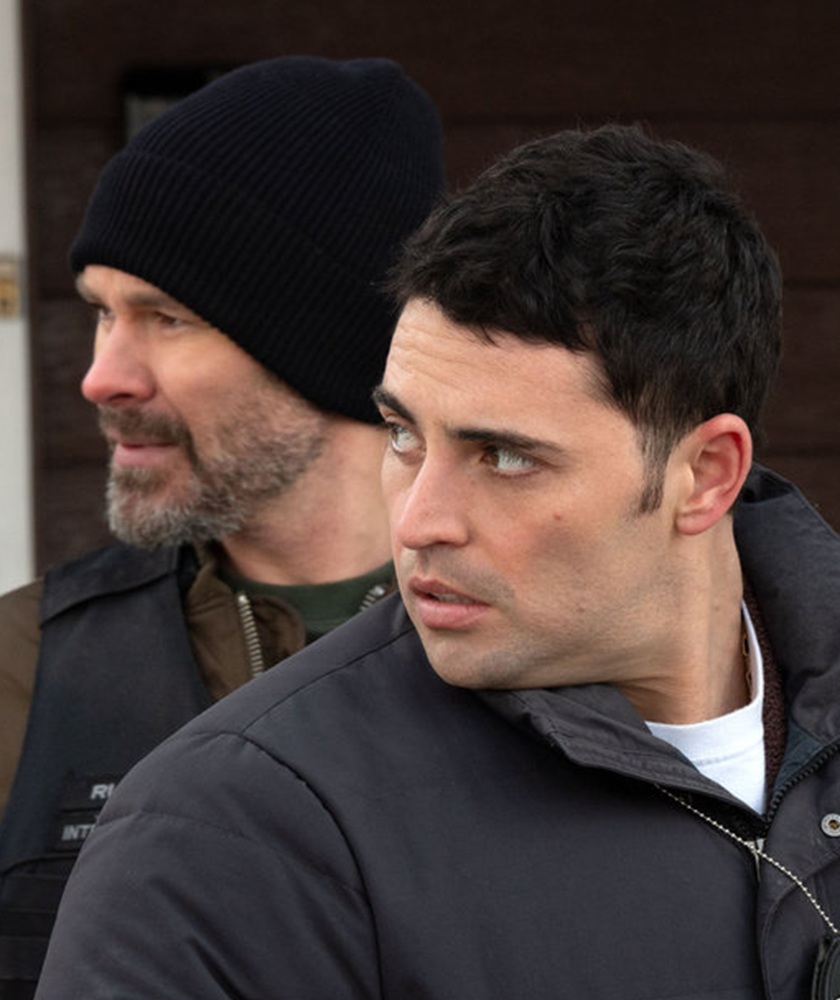
Some arcs have been more polarizing than others, and there are reasonable frustrations over how Chicago PD disperses its centric episodes.
But setting all of that aside, I’ve taken genuine pleasure in watching a talent like Aguilar flex his skills and hone them. They’ve given him a treasure trove of complicated and often dark content, and he’s knocked it out of the park.
I will say that Chicago PD Season 13‘s digging into who he is as a man, what he reconciles with, the lines he draws, his own moral compass and sense of integrity, it’s all been very compelling.
Often, I’ve found some of how the series only explores him through religion and his dark past a bit tiresome and redundant. Every single installment of his this season has had heavy religious themes that have felt a bit overpowering.
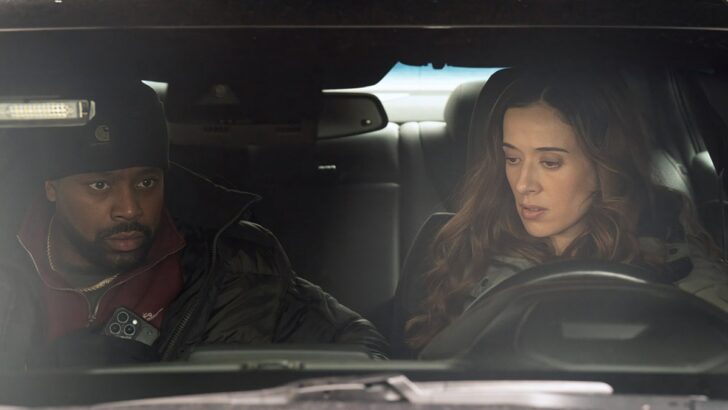
They’re in this hour as well, but subtler, and I love that. Malik spent half the car ride poking fun at Torres for being a “Jesus freak,” and I couldn’t resist the smile as Torres explained that he had a St. Jude pendant hanging from his rearview mirror.
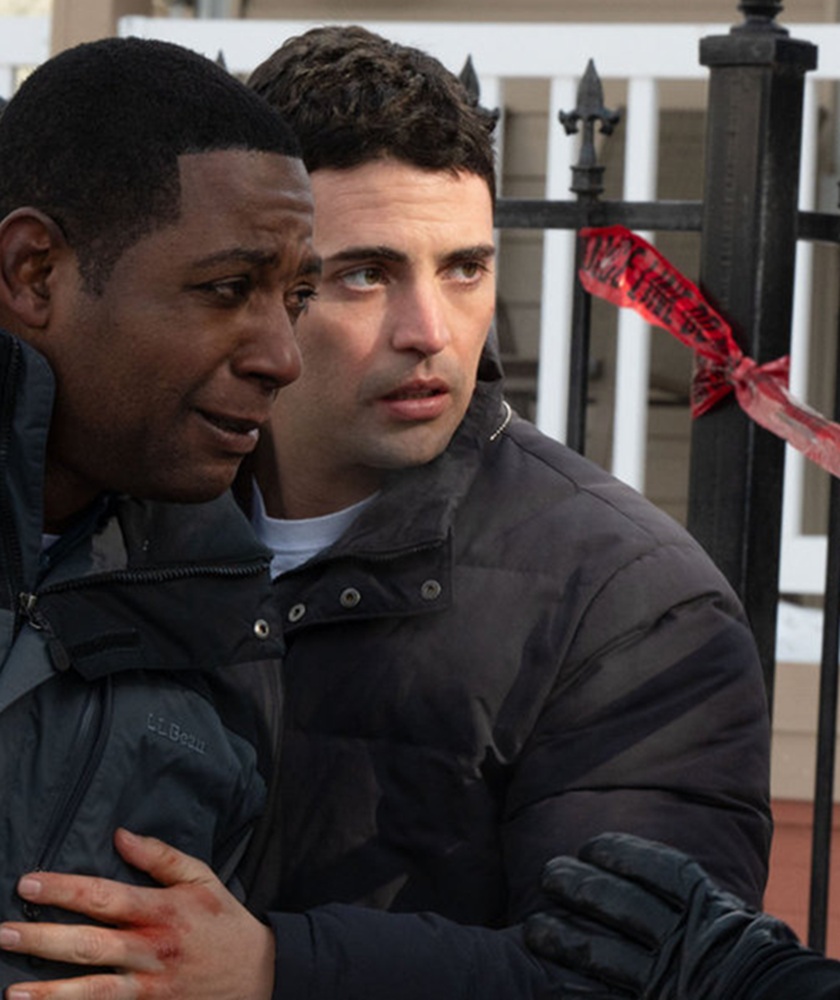
It’s all the little details sometimes, you know? Of course, he has the patron Saint of Lost Causes for a plethora of reasons.
Torres’ reasoning for wanting to be part of this community outreach and restorative justice program was as simple as his belief that someone can be restored.
It carries as much weight for him as someone who grapples with his own past and constantly wants forgiveness for his sins as it does for his faith.
But then he gets a case like this, and it’s something wherein if he were in that darker stage of his life — his relationship with God — he’d question everything. Because how do you make sense of so much pain, hurt, and trauma, right?
Where is the line between vengeance and justice?
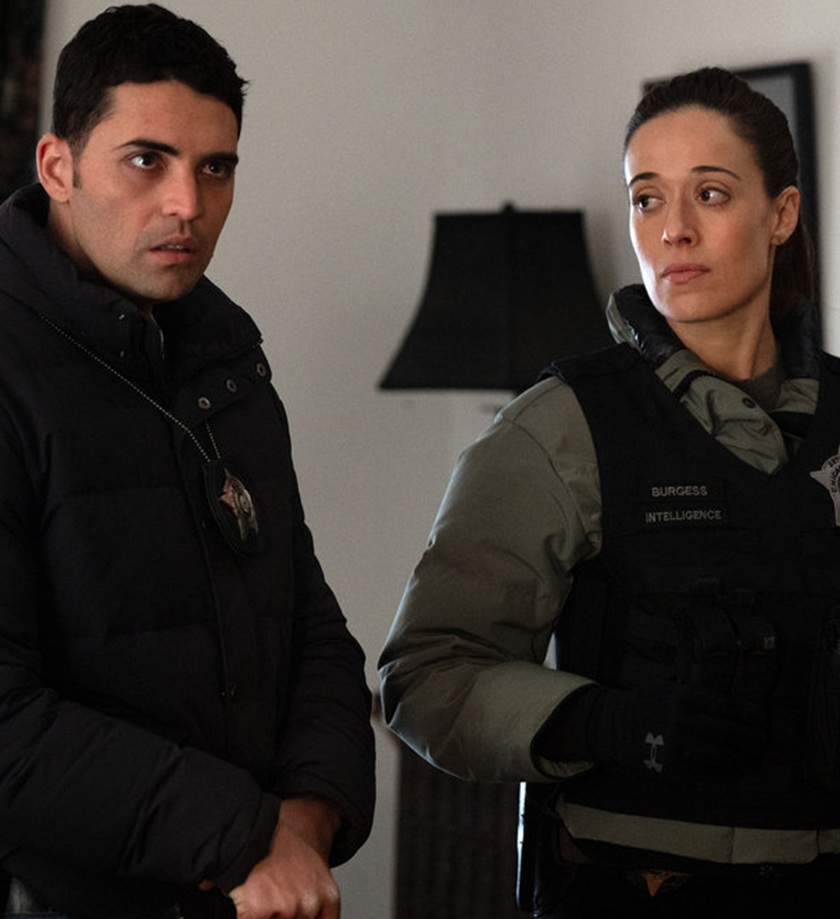
But Torres maintains his resolve throughout the hour, and it makes for such a great watch.
He was forming a real connection with Malik. It seemed like the latter warmed to him, and at some point, there was a glimmer of something, potential, if you will, on the other side of whatever landed him in the program in the first place.
When he spoke about painting the entire fence because you want to do a job right, there was that flicker of pride, that warmth at the possibility of making a difference, and that maybe Malik could be on a better path. And then the shooting happened.
All you could see was a kid’s life cut far too short before he could make a difference or figure out his own path. It was a devastating opener—so jarring. It was evident almost instantly that Malik was a goner.
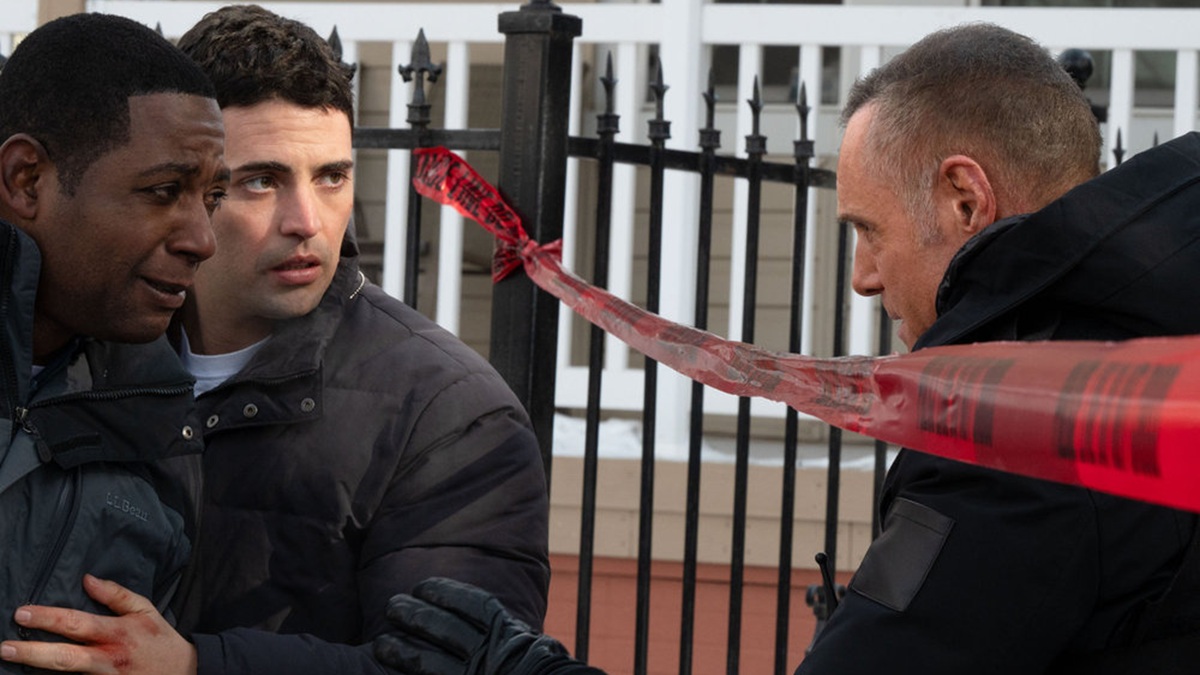
And Torres went straight into cop mode, trying to track down who was responsible. We only saw a brief moment in the car when he was wiping his bloodied hands on his jeans, that the shock of what happened hit him.
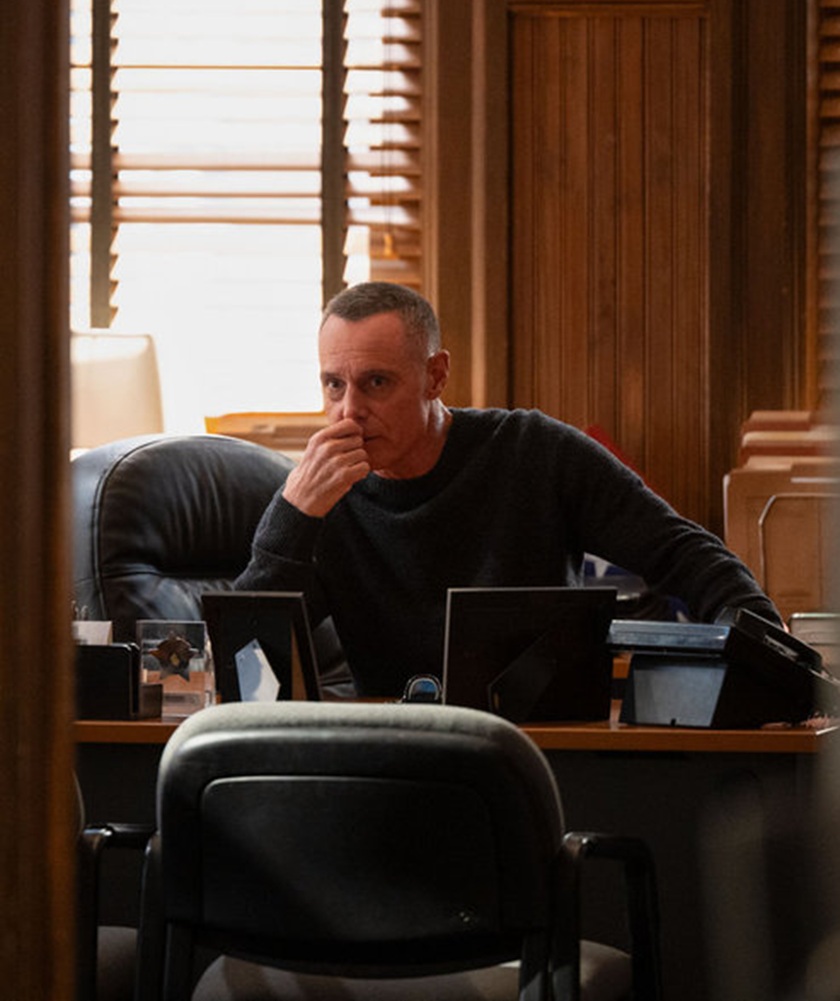
Then we got drawn into the intensity of Torres navigating the neighborhood and following the blood droplets into some project housing that felt like a potential death trap for him.
Obviously, it wasn’t a neighborhood where they trusted the police, and because of the heavy gang presence, people also didn’t want to be seen talking to a cop.
Understandably, so. The whistles and warnings of 5-0 as he walked into unknown territory ratcheted up the tension of the moment.
It was also one of those moments that made me appreciate WHO Torres is as a character, too. It’s genuinely nice to have characters like Torres and Atwater who understand these neighborhoods and the streets, especially Torres, who is the most street-savvy of them all.
He gets these people because he was one of these people.
Talking his way through the drug dealers in the hallway was a nice little nod at that. They misled him, but he at least got eyes on Cam, and the case really took off from there.
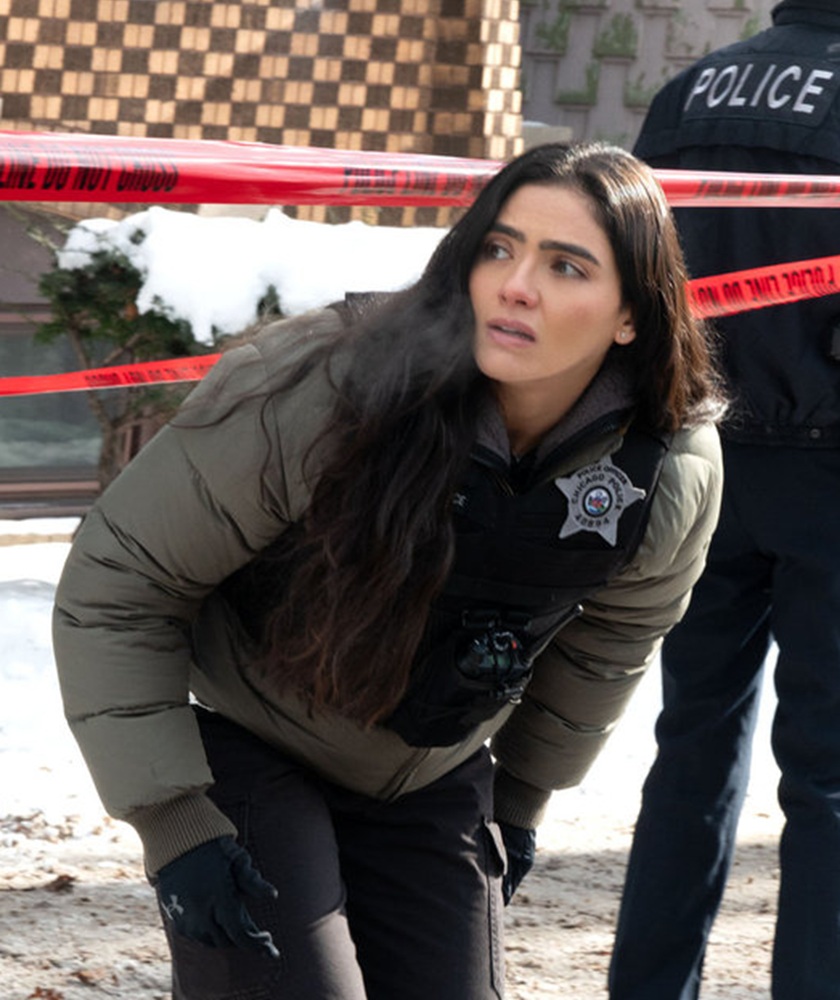
Cam’s family stonewalling the cops the entire time was to be expected.
And initially, Torres was just too frustrated with the whole thing. He couldn’t fathom why a father who was talking about accountability and making right would shut down when a dead teen was on his pavement.
But it was obvious that there was more to the story. My only real frustration was how long they dragged out getting to the truth when it was plain as day.
It kept feeling a bit too contrived that Shortie and whoever else would keep mentioning that Malik wasn’t a saint, but they wouldn’t go into more detail when pressed.
And that’s when they pressed about it at all. There were at least two times when characters made those comments, but none of Intelligence pushed it further or followed up on it immediately.
From early on, it was apparent that this dispute, which was vaguely “over a girl,” had far more sinister roots. And while they were searching for which girl it could be, or fixating on Katherine, I wondered why it took them so long to look at Iyana.
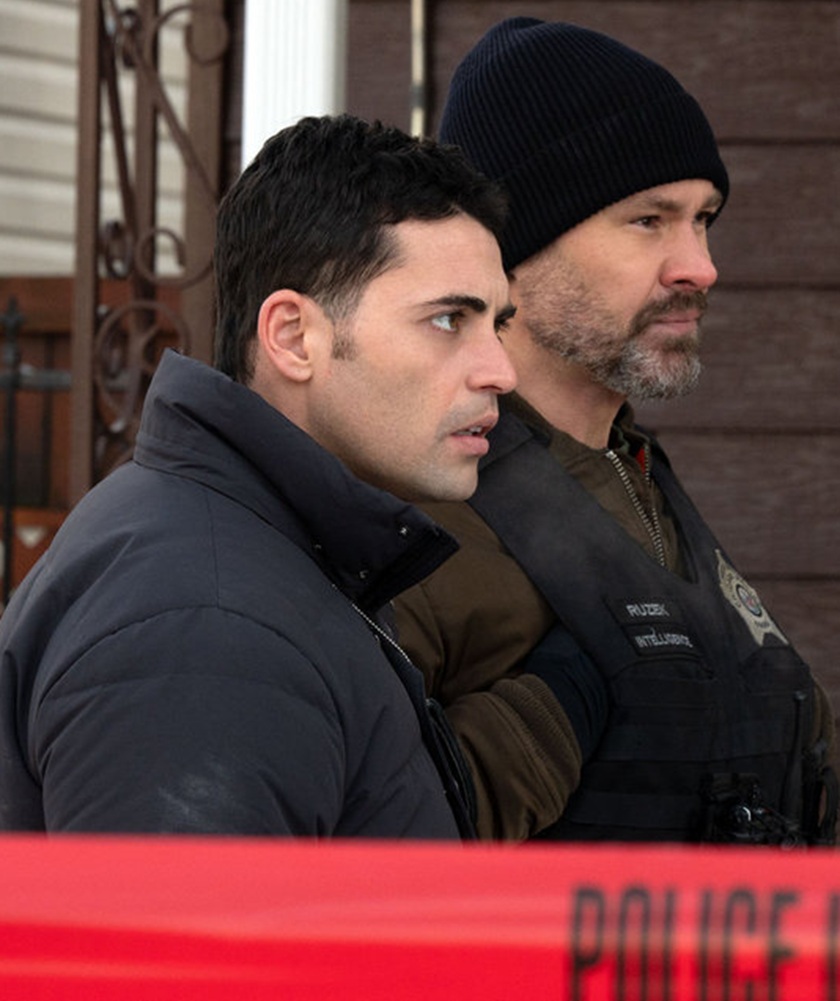
She was the last one to come out of the house when they heard the shooting. And she was one of the first ones to speak ill of Malik and looked uncomfortable with is present there.
It took them forever to circle back around to her, but Cam was the perfect distraction. He was a strong lead, given that Torres saw him flee, he was covered in blood, it was his car, and all that evidence was at Katherine’s house.
Katherine had moxie, I’ll give her that, but it was also infuriating that she was so insistent that it wasn’t Cam, but she wasn’t giving them anything to prove her case. Torres’ frustrations were valid, and I was ready to bang on a table, too.
But once she realized that he was sincere in wanting to help Cam when he pieced together that it wasn’t him, she caved.
It’s a good thing she did because Malik’s father would’ve killed Cam otherwise.
And if Cam died because he was trying to be a good brother protecting his sister, that would’ve taken an already tragic episode over the edge, along with my emotions.
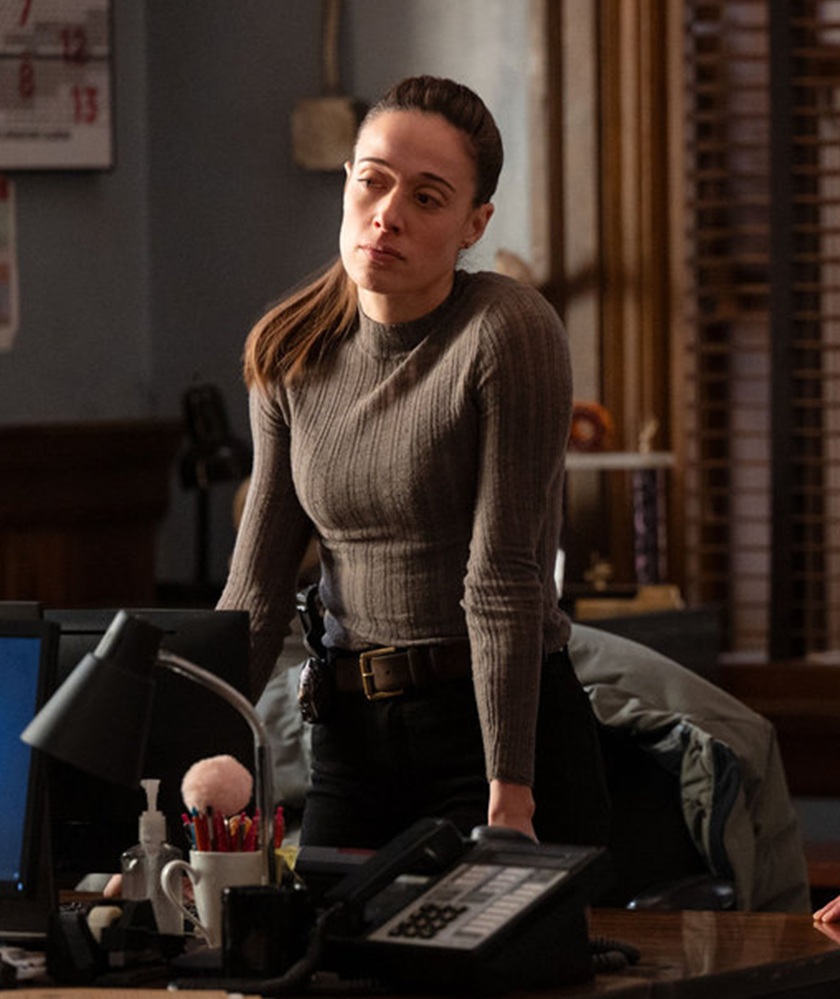
After all of that, I couldn’t fault Cam.
Malik sexually assaulted his sister, and nothing came from it. Iyana murdering her rapist was her sense of justice, and after everything else she had gone through, there was no way on earth he’d want to see his baby sister go down for that.
He’d rather do a bid for the murder than see his baby sister in prison, and I can’t say that I blame him one bit.
The poor guy wasn’t exactly a saint himself, and in the street life, so it was a risk he’d happily take. How could he not? She’s his baby sister. It’s what reasonable older siblings do.
It was tough watching him practically beg Torres to take his confession as gospel and leave his sister out of it. But there was no getting around that. All the evidence pointed to Iyana.
And once again, my emotions got the better of me when it came down to Torres and how wonderfully he handled Iyana. One of my favorite things about Torres is how the series consistently shows his sensitivity with sexual abuse victims/survivors.
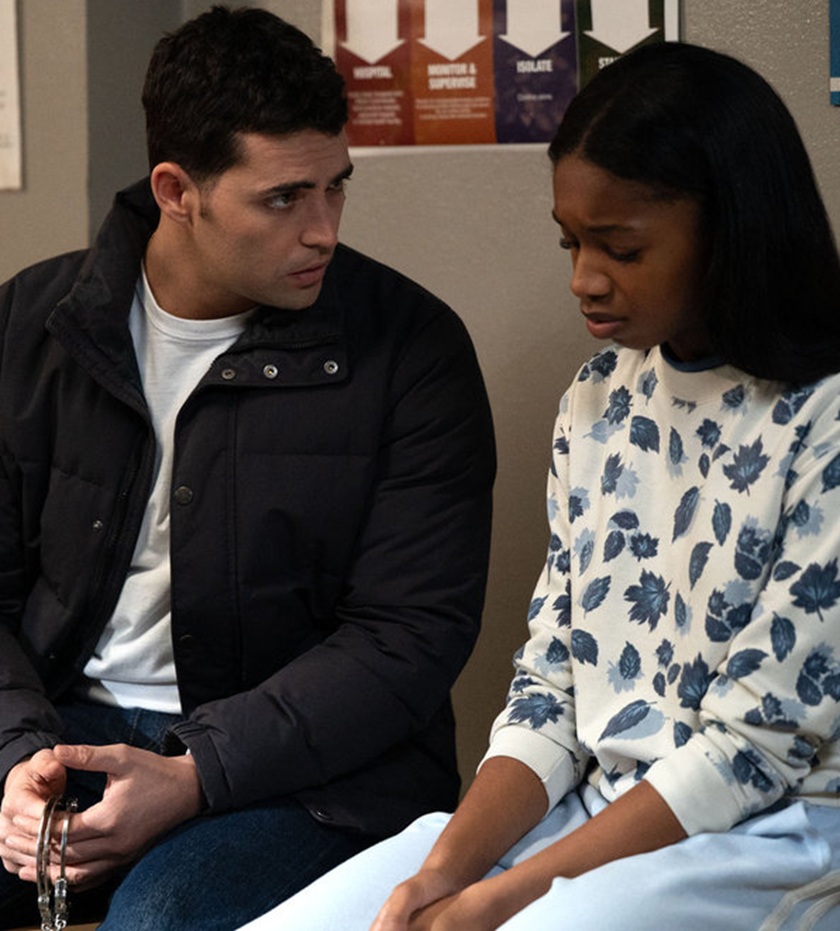
Since his first season, we’ve always seen that, how he does and says all the right things — the soothing, quiet voice, walking the person step-by-step through everything, announcing his every move so as not to trigger or startle them, asking for permission or announcing when he would touch them.
He does it all.
With the series alluding to Torres’ own background as a sexual abuse survivor, it makes sense that he’s very attuned to this. And even though he was taking Iyana in, he didn’t treat her as a criminal or villain — but as an abuse survivor.
And goodness, those scenes hit even harder when it started feeling as if Iyana was looking younger and younger as the sequence went on.
The cuffs barely fit properly around her wrists. She was just a kid; even her wardrobe was just so… youthful and innocent.
Malik took her innocence twice over, the first time when he assaulted her, and now, with her taking his life. It’s just so heartbreaking.
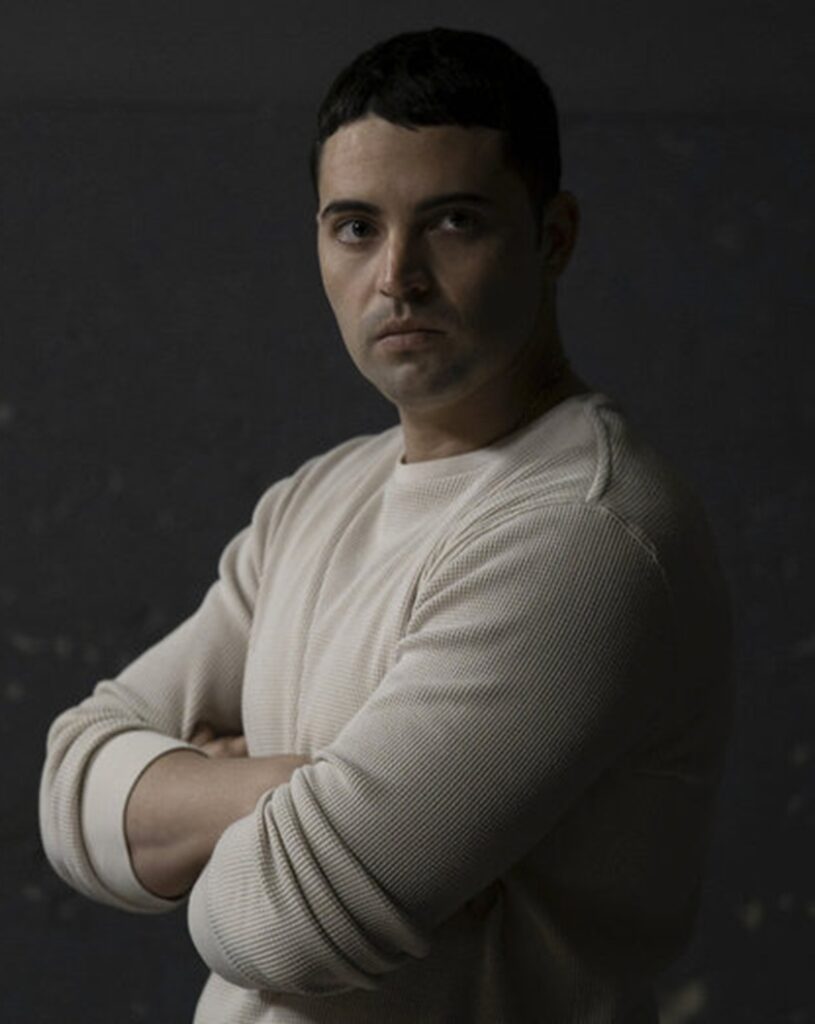

It’s also a sobering reality.
So many young girls and women who find themselves wrapped up in the criminal justice system are often abuse survivors or people who fell through the cracks — people who are often punished and criminalized in the same system that failed them in the first place.
It was hard not to think about Torres’ own experience in Marion when he spoke with Iyana. He went into that juvenile facility a young, troubled kid, and he came out of it broken with traumas that he still hasn’t fully healed from.
That’s why he truly believes in restorative justice. A system in which people like him or Iyana can get second chances, grace, a chance to make right and head down a better path — that’s more hopeful than getting tossed behind bars and leaving a facility more broken than you were when you went into it.
Punitive systems can cause more harm than good, even contribute to the problems in the first place — a cycle that never really ends.
It’s enough to make you misty-eyed. Torres could speak to her not just as a cop, or, better yet, not as a cop at all—he could speak to Iyana as someone who survived juvie himself and is worried and desperate for her to do the same.
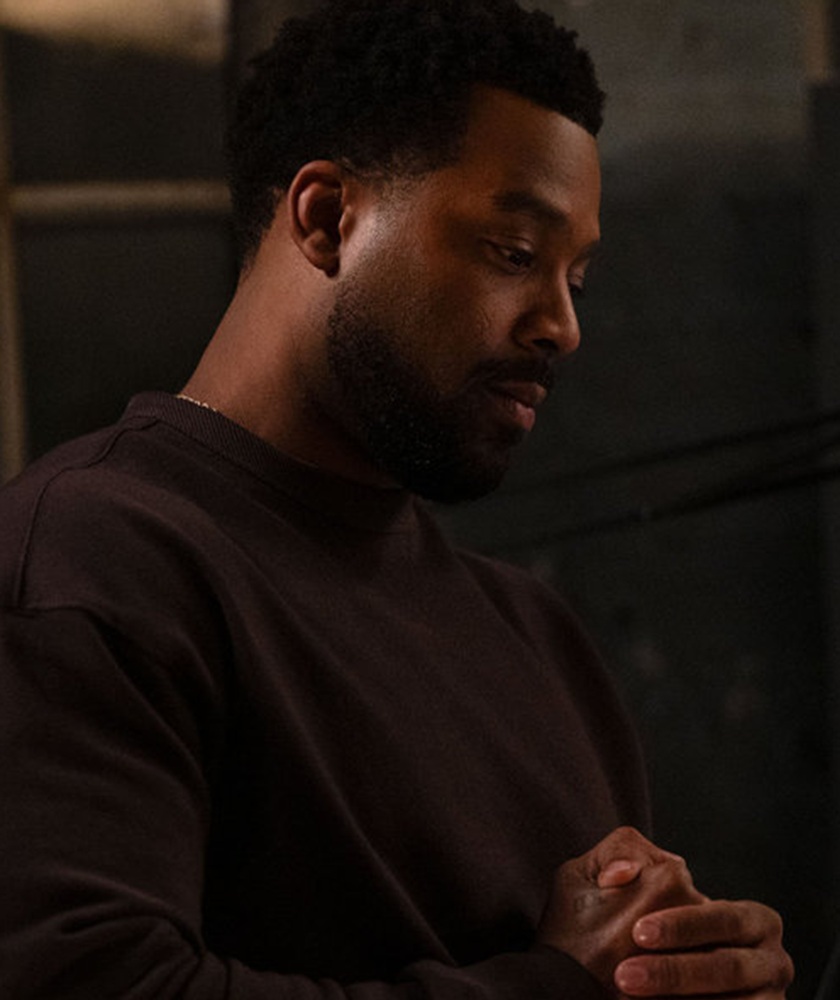
I loved that he told her to call her lawyer if she has trouble, sure, but also to call HIM. It’s some solace.
Justice isn’t fairness here. But he does what he can. It’s cases like this that reaffirm who Torres is as a cop, a man, a really compelling character.
Thoughts and Things:
- Torres and Imani’s moments working together were cute. It’s nice to see Imani interacting more with other team members.
- I laughed SO HARD at Ruzek trying to figure out what “glizzy” meant. He’s definitely in his Daddy, I mean, Dad Era. It’s so good to have him back.
- Voight’s approach with Malik’s father broke me a little. He was so great at speaking with this man and giving him what little he could because he knows what it’s like to lose a son.
- I love that they’re making great use of the cage this season!
- And again I ask, does ANYONE know that Atwater is going to be a dad?
- That shot of Torres standing in front of the fence with the bullet hole in it, ready to fix it… perfection.
Over to you, Chicago PD Fanatics.
Did you love this Torres episode? Let’s discuss it below!
Share this article. And Thanks for supporting indie sites like ours!
-

We’re coming in hot with some powerhouses. Dive into our Characters of the Week from FBI, Grey’s Anatomy, When Calls the Heart, and many more!
-
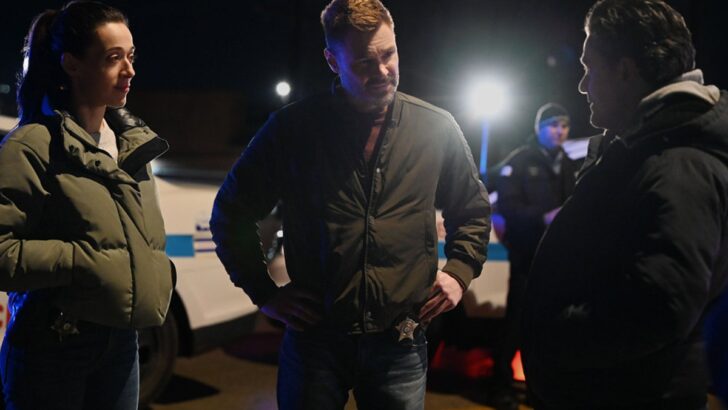
Ruzek returns with an action-packed centric on Chicago PD Season 13 Episode 15 as he tries to decipher if he’s dealing with a dirty cop.
-

No matter where you look in the Dick Wolf universe, it’s hard to find happy couples we want to root for. What’s the deal?
-
Burgess attempts to mentor a young cop, but she makes an error that changes everything on Chicago PD Season 13 Episode 14.
-
The One Chicago Crossover concludes on Chicago PD Season 13 Episode 13 with Voight , Intelligence, Hailey, and Jay reckoning with a past case!
TV Fanatic is searching for passionate contributors to share their voices across various article types. Think you have what it takes to be a TV Fanatic? Click here for more information and next steps.