
The 1979 Iranian Revolution saw the immediate state seizure of one of the world’s most significant private automotive collections. Mohammad Reza Pahlavi — the last Shah of Iran — had used the state’s oil wealth to amass approximately 140 exotic vehicles before his exile. Following the collapse of the monarchy, the cars fell under the control of the Bonyad Mostazafan — or the “Foundation of the Oppressed” — a government entity established to manage property confiscated from the toppled regime.
For over four decades, a majority of the fleet remained in storage, often referred to as being “mummified” due to their complete isolation from the elements and public view. This period of total concealment preserved the vehicles in a high state of mechanical originality, many of which retain exceptionally low, delivery-level mileage from the late 1970s.
The Collection’s Crown Jewels
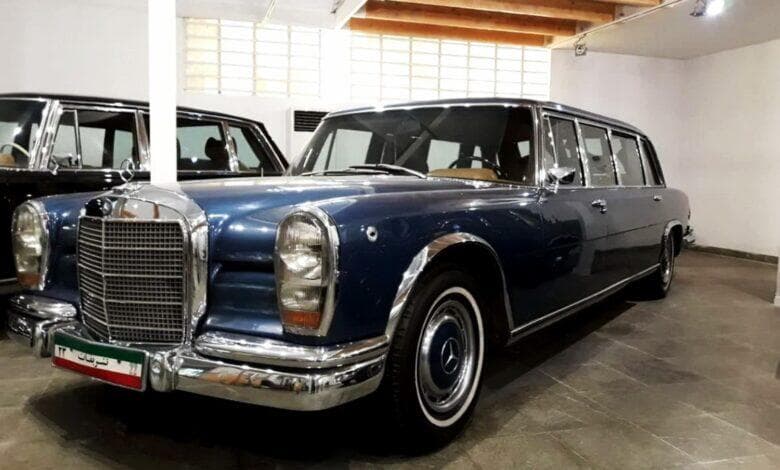
In 2001, the state opened the Iran Historical Car Museum in Tehran to showcase the survivors of the revolution. The institution serves as a repository for one-off models — vehicles built to the Shah’s personal specifications that do not exist elsewhere.
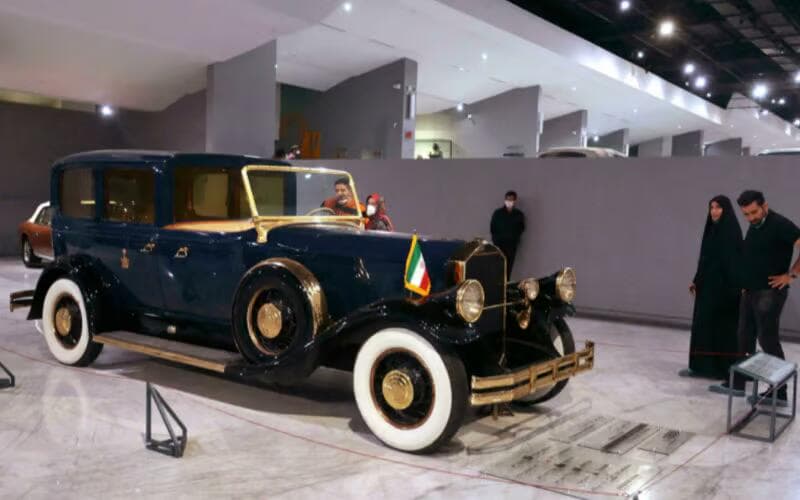
A primary exhibit is the 1930 Pierce-Arrow Model A, a gold-trimmed luxury vehicle that was the most expensive American car of its era. At a purchase price of USD 30,000, it cost the equivalent of one-eighth of Iran’s entire state budget at the time of its acquisition.
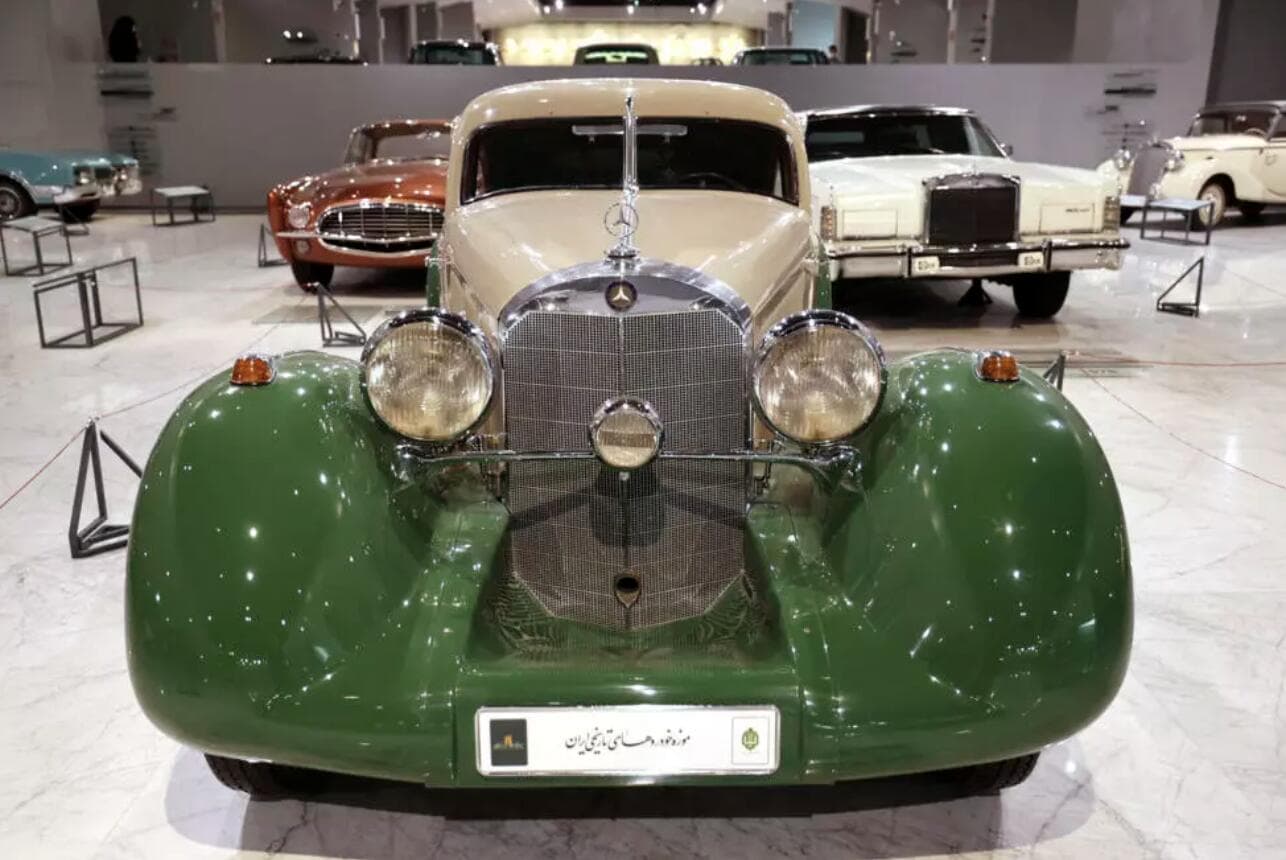
The museum also houses a Mercedes-Benz 500K Autobahnkurier, a streamlined model designed for high-speed travel on Germany’s early highways. Only six of these “highway couriers” were ever built and the Shah’s car is one of only two surviving units in the world today.
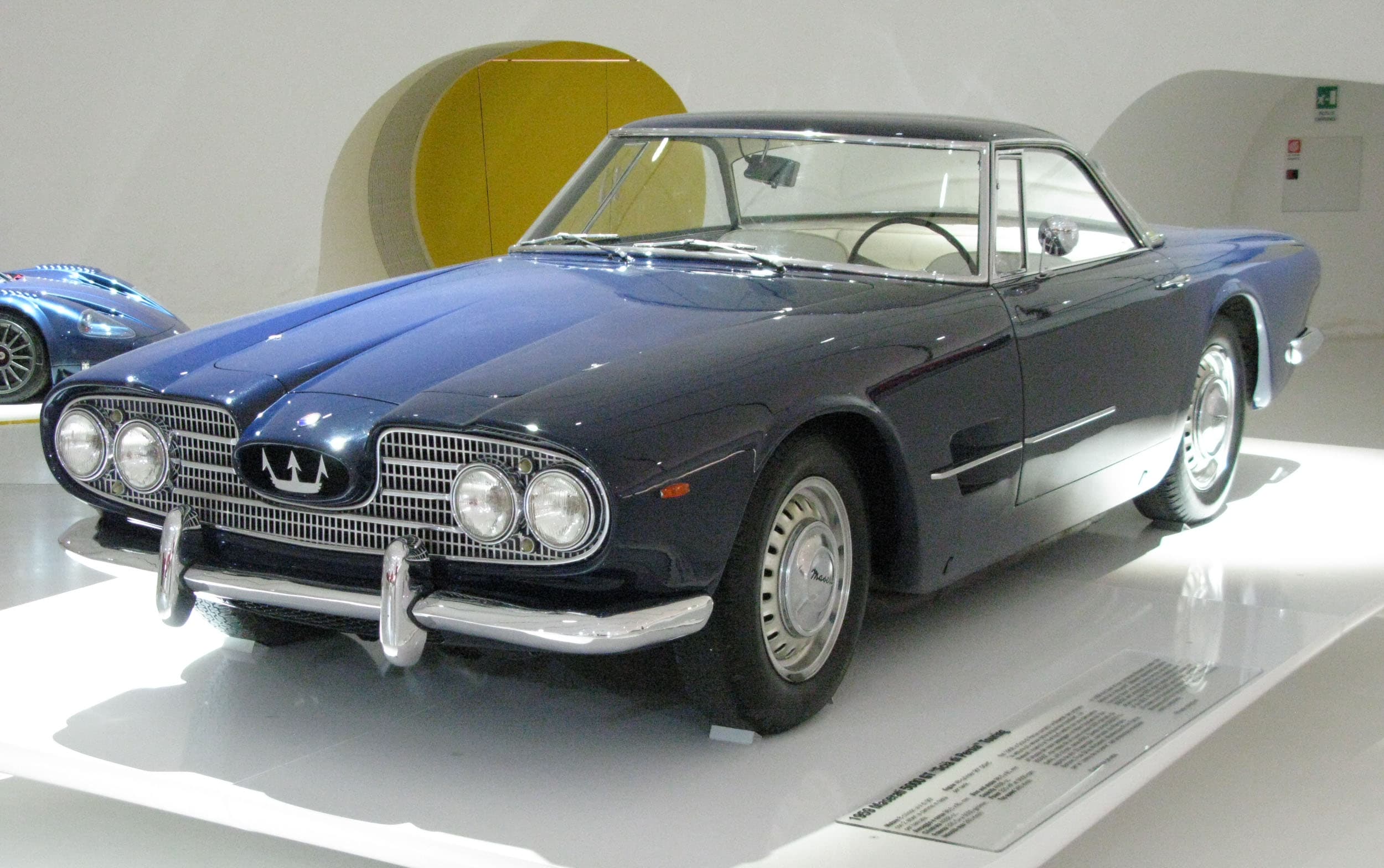
Another bespoke project is the Maserati 5000 GT “Shah of Persia”. Dissatisfied with the performance of the standard Maserati 3500 GT, the Shah commissioned the Italian manufacturer to install a 4.9-litre V8 engine from their 450S racing car into a custom-designed body. This request led to a limited production run of 34 units named in honour of the Iranian monarch.
The Dispersed Assets
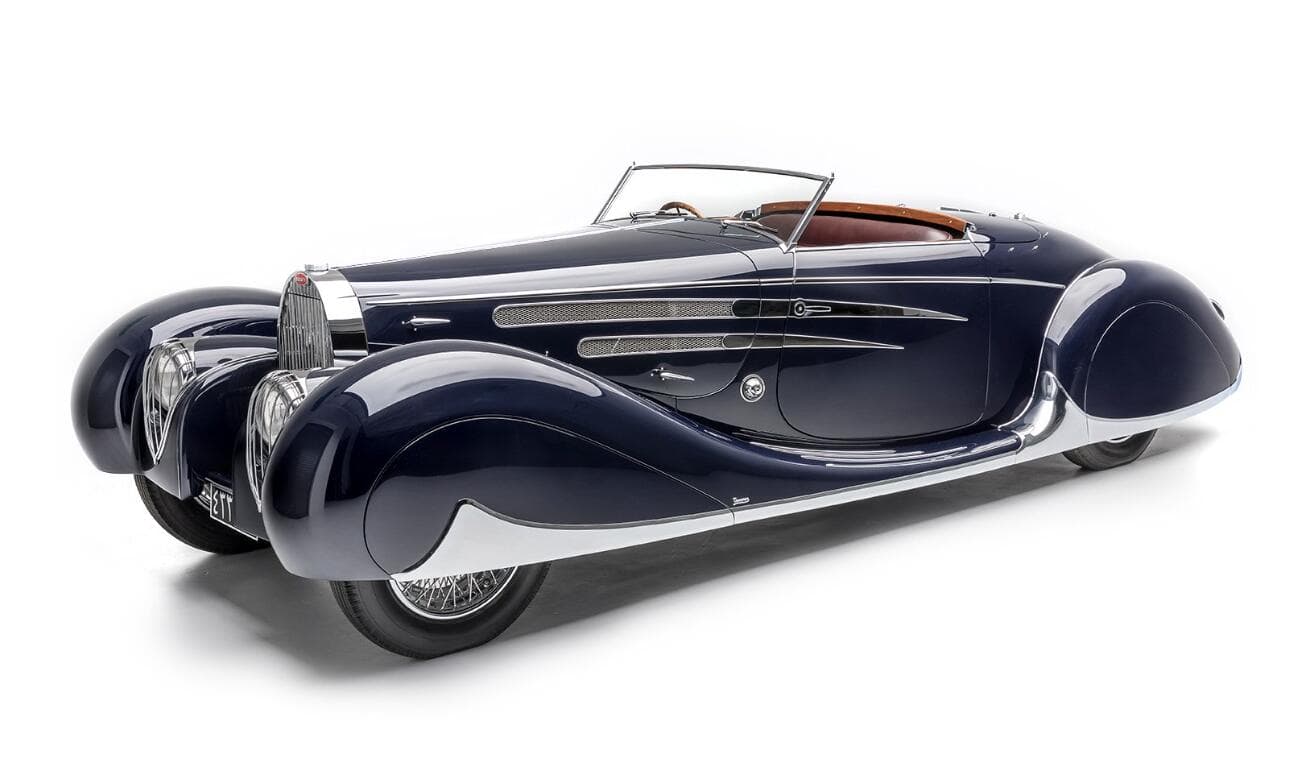
While the Bonyad Mostazafan maintains the core fleet, several prominent pieces were either sold or moved during the political transition. The most notable loss to the national collection is the 1939 Bugatti Type 57C, originally a wedding gift from the French government. In the years following the revolution, the new government sold the car for a mere USD 275. It has since been restored and is currently a centrepiece at the Petersen Automotive Museum in California.
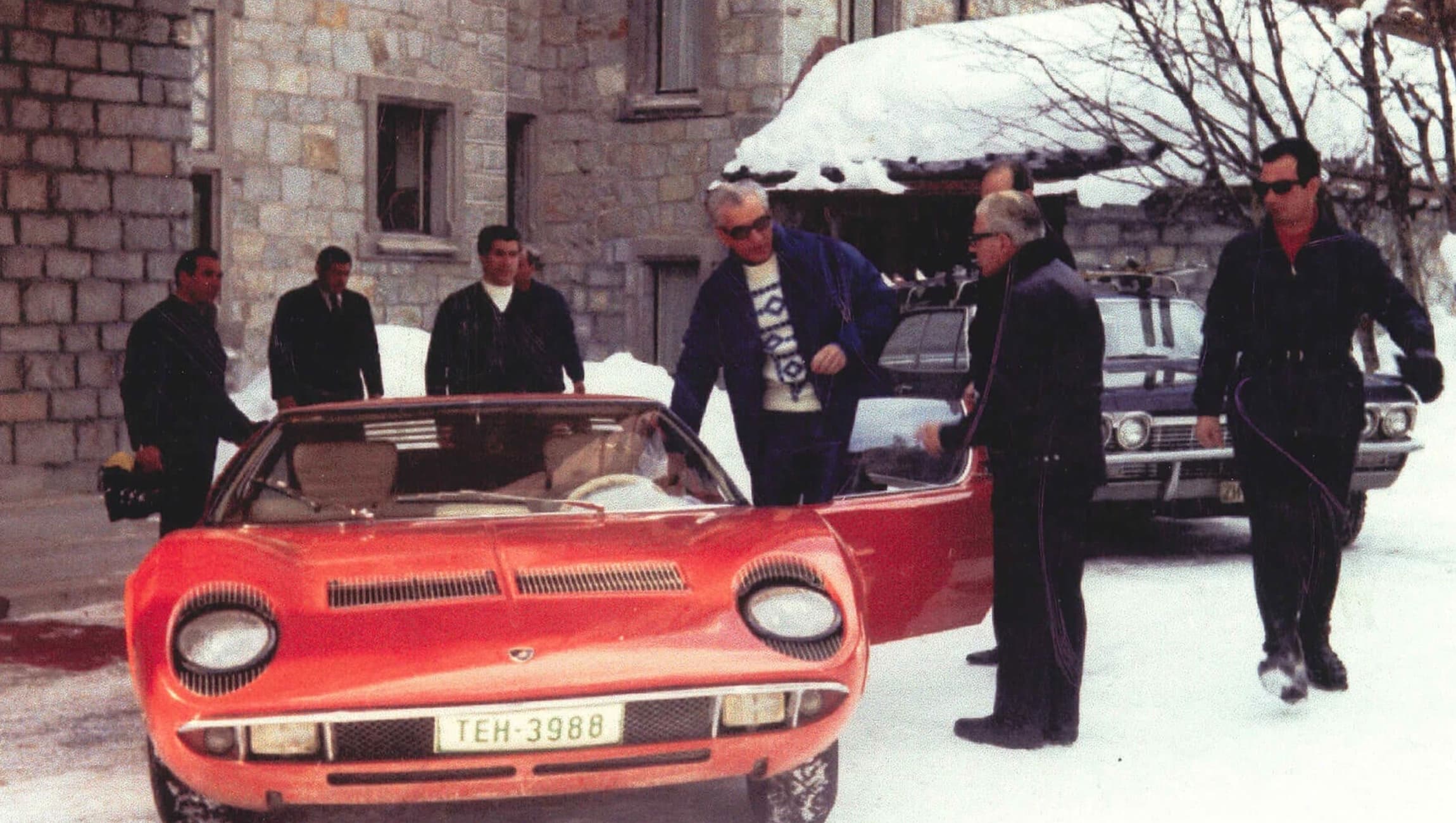
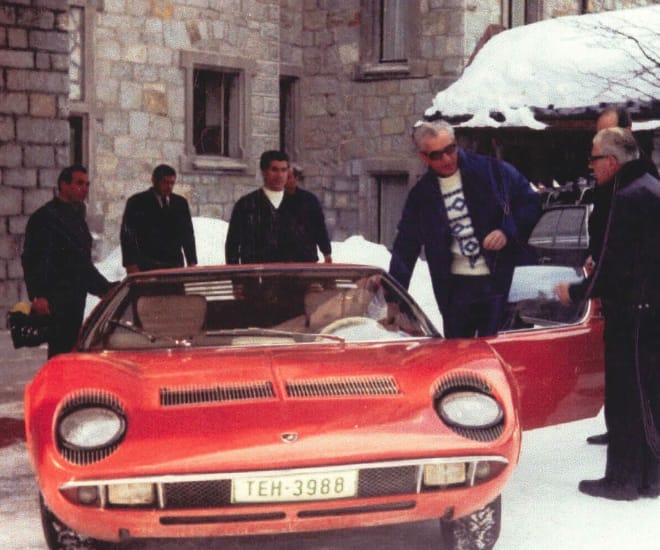
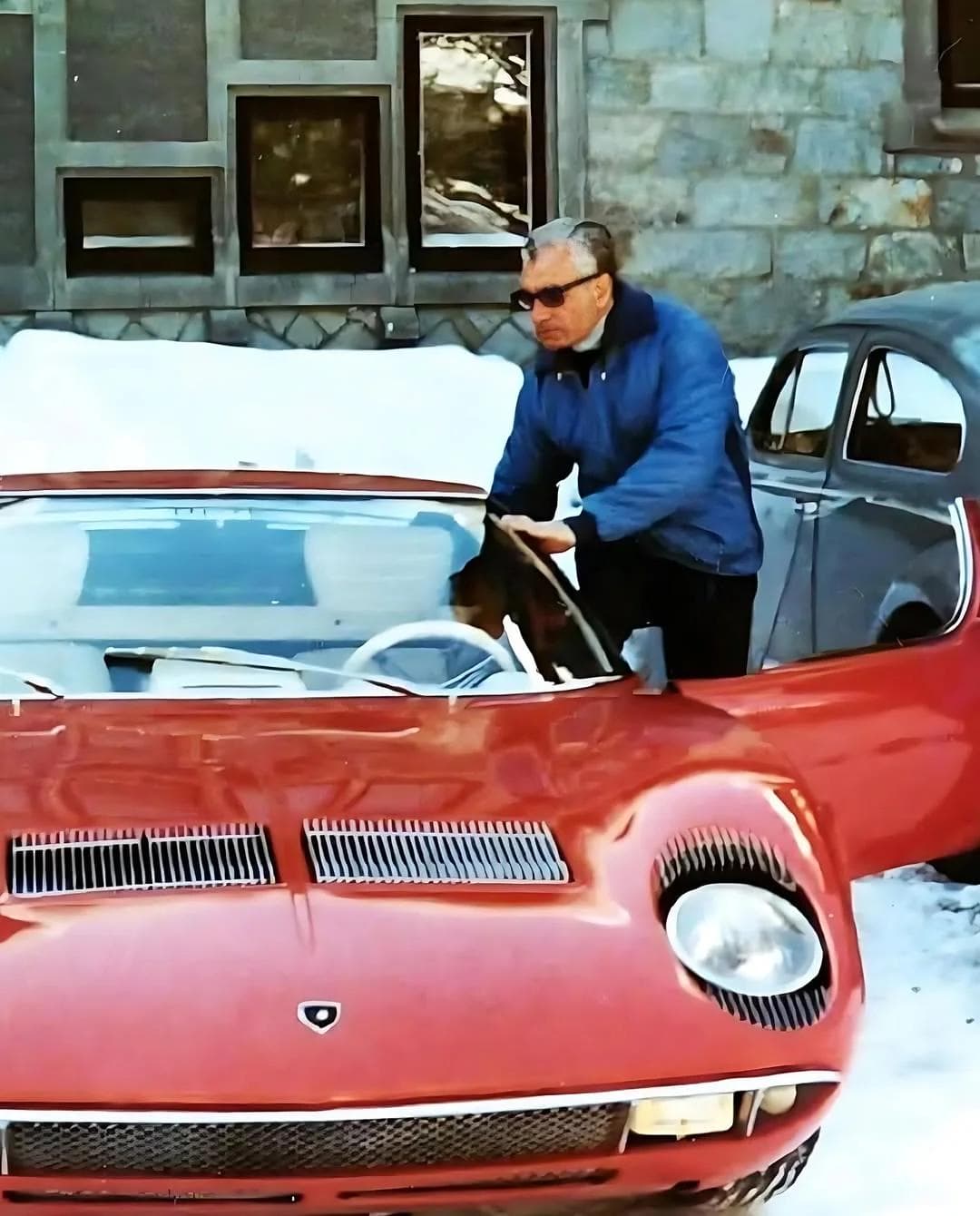
Other rare units have entered the private collector market. One example is the Shah’s 1971 Lamborghini Miura P400 SV Jota, one of only six original factory-spec Jotas produced. This specific car was famously purchased at an auction by actor Nicholas Cage in 1997.
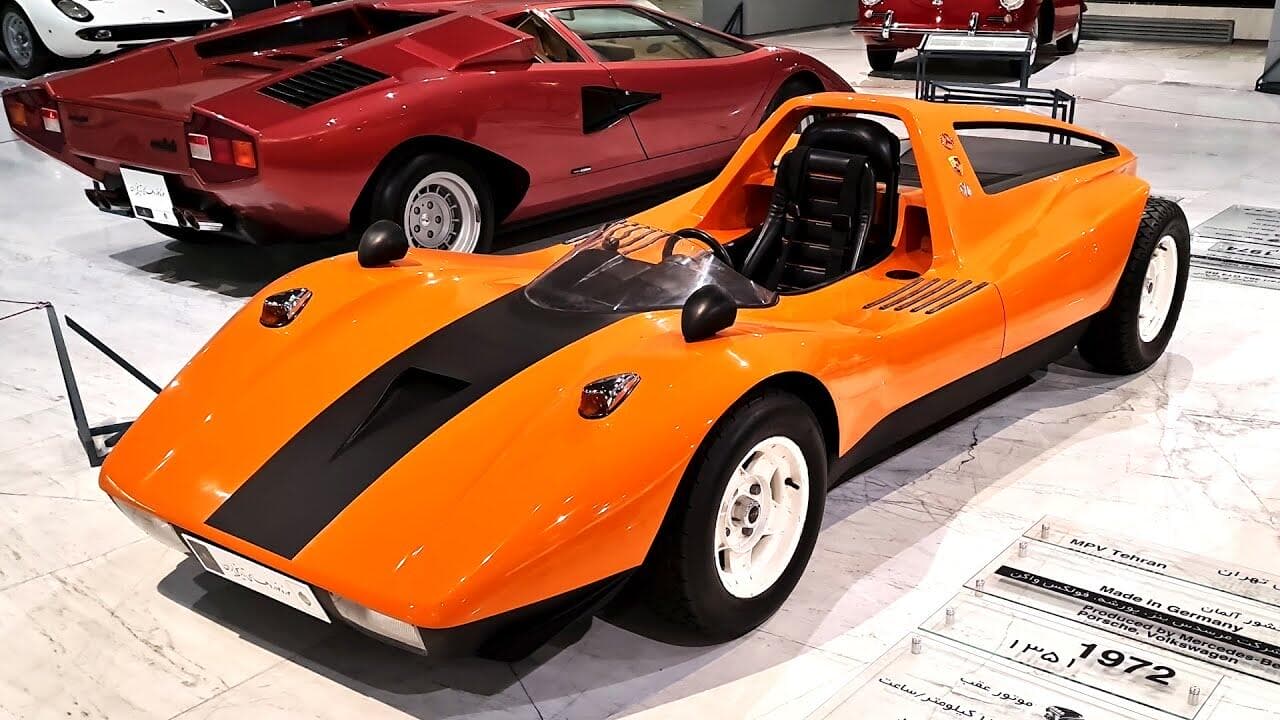
Within Iran, the museum continues to display approximately 50 vehicles. These include royal carriages used for Pahlavi coronations and unique technical collaborations like the MPV Tehran Type, a single-seater developed by Mercedes, Porsche and Volkswagen to teach the young Crown Prince how to drive.
The Museum
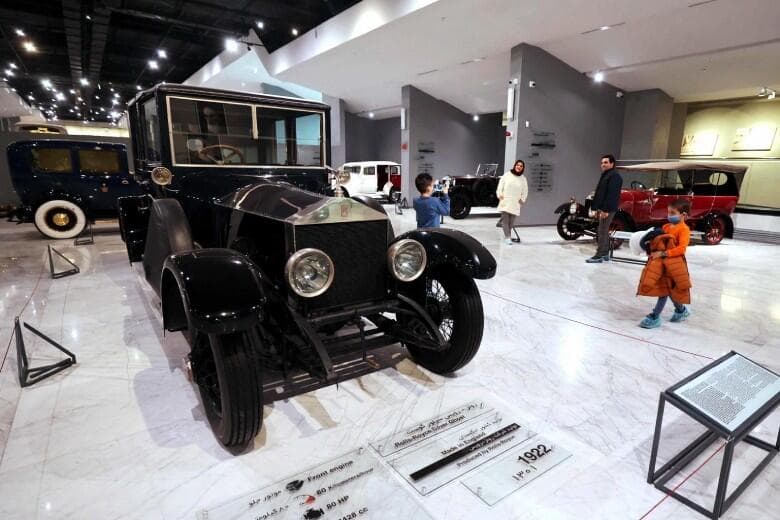
The Iran Historical Car Museum is located at Azadi Square, Special Karaj Road, in Tehran. Open to the public from 9:00 AM to 5:30 PM daily (except for Saturdays), it provides a rare look at an era of unprecedented automotive procurement preserved by political upheaval.
For more automobile reads, click here.