Selecting the best recent historical fiction books feels like a contradiction in terms. Historical fiction is a broad genre, encompassing thousands of years and spanning the entire globe. It can focus on the most well-known figures of all time or highlight everyday lives that don’t typically make it into textbooks. Ironically, historical fiction feels like a timeless genre—how can historical fiction be outdated or fresh?
Despite that, the genre has changed significantly over the decades, especially since the turn of this century. World War II historical novels are still a staple of book club reading lists, and there are always new angles to take on that setting, but we’re also seeing much more diversity in the kinds of people and places historical fiction highlights.
The best historical fiction books of the century so far take us from ancient Greece to the Joseon dynasty in Korea to the Six-Day War in Palestine to 1980s NASA astronaut training. Historical fiction continues to be biased towards recent events, but we are getting to see more of history around the world than we did just a few decades ago.
The huge scope of the genre made it difficult to put this list together. Our writers had a lot of debates about what historical fiction even is: Does it need to focus on a real historical figure? (We voted “no.”) How far back in time counts as “historical”? (The most recent time period we included is the 1980s.)
We also nominated many more books than made it onto this final selection. Until the last minute, we added and removed titles to try to curate a selection that represents the breadth of the genre. If you’re interested in which books ended up on the cutting room floor, All Access members will receive the full list of all of our nominations soon.
To make things even more complicated, historical fiction combines seamlessly with almost every other genre, including mysteries, fantasy, romance—even sci-fi. You’ll find some of these historical genre-blending titles below, but we prioritized books that are historical fiction first, with the other genres complementing that.
Here are our picks for the best historical fiction of the century so far.
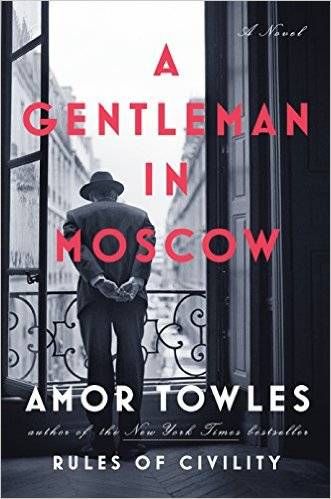
A Gentleman in Moscow
In this bestselling and book club favorite novel, Count Alexander Rostov is an “unrepentant aristocrat” and a “social parasite,” according to a 1922 Bolshevik tribunal. He’s sentenced to house arrest in a luxury hotel, watching from the attic windows as decades of Russian history play out on the streets below. The Metropol becomes his world, and he builds connections with the other guests, including a child fascinated with his stories of Russian princesses. Kirkus Reviews named this one of the 100 best novels of the century so far. In 2024, it was adapted into a Paramount+ TV series starring Ewan McGregor.
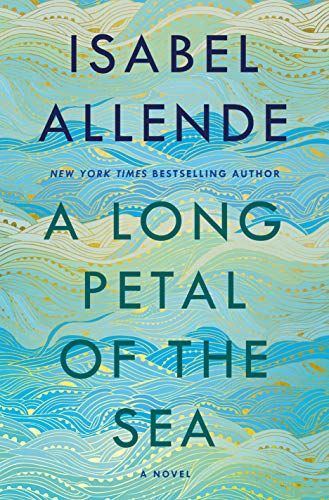
A Long Petal of the Sea
No list of great works of historical fiction would be complete without a novel by the inimitable Isabel Allende. A Long Petal of the Sea is an excellent example of her writing prowess, as it draws inspiration from Allende’s own family roots and loved ones in Chile. The story starts during the Spanish Civil War, where young Roser has recently lost her husband in battle. Alone and pregnant, Roser must rely on her brother-in-law, army doctor Victor, to escape the violence in their homeland. After escaping to a refugee camp, Roser and Victor are given the chance to start a new life in Chile by boarding a ship chartered by the poet Pablo Neruda. Inspired by real events, this sweeping story set across decades and continents is a must-read work by a literary legend.

A Thousand Ships
I’ve loved just about everything that writer, classicist, and comedian Natalie Haynes has ever written, but this is the book that made a fangirl out of me. Hayne’s retelling of the Trojan War gives voice to the women involved in the conflict, telling a non-linear tale through a dozen or so perspectives that include goddesses and both Greek and Trojan women. Spoiler alert: there are no winners here, as there rarely are for women in war. Haynes drives this fact home in a feminist retelling that gives a voice to the silenced, and that’s witty where you’d least expect it. If you’re a mythology nerd, this trip to ancient times is worth the price of admission.

All the Light We Cannot See
It takes a lot for a WWII-set novel to stand out, and Doerr’s novel, in addition to being a bestseller, won a multitude of awards. As a blind French girl and her father flee Paris to escape the Nazi occupation, they carry with them a very important jewel, taken from the museum where her father worked. Then there’s Werner Pfennig, an orphan in Germany who eventually translates his radio skills into a position as a German soldier tracking down the resistance’s radio transmissions. The two young people’s lives cross paths, but the resulting dynamic is not the one you’d expect.

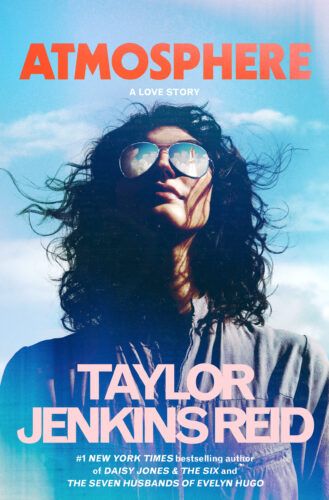
Atmosphere
I was hard-pressed to decide which Taylor Jenkins Reid book most deserved a spot on this list—Daisy Jones and the Six is a wildly fun ride and The Seven Husbands of Evelyn Hugo is brilliant, plain and simple. But Atmosphere is Taylor Jenkins Reid at her very best. It’s equal parts character study and romance, but it’s also an exploration of what life was life for queer people, for women, and for those working on NASA’s space shuttle program in the 1970s and ’80s. Atmosphere is a microcosm of a particular moment in history, and it epitomizes everything Reid does so well as an author.

Boxers & Saints
Gene Luen Yang, author of the award-winning graphic novel American Born Chinese, wrote this emotional historical graphic novel, Boxers, and its companion, Saints, which received the honor of National Book Award Finalist for Young People’s Literature. Yang does an exceptional job of covering the Boxer Rebellion in 1898 China. While Boxers follows the perspective of a boy who fights for the rebellion, Saints stars a Chinese Christian girl on the other side of the conflict. Both stories include elements of fabulism as Chinese gods, as well as the spirit of Joan of Arc, come to life within the tales. Gene Luen Yang and inker Lark Pien have created a beautifully illustrated and incredibly informative historical account of this important piece of Chinese history.

Cantoras
De Robertis has achieved something exceptional with Cantoras by writing about what it was like to live in Uruguay’s dictatorship through the lives of five gay women who are looking for family, solace, love, safety, and freedom. Reading this during the current downfall of democracy in the U.S. was alarming but also hopeful. There is a beautiful spirit woven throughout the entire novel about creating family, enduring, finding/making a refuge, and what the future can be. Very few books have left me holding them as if to hug them into my body forever the way Cantoras did. And for all the sprinkles on top, De Robertis beautifully narrates the audiobook.

Code Name Verity
This is one of the first historical fiction books I remember falling head over heels in love with as a teen. Wein carefully crafts a tale of suspense and betrayal before flipping the whole narrative on its head. Code Name Verity is a WWII novel and a spy story, but mostly it’s a story of friendship. This is one book where the less you know going in, the better.

Cutting for Stone
Cutting for Stone was published in 2009, and it stayed on The New York Times Best Seller list for two years. In 2011, President Barack Obama included it on his list of five summer vacation reads. This story begins in 1954 Ethiopia, where an Indian nun dies while giving birth to twin boys, Marion and Shiva. Their surgeon father abandons them, and they are taken in by two doctors. Both brothers grow up to practice medicine, but betrayal drives them apart, and the Ethiopian revolution leads them to different continents. Verghese is a professor of medicine, bringing a realism and specificity to the medical descriptions that set this story apart.

Esperanza Rising
It’s the 1930s, and young Esperanza is living a privileged life on her family’s Mexican ranch. But when her father is murdered, everything turns upside down. Esperanza, her mother, and their former servants must flee to California. While they find agricultural work in a Mexican labor camp, the Great Depression has completely changed their financial situation. Esperanza struggles to find peace in her new life, but her mother falling ill and a rising labor strike force her to pull from her own inner strengths. It’s a moving, layered story that explores this multidimensional historical era through the eyes of a young immigrant girl.

Fingersmith
I don’t say this lightly: Fingersmith is the best book I’ve ever read. It follows Sue, a petty thief in Victorian London who is taking on the con of a lifetime. She’ll pose as a lady’s maid for Maud and convince her to marry a man calling himself Gentleman, the mastermind of this operation. Then, Gentleman will put Maud in an asylum, and he and Sue will split her vast inheritance. Things get complicated when she begins to fall for Maud. Sarah Waters’s stunning writing is reason enough to pick this up, and the romance is unforgettable, but it’s the twisty plot packed with reveals and betrayals that elevates this to a modern classic.
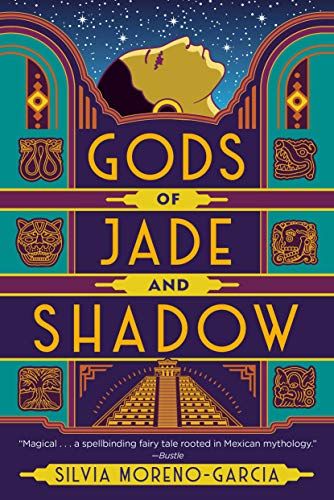
Gods of Jade and Shadow
Fantasy
Deciding which of Silvia Moreno-Garcia’s novels to add to this list felt like picking a favorite child. There’s Silver Nitrate, her occult thriller set in 1990s Mexico, or Mexican Gothic, the gothic horror masterpiece that took her career to new heights. But if you ask me, Gods of Jade and Shadow is Moreno-Garcia at her best, the story of a young woman with big dreams in a small Mexican town who unwittingly unleashes the Mayan god of death. SMG weaves legend and fantasy with a Mexican setting in this epic, cross-country journey through Jazz Age Mexico, one that I hope will encourage publishing to make more space for Latine mythology and folklore. You can’t go wrong with most of this author’s catalog, but this one is something special.
Hamnet
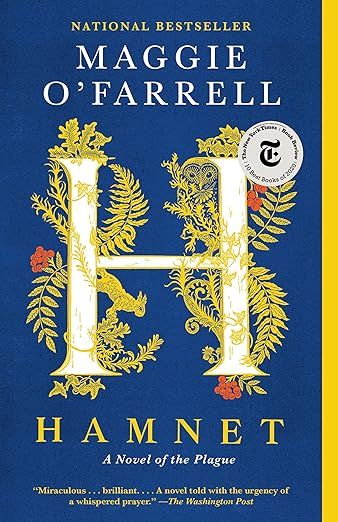
William Shakespeare had three children: a daughter, Susanna, and twins, Hamnet and Judith. Hamnet died tragically in childhood, though the cause of his death is unknown, and “Hamnet” and “Hamlet” were effectively the same name in Elizabethan England. Maggie O’Farrell takes those spare facts and spins them into a stunningly beautiful and heartwrenching story of that unimaginable loss and its aftermath. This isn’t a book about Shakespeare—the bard is never actually named in the novel, centering Agnes (known to history as Anne Hathaway) instead. The result is an intimate and immersive portrait of marriage, loss, art, and soul-shaking grief that made me put a hand to my chest more than once.
Homegoing
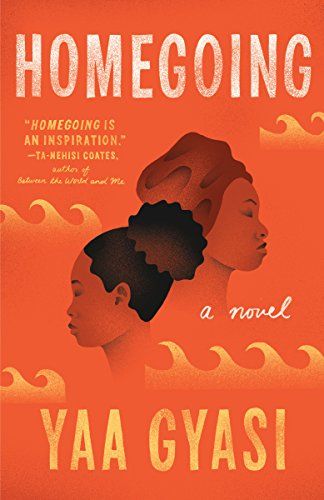
I compare every multigenerational saga I pick up to Homegoing. It’s not fair, and I don’t mean to, but that’s what happens when you encounter a once-in-a-lifetime read. How rare it is to find a sweeping saga that deftly takes us from distant ancestral history to the present day, collecting generations of characters and stories into a cohesive and moving debut novel. In 18th century Ghana, one sister is enslaved and stolen away to America while the other sister remains after being married off to an Englishman. We follow their stories and the stories of their descendants to a powerful conclusion.
How Much of These Hills Is Gold
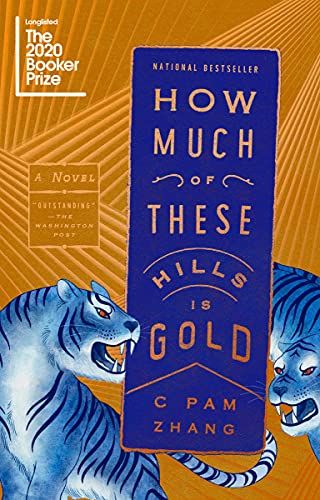
Set during the U.S. Gold Rush’s final gasp, this lyrical debut follows Lucy and Sam in California. Their father “thought the yellow grass of this land, its coin-bright gleam in the sun, promised even brighter rewards.” To bury him and start over, the first-generation orphans, 11 and 12, navigate stark landscapes, many cruelties. With golden prose, this coming-of-age novel, a western like no other, examines family, gender, loss, mythology, and secrets. It transformed me into an instant fan of Zhang. The range of the 5 Under 35 honoree—whose dystopian follow-up, Land of Milk and Honey, released in 2023—has me ever-excited about what’s next.
James
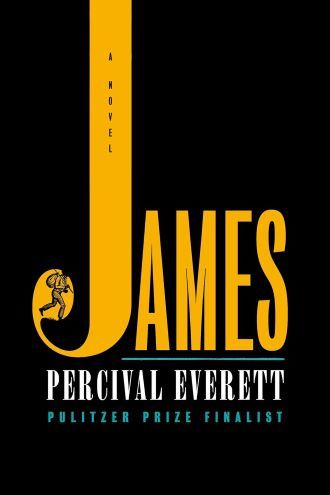
What can I say that hasn’t already been said about Percival Everett’s multi-award-winning reimagining of The Adventures of Huckleberry Finn? Telling Mark Twain’s classic tale through the voice of “Jim,” Everett reclaims a story of a Black man enslaved and determined to secure freedom for his family. The literary world has heaped so much deserved praised on this instant classic, so I’ll offer something more personal. This book was a gift to my younger self who read the original and felt unsettled by the telling and teaching of Jim’s story, and who would have greatly benefitted from the perspective we find in James.

Last Night at the Telegraph Club
We already named this one of the best romance books of the century so far, but in addition to the memorable love story, Telegraph Club shines in how firmly it is rooted in time and place; it could not take place anywhere other than San Francisco in the 1950s. Teen Lily Yu struggles to reconcile her budding romance with a female classmate with her role as the “good Chinese girl” at home. She faces racism at the local lesbian bar, and homophobia in Chinatown. Meanwhile, her father faces deportation for being swept up in the Red Scare, and her aunt develops technology for the space race. This is a beautifully written story that will transport you.
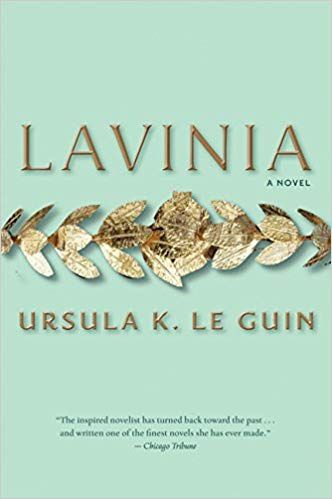
Lavinia
Ursula K. Le Guin was doing the retelling thing (and generally blazing trails all over the place) long before it was cool or trendy. Set in ancient Italy, the Locus Award-winning novel gives a voice to Lavinia, the Latin princess who marries Aeneas in The Aeneid. Lavinia is a minor character in Virgil’s epic poem who never speaks, but in Le Guin’s hands becomes a fascinating heroine, a woman whose fate was shaped by prophecy and, it turns out, had feelings about that (go figure!). Le Guin’s Lavinia is grounded and practical, vibrant and brave, drawn with prose as powerful as it is measured. This was the first Le Guin I ever read, and it made me go, “Oh, I get it now,” when I was done.
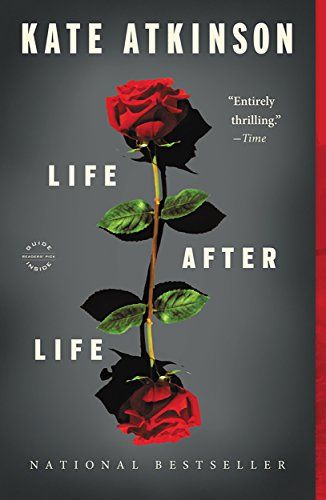
Life After Life
What’s better than a remarkable historical novel rich in detail? One where the main character lives over and over, so you learn many aspects of the time period. In 1910, Ursula Todd is born but dies immediately. Then she is born again, and lives a little longer. Each time this happens, readers learn more of Ursula’s life, her family, her dreams, her loves and losses. It’s an incredible mechanism to remind readers about both the frailty of life and the grand magnificence of it. There are few books I’ve read where it seems like the author must have lived the history themselves, because how else could it feel so real. This is one of them.

Mademoiselle Revolution
Mademoiselle Revolution is a brilliant novel that touches on the Haitian Revolution, the French Revolution, and the complex intersections of racism and identity. Through the biracial daughter of a plantation owner fleeing the Haitian Revolution, Sivak explores how a person can be simultaneously marginalized and complicit in the marginalization of others. Absolutely riveting historical fiction.
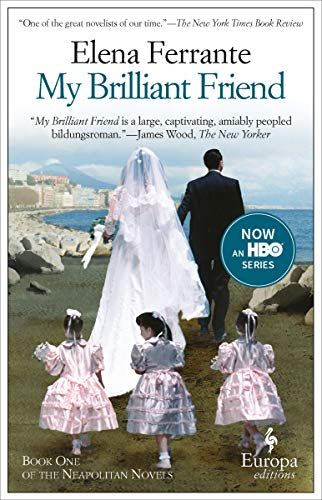
My Brilliant Friend
Italian author Elena Ferrante should be canonized for pulling off two amazing literary feats. One: her real identity has remained a secret for more than 30 years. (Spoiler: It’s Banksy.) Two: She’s written four of the most amazing works of the last 15 years. Her Neapolitan Novels, starting with My Brilliant Friend, are gorgeous, emotionally wrenching books. They follow the narrator, Elena, and her friend, Lila, from their early years growing up in a poor section of Naples through five decades of their lives. They are masterclasses in storytelling, both withholding and luxuriant, and skillfully document the complexities of friendship.

One Crazy Summer
This middle grade historical novel won the Coretta Scott King Award and the Scott O’Dell Award for Historical Fiction and was a Newbery Medal Honor Book and a National Book Award finalist for young people’s literature. It follows three sisters as they spend the summer of 1968 in Oakland with their estranged mother. They expect to go to Disneyland and meet Tinkerbell. Instead, they learn about their mother’s work with the Black Panthers. This acclaimed trilogy is often taught in schools, and it earned a starred review from Kirkus Reviews, School Library Journal, and Booklist. In 2025, One Crazy Summer was adapted into a graphic novel.
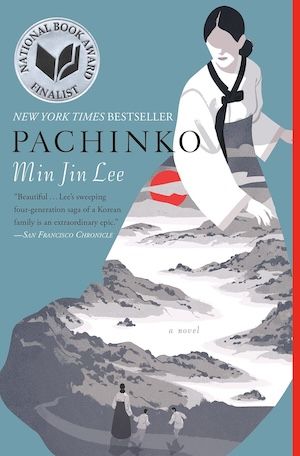
Pachinko
This moving historical saga by Min Jin Lee won several accolades, including a National Book Award finalist nod. The story stands out in its genre for its incredible breadth of Korean history, following multiple generations of a Korean family for nearly 100 years while also offering significant depth within each character’s story. After a fisherman’s teen daughter, Sunja, falls for a married man with a notorious reputation and becomes pregnant, she marries a kind yet sickly minister and heads to Japan. The story provides such a nuanced and emotional window into the devastating dynamics between Korea and Japan in the 1900s. The characters’ resilience in the face of hardship filled me with hope while reading, and these characters have stayed with me ever since.

Persepolis
Satrapi’s memoir, told in black and white comics, is a look at life in Tehran, Iran, before and during the Islamic Revolution. The best-selling, oft-banned story marries what it is to be a witness with what it is to be a survivor. But why include a memoir on a list of influential fiction? Persepolis asks us to consider the lines between fiction and nonfiction. This is a true story based on true history. It’s also peppered with fictionalized dialog and scenarios—sometimes necessary elements in memoir. The story in the book and the story we tell about the book are nuanced, complex, and a reminder of how human our need to categorize really is.
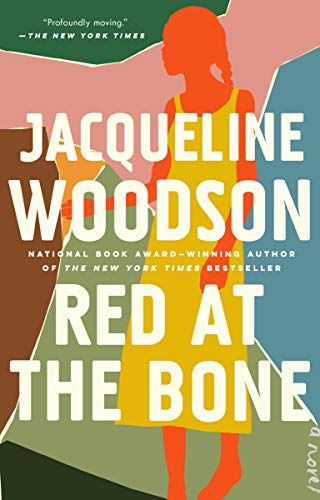
Red at the Bone
Jacqueline Woodson is a remarkable storyteller best known for her children’s books. But Red at the Bone is proof of Woodson’s ability to write powerful stories about the lives of young people for readers of all ages. In this historical drama, we meet two families drawn together by a teenage pregnancy that forces all of them to reconsider what it means to build a better world for the next generation. Woodson’s writing, spare yet revelatory, introduces an intricate cast of characters striving for better across decades in 20th-century Brooklyn. It’s a poignant story about the choices young people are forced to make before they’ve even grown to know themselves.
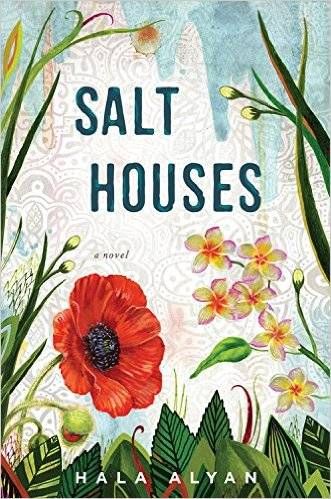
Salt Houses
It all starts with Salma reading her daughter Alia’s coffee dregs, on the eve of her wedding. She looks into the cup, sees what’s written there, and lies. The story unspools from 1967 into the present of several generations of Palestinians displaced from Jaffa to Nablus to Kuwait City to Paris, Beirut, and Boston. Alyan is a poet—her instinct for flow and verse charges every chapter. Salt Houses is a time-spanning tale that is one of my all-time favorites for its emotional richness and complex characters who each wrangle with tradition, displacement, family, and loss in their own unique way.
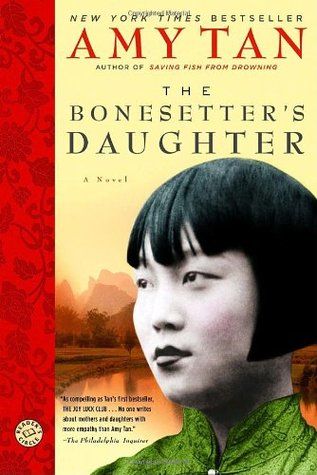
The Bonesetter’s Daughter
The best historical fiction immerses us in the past, while revealing important aspects of the present. Amy Tan is best known for The Joy Luck Club, but her 2001 novel does exactly this, while returning to themes of immigration, mother-daughter relationships, and family secrets. Ruth is a Chinese American woman caring for her mother, Lu Ling, with Alzheimer’s. She deeply resents her own childhood, but reexamines her mother after finding Lu Ling’s handwritten memoir detailing a brutal childhood in pre-revolutionary China. By the last page, Ruth and the reader understand how the past, even when kept secret, continues to influence the present.

The Book Thief
It’s rare for a book to find a comfortable audience across ages and demographics, but this unique, ambitious story about the power of literature in the darkest moments of history has left its mark with both teen and adult readers. Narrated by Death—who balances his inherent scariness with an element of care—this modern classic follows Liesel, a young girl living through the rise of Nazi Germany. Liesel, whose life is unsettled and full of unimaginable tragedy, finds meaning and solace through books—those she steals and those she shares along the way. The Book Thief is a reminder of how words can and do truly change us as humans.

The Buffalo Hunter Hunter
Horror
This history-horror blend will have you rooting for the monster. At least, the more familiar mythological one, since the real monsters here are the ones who massacred 217 Blackfeet in the late 19th century. Through a Lutheran pastor’s diary found in 2012, we learn of Good Stab, a Blackfeet man who eventually quells his bloodlust through revenge. But first, he tells the tale of his unnaturally long life to the aforementioned pastor in 1912.
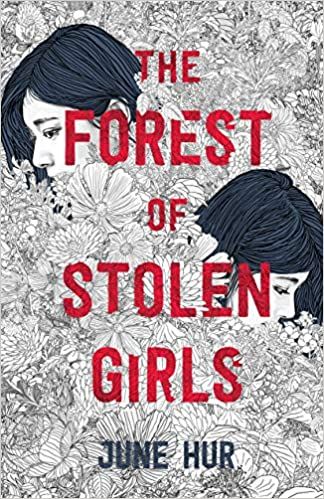
The Forest of Stolen Girls
For years, June Hur has written one amazing award-nominated YA novel after another, all set in Korea’s Joseon period and rich with drama, history, political machinations, and mystery. The Forest of Stolen Girls, Hur’s superb second novel, is riveting. In 1426, Hwani and her sister were found unconscious in the forest near a crime scene, with no idea what happened. Years later, when their detective father learns many more girls have gone missing in that same area, he investigates—only to vanish himself. Hwani thinks the answer lies in her locked memories of that day in 1426 and is determined to find him. You’ll be stunned by the solution.
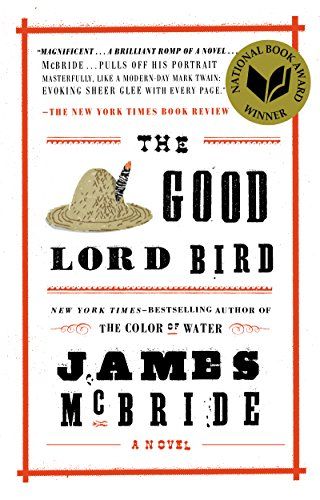
The Good Lord Bird
James McBride’s bibliography is wide-ranging in focus and genre, but his strength is in building characters and weaving an excellent story. His focus on a watershed moment in the lead-up to the Civil War blends fact and fiction through the eyes of a child. Henry has to go on the run and gets wrapped up in the abolitionist work of John Brown, but Brown thinks he’s a girl and calls him Little Onion. It’s a dangerous situation for Henry, but he’s also on an adventure and is with a group of people who believe in a better world.
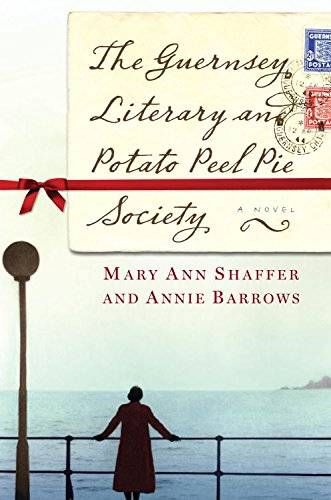
The Guernsey Literary and Potato Peel Pie Society
This is a big-hearted work of historical fiction that showcases a lesser-known aspect of WWII: the German occupation of Guernsey and the Channel Islands and the local resistance against it. It’s a beautiful example of what an epistolary novel can do and a modern classic of the genre, blending real history with fanciful fictional details and an enchanting romance.

The Inheritance of Orquídea Divina
This beautiful work of magical realism and fantasy is bursting with heart, the crown jewel of Córdova’s prolific (and impressive) catalog. When the matriarch of the Montoya family summons them all to her funeral, they arrive to find her slowly transforming into a ceiba tree. As she prepares for her final transition, she bequeaths each of them with an unconventional inheritance. The story alternates between Orquidea’s past and the family’s present, revealing how the gifts she left her descendants have shaped their lives—and the mystery she left them to solve. I wish I could read this book for the first time again, like I hope you will do now.

The Kite Runner
Decades after its release, I still hear and see The Kite Runner being discussed. It follows the friendship between two boys—the wealthy Amir, and the son of Amir’s father’s servant, Hassan. As the two boys grow up, their dynamic morphs from sweet playtime into something marred by their differences in class and Afghanistan’s worsening politics. One day, something happens between the two boys that may never be forgiven.
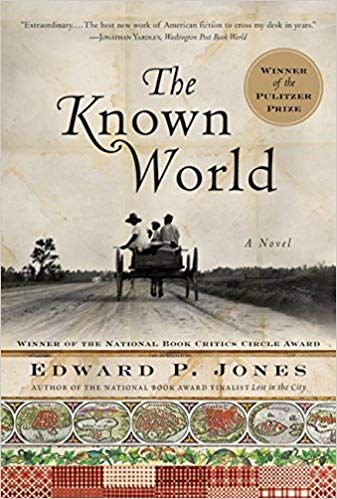
The Known World
I don’t even know what is on this list yet but I’m gonna go ahead and say this is the best book on it. It’s simply a marvel of literature, and its many accolades include a Pulitzer Prize, a National Book Critics Circle Award, and an International Dublin Literary Award. The Known World is a novel about slavery and the little-known history of Black slave owners, told through Henry Townsend, a former enslaved man in antebellum Virginia with his own plantation, and later, his widow. The novel is an astounding look at grave injustices and human rights, with complex characters and a story that will stick to your brain the rest of your days.

The Last Nude
My favorite setting to read about in historical fiction is 1920s Paris. The Last Nude is based on the life of Art Deco painter Tamara de Lempicka, and it made me fall in love with Ellis Avery as an author and de Lempicka as an artist. It’s about her relationship with one of her models, Rafaela, who was the inspiration for six paintings. It’s beautiful and melancholy, and completely pulls you into the setting—what I wouldn’t give to spend five minutes in the queer art scene of 1920s Paris. It will make you think about art, doomed romance, discovering your sexuality, our relationships to our bodies, queer history, and the nature of betrayal.

The Lilac People
Atonement by Ian McEwan is one of the most well-known WWII historical fiction books of this century: the 2001 novel was shortlisted for the Booker Prize, was made into an Oscar-winning movie, and Time named it one of the 100 greatest novels of all time. Given how many award-winning books have been written in this setting, it can feel like every possible angle has been covered—but The Lilac People proves that idea wrong. It follows trans men struggling to survive both Nazis and Allied forces, revealing the little-known history of Allied forces keeping queer Holocaust survivors imprisoned. This is an original and much-needed addition to the genre.
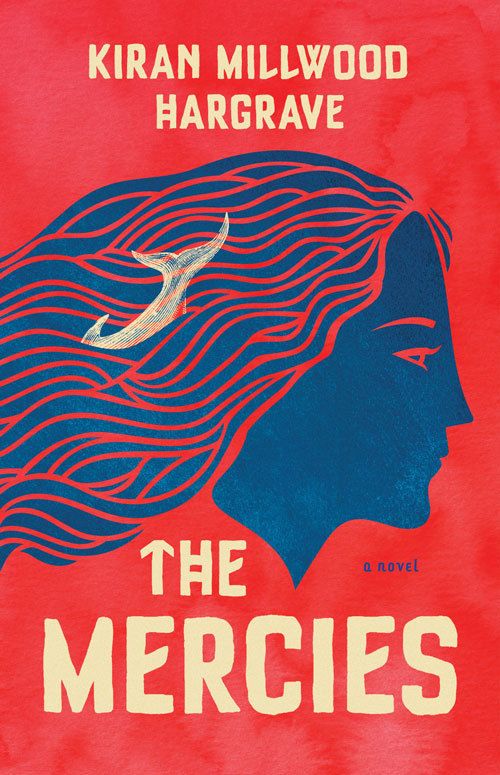
The Mercies
In 1617, nearly all the men of Vardø, Norway are killed in a freak storm off the coast. The women of the isolated town have to come together and overcome grief and any anxiety around gender roles to survive—but when a witch hunter comes to town, everything risks crumbling. This is a true story that Hargrave brings into vivid life, from the bleak, cold seaside to the subversive characters. This is a book set centuries ago but infused with a very familiar-feeling modern story: of queerness, radical womanhood, and a patriarchal status quo determined to stamp out anything that threatens it.
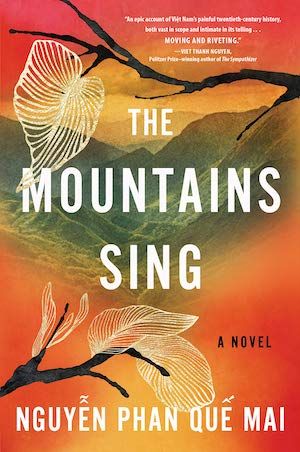
The Mountains Sing
The Vietnam War has provided inspiration for many bestselling historical novels, but few of those bestsellers have come from Vietnamese authors. Nguyễn Phan Quế Mai broke through the whitewashing of the Vietnam War with The Mountains Sing, a stunning multigenerational saga following the Trần family across decades and many twists in fate. Trần Diệu Lan ran from the only home she’d known on her family farm in North Vietnam to save herself and her six children. But as she ran, she was forced to make impossible choices. We watch Trần Diệu Lan’s journey to reunite her family in this breathtaking story of grief, healing, and forgiveness.

The Nickel Boys
It was hard to choose between Whitehead’s The Underground Railroad and The Nickel Boys, both of which won award after award and set the Book World ablaze. Ultimately, though, The Nickel Boys, and its coverage of a topic not often discussed, won out. In the 1960s, Elwood is young, Black, and set to start college when he makes an innocent mistake and is sent to a hellish boys’ reform school, which is based on the very real one in Florida that ruined countless lives through emotional and sexual abuse for more than 100 years. It’s there that Elwood’s idealism goes up against the horrors of a place where boys can get disappeared “out back.”
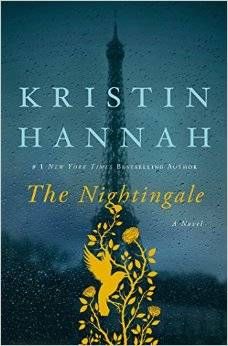
The Nightingale
Kristin Hannah has published 20 books since 1991, but it was her 2015 novel that made her books a permanent feature of book club reading lists and paperback favorites bookstore displays. It follows two sisters in 1939 France. After Vianne’s husband leaves to fight in the war, France is invaded, and Vianne and her daughter are forced to live with SS officers who occupy their home. Meanwhile, 18-year-old Isabelle is betrayed by her first love and risks her life by joining the Resistance. The book has sold more than 4.5 million copies, and a movie adaptation starring Elle and Dakota Fanning is scheduled to be released in February 2027.
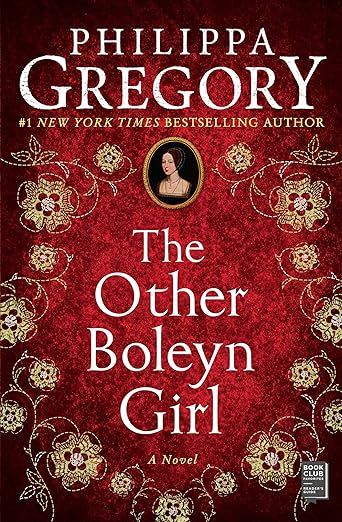
The Other Boleyn Girl
Mary Boleyn never expects to fall in love with King Henry VIII. But soon she becomes the king’s mistress and mother of his children. Just as quickly, Henry’s affections shift to her sister, and Anne wants to be Queen of England. Heartbroken, Mary gives up her love to further her family’s quest for power. But if Anne can’t give Henry a son, they’ll all be in danger. This bestseller sold over a million copies, inspired 15 more books in the series, and led to a film adaptation with Scarlett Johansson and Natalie Portman. Is it the most historically accurate story? No! But it brings the Tudor Court and these complex female characters to life.

The Queen of the Night
The minutes and hours fly by when you’re in the company of Alexander Chee’s masterful work of historical fiction. This story about a 19th-century soprano’s rise to glory at the Paris Opera, her quest for immortality, and the wild and secret past lives that could make or break her brims with intrigue, atmosphere, and irresistable mystery. It’s no small feat to turn a story as outlandish as Lilliet Berne’s into the stuff of legend, but Chee gives us the juicy details and strong throughline to make it so. What a wild, breathless, unforgettable ride.
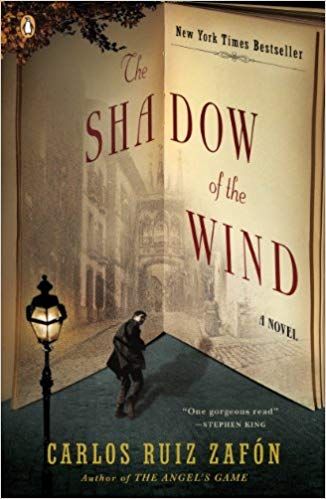
The Shadow of the Wind
An antiquarian book dealer’s son in mourning finds comfort in a mysterious book. Wanting more of where that came from, he sets out to find the author’s other works and discovers that someone is destroying every copy of every book the author has written. So begins a quest to determine who is doing this and why that sends the young man on a journey into the darkest parts of Barcelona. This is one of those classic “book lover books,” a book about books and a compelling mystery with a touch of magic and romance set against the backdrop of Barcelona in the aftermath of the Spanish Civil War.

The Song of Achilles
The Song of Achilles deserves every accolade it earns and every bump in the bestseller charts. It won the Women’s Prize for Fiction in 2012 and it is one of the first books that BookTok sent into the stratosphere.
We all needed a book that emphasizes the love story between hero Achilles and exiled prince Patroclus from The Iliad. It will break your heart that Achilles chooses glory and destiny to fight in the Trojan War over peace and Patroclus. The book will break your heart over and over, and you’ll be glad for it. It also feels like it may have helped raise the profile of feminist and queer reframings of mythological stories.
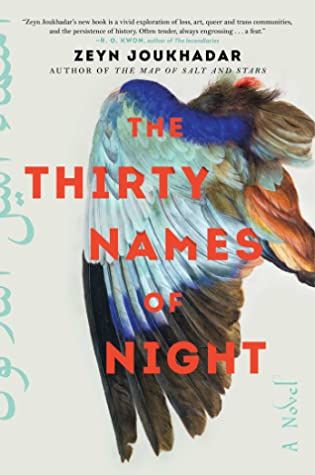
The Thirty Names of Night
Bursting with ghosts and birds, Joukhadar’s poetic novel alternates between two timelines. In contemporary New York City, a Syrian American trans boy grieves his mother who died in a strange fire five years prior, and an illustrated journal uncovered in Little Syria divulges the mysterious life of Laila Z, a Syrian American bird painter who wrote to “B” about the U.S. and disappeared over half a century ago. Adorned with medals for the Stonewall Book Award and the Lambda Literary Award for Transgender Fiction, this hopeful story of ongoing conversations with beloveds delves into art, community, ornithology, personal histories, and resilience.
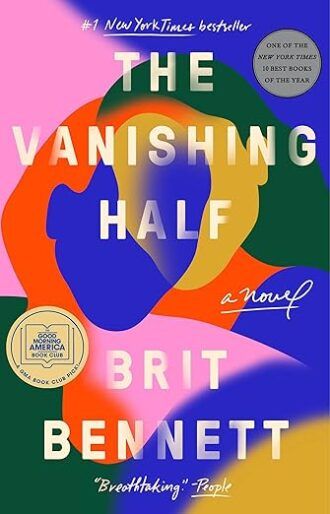
The Vanishing Half
The inseparable, identical Vignes twins run away from home at 16. But when one has the chance to pass as white and marry her affluent boss, she completely vanishes from her sister’s life. Meanwhile the twin who’s left behind eventually returns home a single mother and faces ridicule and criticism from her light-skinned, Black community for her darker skinned child. This novel debuted as a number one bestseller and spent most of 2020 on the lists. The many ways these sisters and their daughters’ lives intersect and diverge made this multigenerational story a suspenseful page-turner, examining race and colorism with nuance and specificity.

The Wednesday Wars
Holling Hoodhood is the only student in his seventh grade class who doesn’t leave early on Wednesdays for religious instruction, and thus, he’s forced to read Shakespeare with his teacher. Month by month, readers ride alongside Holling as he both struggles to understand what he’s reading and why his teacher is doing this to him. He works hard, though—it’s an escape from a teetering home life—and over the course of the year, Holling’s confidence and capacity to understand other people grows exponentially. Set during the Vietnam War, this middle grade gem leaves readers laughing one moment and in tears the next.

Wolf Hall
This is the most harrowing novel about Henry VIII’s remaking of England, but through the perspective of Thomas Cromwell. Mantel deftly explores how Cromwell worked his way up to the role of Henry’s trusted advisor during a turbulent time. While Henry is doggedly pursuing Anne Boleyn, the Catholic Church fails to reassert control, and Cromwell makes the decision to follow the king. However, the difficulty with becoming the watchdog of a mercurial ruler is that he may turn on you. The brilliance of this book is how it takes on familiar historical figures and goes deep on their complex motivations.
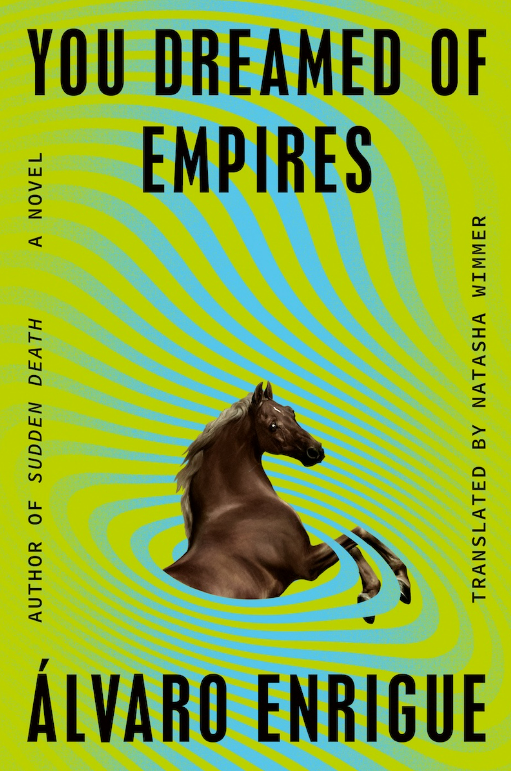
You Dreamed of Empires
This book is fabulism at its finest. Enrigue flips the story of the Spanish conquistadors’ invasion of Tenochtitlan on its head, envisioning a history that could’ve been in a hallucinogenic mushroom-fueled haze. You Dreamed of Empires blurs the boundaries of historical fiction to show everything the genre can do when pushed to its absolute limits. It’s a genius work of fiction.
View Original Source Here