
Direct measurements show that electrosolvation forces can bring particles together and holds them in long-lived bound states
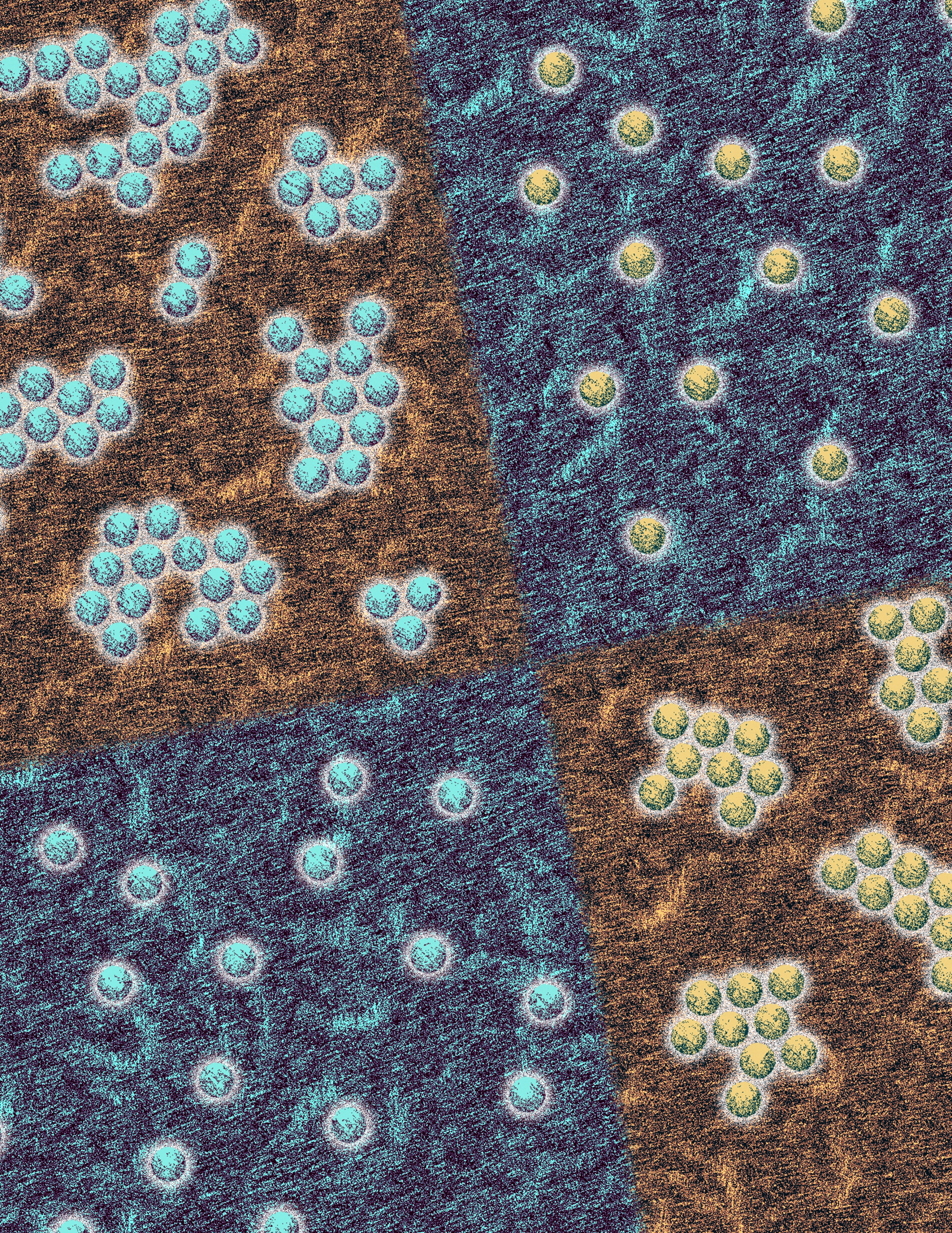
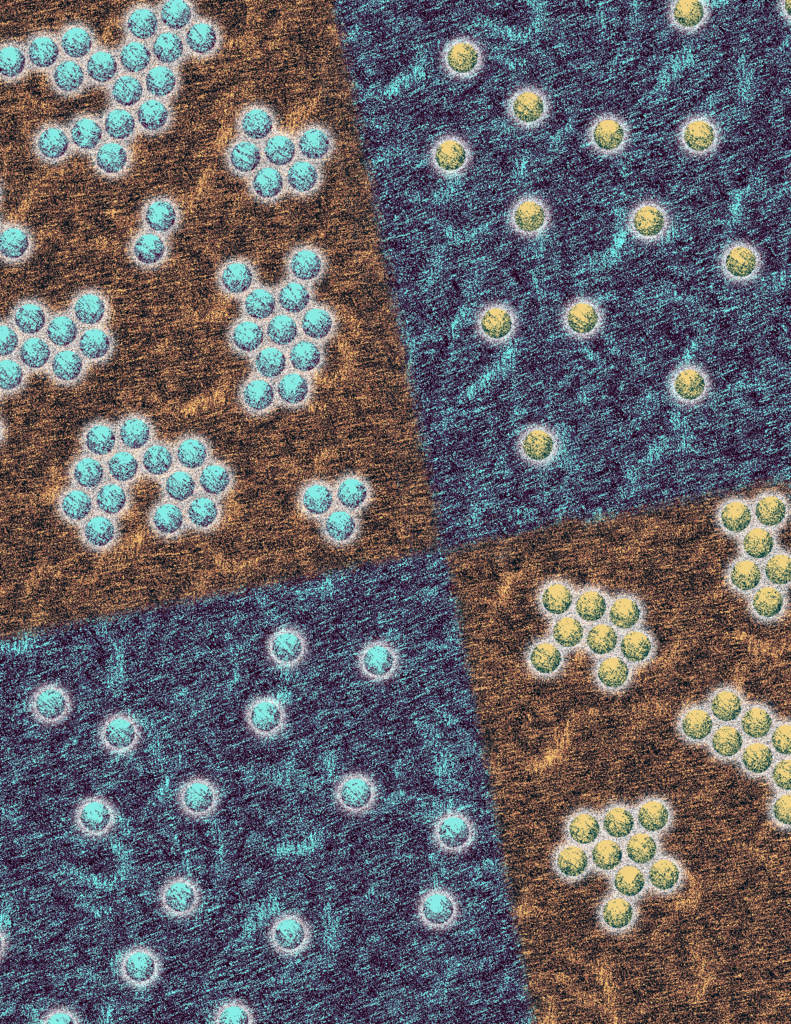
A fundamental theory in electrostatics is that two particles with the same charge will repel and two particles with opposite charge will attract. This idea is built into most models that describe how particles behave in liquids. Yet over the past several decades, experiments have revealed that like charged particles can attract each other in solution, forming clusters that standard theories cannot explain.
In this work, researchers explore this unusual phenomenon and find that the attraction between like‑charged particles is strong, long‑ranged, and sensitive to the particles’ surface chemistry and size. Using optical imaging, they directly observed how pairs of charged microscopic spheres interact in different liquids with high precision. They tested particles with various surface coatings, including DNA and lipid bilayers, the same material that forms cell membranes.
Conventional electrostatic models treat the solvent as a uniform medium with a single dielectric constant, but real solvents (such as water) have structure, form hydrogen bond networks, orient themselves around charged surfaces, and can exhibit long‑range correlations. This research suggests that the way water molecules organise around charged surfaces creates an additional attractive force, known as the electrosolvation force. DNA coated and lipid coated particles show especially long‑range attraction, indicating that the interaction depends not only on the solvent but also on the chemical and structural properties of the particle surface.
Overall, this work shows that like charged particles can attract each other over unexpectedly long distances, something current theories say should not happen, revealing a missing piece in our understanding of electrostatic forces in liquids. These insights could reshape models of biological self-organisation and help explain how molecules such as DNA, RNA, and membranes naturally cluster and form structures inside cells.
“We are really excited about this emerging discovery and the possibility that what has been uncovered so far on interactions in fluids may be just the tip of the iceberg…” – Professor Madhavi Krishnan, University of Oxford
Do you want to learn more about this topic?
Assembly of colloidal particles in solution by Kun Zhao and Thomas G Mason (2018)