Expert insights reveal why VSC converters and evolving semiconductor devices will dominate HVDC
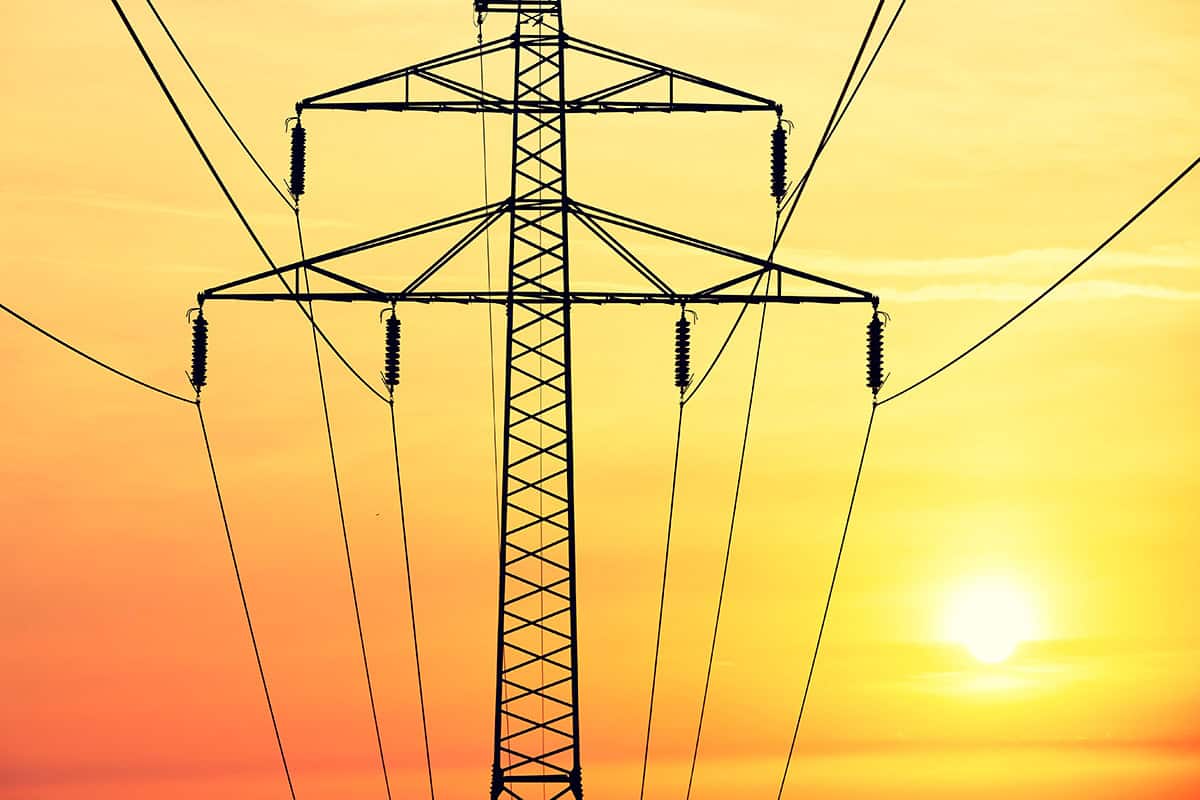
High‑voltage transmission systems are a key part of power grids, transporting electricity from where it is generated to where it is used. Electricity is moved at high voltage and low current to reduce losses and improve efficiency. These systems are essential for grid stability, integrating renewable energy, and enabling long‑distance power transfer. There are two main high‑voltage direct current (HVDC) technologies: line‑commutated converters (LCC) and voltage‑source converters (VSC). LCCs are an older technology that use high‑power semiconductor switches called thyristors and are suited to very large power transfers. VSCs are a newer technology that use insulated‑gate bipolar transistors (IGBTs), allowing faster control of power flow, better stability, and more compact converter stations.
In this study, the researchers interviewed thirteen leading experts to understand which HVDC technology is likely to dominate in the future, how semiconductor devices may evolve, and what cost or supply issues might arise. The experts agreed that thyristors used in LCCs are a mature technology with limited room for improvement, and that demand for LCC systems is declining in North America and Europe, though they will remain important in regions requiring very high‑capacity transmission such as China and India. In contrast, IGBTs used in VSC systems are expected to continue improving, particularly in reliability, packaging, and voltage capability, reflecting the growing use of VSCs in Europe and North America. Some experts even suggested that VSC converter stations may now be comparable in cost to, or cheaper than, LCC stations, and that further improvements in IGBT cost and performance could reduce VSC system costs further.
There was debate about whether silicon‑carbide (SiC) MOSFETs could eventually replace IGBTs in VSC systems. While SiC devices offer advantages in high‑frequency applications, they currently cannot handle the very high currents required for HVDC, and challenges remain in packaging and long‑term reliability. Experts also noted that although global demand for power electronics is rising, this is unlikely to constrain HVDC development; instead, shortages of other components, particularly high‑voltage transformers, may pose greater risks. Overall, this research clarifies which power‑electronic technologies are poised to shape the next generation of HVDC systems and highlights why future grids are expected to rely increasingly on VSC converters and advanced semiconductor devices.
Do you want to learn more about this topic?
Application of reinforcement learning in planning and operation of new power system towards carbon peaking and neutrality Fangyuan Sun et al. (2023)