Be warned, as major spoilers for Disclosure Day lie ahead.
Steven Spielberg returns to his alien roots by way of his latest film, Disclosure Day, and it’s another sweet endeavor from the maestro of movies. This thrilling and tender piece of work not only poses the question of what would happen when humanity learns of the existence of otherworldly beings but also ponders themes like empathy and shared trauma. In addition to all that, Spielberg utilizes journalism within the narrative and, while it might seem simple or idealistic to some, I really appreciate how news comes into play here.

Why I Appreciate Steven Spielberg’s Use Of Journalism In Disclosure Day
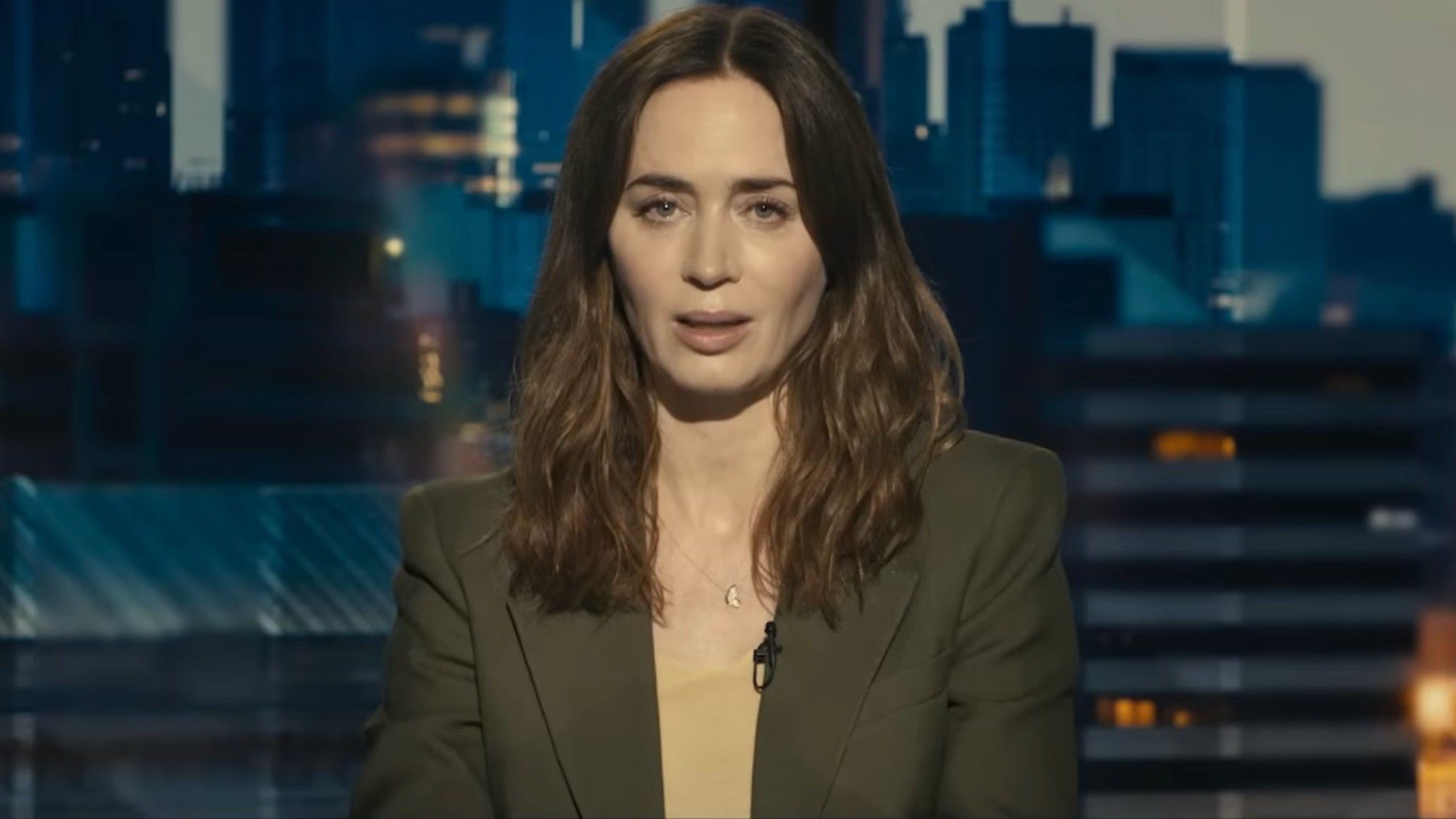
One of this 2026 movie schedule entry’s key characters is Margaret Fairchild, a weatherperson and aspiring news anchor played by Emily Blunt. Margaret serves as the main conduit through which TV news permeates the story. That all begins in earnest when the journalist begins speaking the alien’s language while on the air. Said moment comes full circle at the end of the film, at which point Margaret anchors the news at her Kansas City-based station and helps reveal the existence of extraterrestrials to the world.

The way in which Spielberg attempts to depict the power of journalism is quite straightforward but, as someone who grew up wanting to be in the business (and even become a reporter), I couldn’t help but be drawn in. Spielberg drives home the viability of TV news by having KCXE break the news during a broadcast and, what’s more, they even share the news with another station so that it goes national and eventually worldwide.

Watching the characters be enthralled with the footage Daniel Kellner (Josh O’Connor) uploads as part of “Disclosure Day” is so satisfying. From those in the TV station to those in a massive control room to those standing in streets and watching on their phones, the whole world takes notice. And the Jaws director would probably be happy to know my eyes were glued to the IMAX screen I was watching, and that was really the case when Hugo Wakefield (Colman Domingo) and the other whistleblowers brought one of the aliens into the studio.
Now, I’m not going to sit here and act like Spielberg isn’t romanticizing journalism, as the media landscape and news distribution is not so clean cut today. Some social media users are (understandably) scoffing at the notion of so many people tuning in for the news. Yet, if anything, what the filmmaker does is convey the spirit of what journalism should be and how it should ideally help inform the public. And I’d be lying if I said I didn’t find that admirable.

It Makes Sense That Steven Spielberg Would Use Journalism Like This
Disclosure Day has received mostly positive reviews from critics and general audiences, and I think that’s partially due to its director’s signature, light touch. For some time now, Spielberg has been called a sentimental filmmaker, and that’s not necessarily a bad quality. The sheer level of affection he has for the subject matter in his films is admirable, and it’s a big reason why people still love The Color Purple or continue to ask questions about E.T.
So it makes sense that Spielberg would look at journalism through somewhat rose-colored glasses, but the man does arguably appreciate the profession. That should already be clear, considering this is the same man behind The Post, which is one of the best films about journalists. His latest alien movie definitely doesn’t reach the heights of Broadcast News or Spotlight from a journalistic standpoint. Nevertheless, I won’t chastise the man for embedding the news within a film about extraordinary circumstances.
Check out Disclosure Day, which is playing in theaters nationwide now. Also, check out other Steven Spielberg movies, as they can be bought or rented on digital platforms.