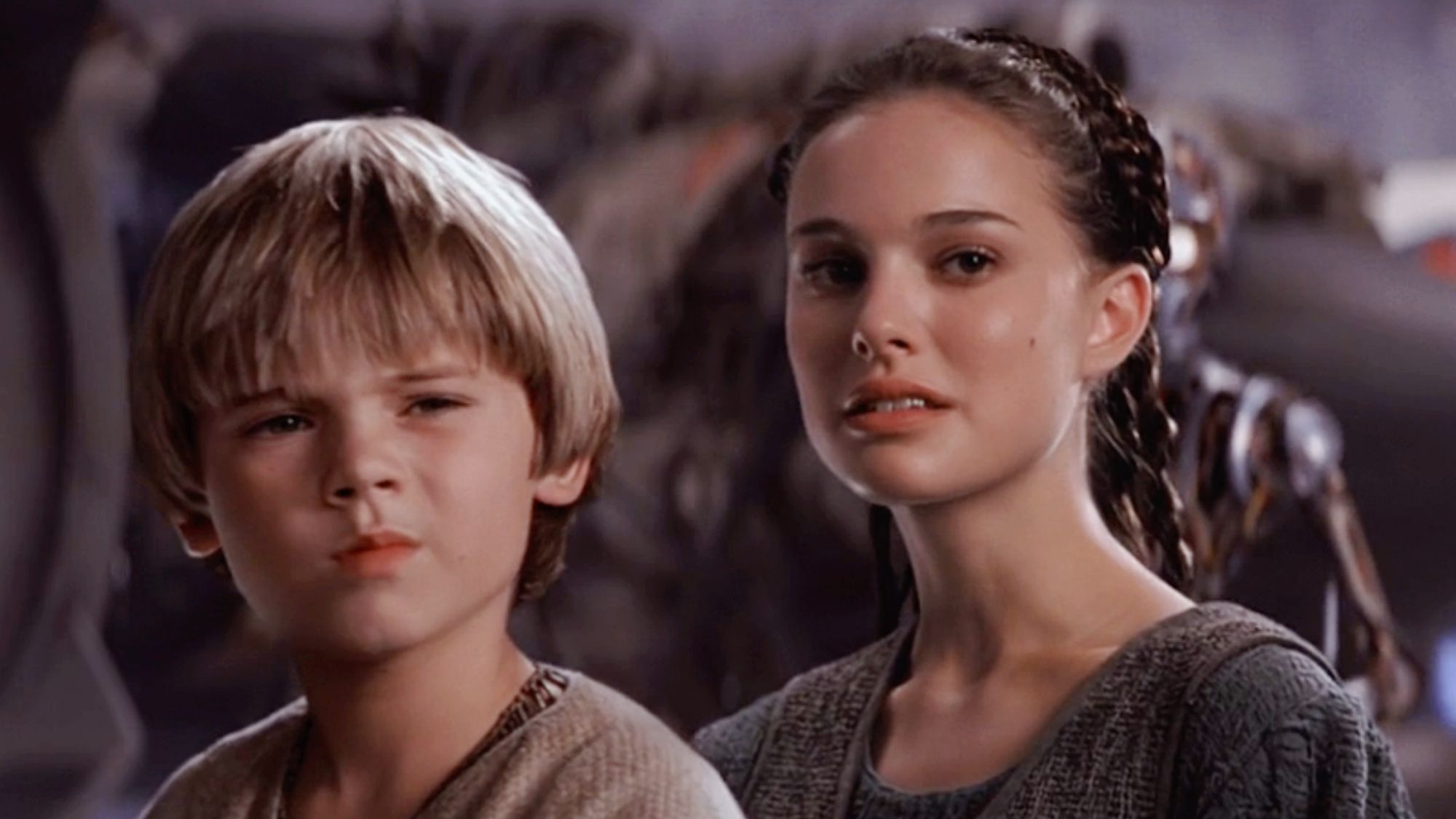

The Star Wars prequels occupy a fascinating place in pop culture. When The Phantom Menace, Attack of the Clones and Revenge of the Sith first arrived, reactions from longtime fans were, let’s just say, spirited. Jar Jar Binks became a punching bag, midichlorians sparked endless debates, and plenty of viewers who grew up with Luke Skywalker and Han Solo weren’t shy about voicing their disappointment. As it turns out, George Lucas apparently saw some of that coming.
During a panel at Spacecon 2026 (via Popverse), (somehow) Emperor Palpatine actor Ian McDiarmid returned and recalled the filmmaker’s mindset. According to the actor, Lucas understood that the generation raised on the original SW trilogy might be difficult to win over. McDiarmid explained:
It is great that you guys and your relations, old and young, have made it last. He wasn’t that sure that the prequels were going to move things forward in terms of audiences. And he saw early on, well, maybe his generation, my generation really, who saw the original movies will be a bit picky. And they were actually, but the kids weren’t.
McDiarmid continued by revealing what Lucas considered his real measure of success. He continued:

The kids were completely knocked out by it. And he said, ‘Well, I make these films for everybody, but if an 8-year-old is happy, I’ll feel I’ve done my work.’ And that’s what happened with the prequels.
As a middle-aged millennial raised on the prequel trilogy, I think that makes a lot of sense. Looking back, it’s remarkable how much the conversation around those movies has changed. They may not land on everyone’s list of the best prequels of all time or even on their favorite Star Wars films, but the kids who watched The Phantom Menace in 1999 are adults now. Those of us who loved Darth Maul, podracing and Ewan McGregor’s Obi-Wan Kenobi grew up to become some of the loudest defenders of that era.
Suddenly, lines that were once mocked became beloved memes. Hayden Christensen returned to universal applause. Entire generations embraced characters that older fans initially rejected. In other words, Lucas may have understood something many fandoms forget: today’s children eventually become tomorrow’s nostalgic adults.
The cycle has already started repeating itself. The sequel trilogy received its own share of criticism, much like the prequels before it. Yet there are now young fans whose entry point into the galaxy far, far away was Rey, Finn, Kylo Ren and BB-8.
Twenty years from now, those fans may be having the exact same conversations. One thing Star Wars has consistently proven is that no single generation owns the franchise. And, if we are honest with ourselves, if you cue up any of the many Star Wars films and TV Shows with your Disney+ subscription and watch them in order, you can find something wrong in every installment. But what is the fun in that?
In short, some fans grew up with the Original Trilogy. Others discovered the prequels. Still, others entered through The Clone Wars, The Mandalorian or the sequel trilogy. I think we can all agree that each era brings different heroes, different aesthetics and different emotional attachments. And perhaps that was always George Lucas’ goal.