
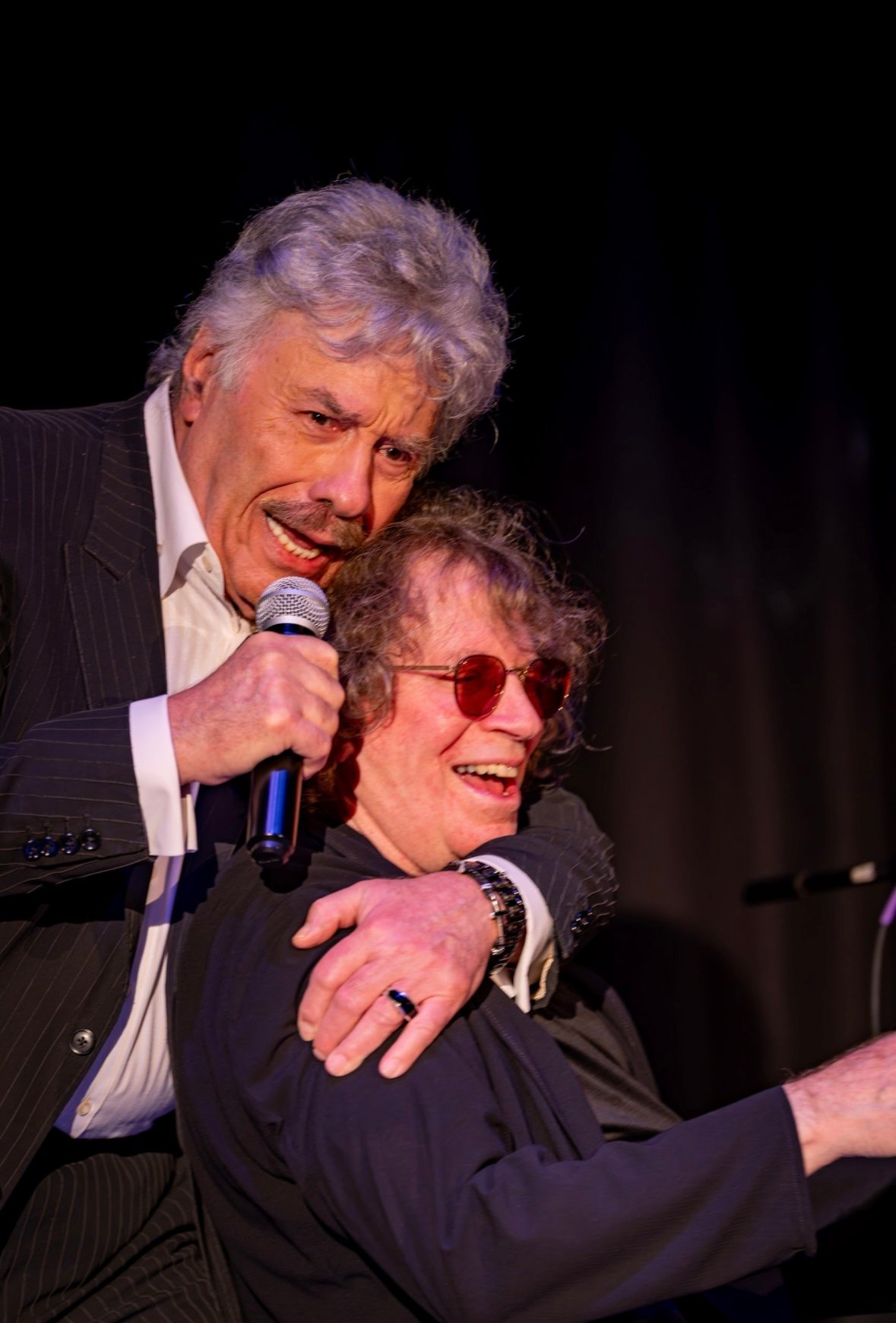
“Tony Orlando Presents Randy Edelman” Brings Two Giants of American Music Together on the Same Stage
This was not just a concert but rather a homecoming. What unfolded in Bellmore, Long Island, was unmistakably the latter — a reunion fifty years in the making, staged not as nostalgia but as a living, breathing celebration of two friendships that time never actually broke. “Tony Orlando Presents Randy Edelman,” produced by JD Sarantakos, brought together two of the most enduring names in American music and, for one unforgettable evening, let an audience witness what it looks like when brotherhood outlasts fame.
The story begins, as the best ones often do, with a young man just out of school and a record executive who saw something in him before he had proof to offer. Tony Orlando, then a rising force at Clive Davis’s label, met a teenaged Randy Edelman early in both of their careers. Orlando told him simply: finish school, then come see me. Edelman held onto that promise through every remaining semester. When he returned, Orlando signed him as a songwriter — remarkable, given that Edelman had not yet written a single song. It was an act of faith that would help launch one of the great composing careers of the modern era. The evening also served in a way as a tribute to Clive Davis since his recent passing.
From that improbable beginning, both men went on to reshape American entertainment in their own right. Orlando, fronting Tony Orlando and Dawn, became a household name behind hits including “Candida,” “Knock Three Times,” and “Tie a Yellow Ribbon Round the Ole Oak Tree” — a song that held the number-one spot on both the U.S. and U.K. charts for four consecutive weeks, reached the top ten in ten countries, stood as the best-selling single of 1973 on either side of the Atlantic, and was later named the 37th biggest song of all time in Billboard’s 50th-anniversary retrospective of the Hot 100. Orlando carried that success into television with the beloved variety program Tony Orlando and Dawn, cementing himself as one of the most recognizable entertainers of his generation.
Edelman, meanwhile, became one of the defining film composers of his time, scoring The Last of the Mohicans, Gettysburg, Dragonheart, Kindergarten Cop, My Cousin Vinny, Ghostbusters II, and Billy Madison, and writing the instantly recognizable theme to MacGyver along with more than a hundred other television and music themes for the Olympics, ESPN, HBO, and beyond. His songs found their way into the voices of Barry Manilow, Dionne Warwick, Olivia Newton-John, the Carpenters, and Blood, Sweat & Tears — including Manilow’s “Weekend in New England,” one of the defining ballads of the era.
The two had not shared a stage in fifty years. And then, last night, they did.
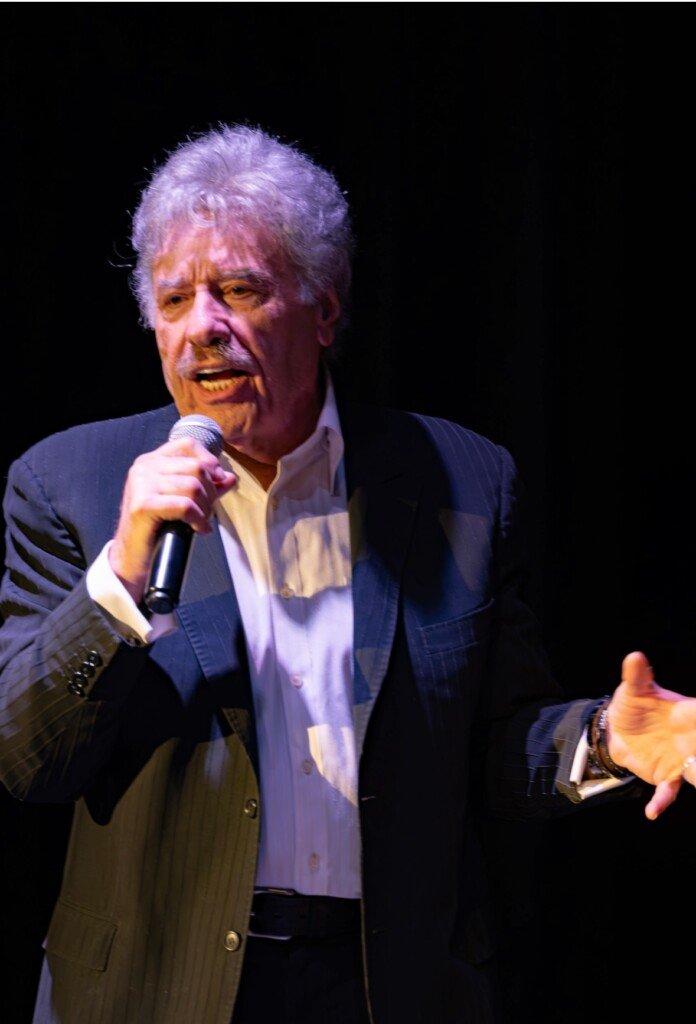
Orlando opened the evening not with a song but with a story — walking the room through the earliest days of the friendship, and warmly weaving in the life Edelman built alongside his wife, singer-songwriter Jackie DeShannon, herself a celebrated voice of the 1960s. It was an introduction built from genuine affection rather than performance, and it set the tone for everything that followed: this would be a night of truth-telling as much as music.
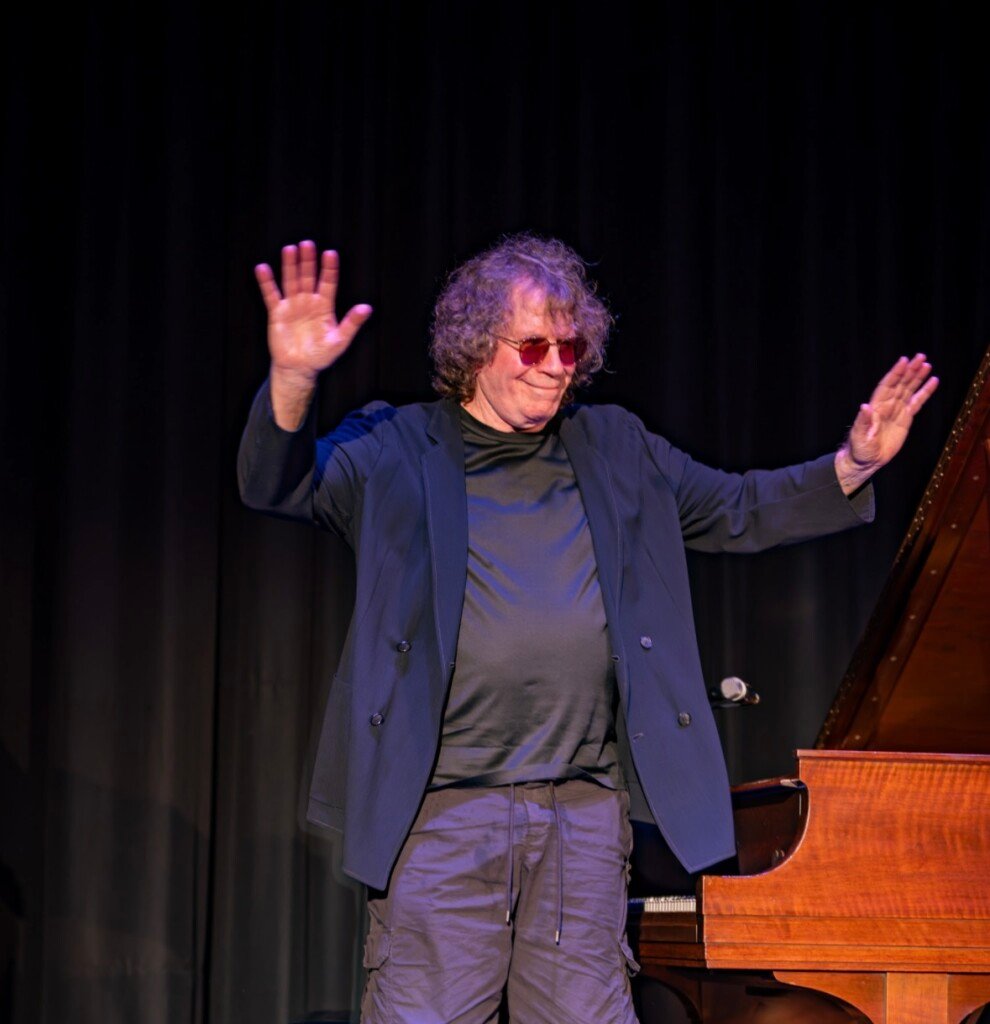
When Edelman finally took the stage, the transformation in the room was immediate. His voice — strong, clear, and unexpectedly powerful — carried the audience through a set that moved fluidly between the tenderness of his songwriting and the sweep of his film themes. He proved himself, in real time, to be as natural a storyteller as he is a composer, threading anecdotes between songs that pulled the crowd from tears to laughter and back again within a matter of minutes. It was the kind of performance that reminds an audience why a life in music matters in the first place.
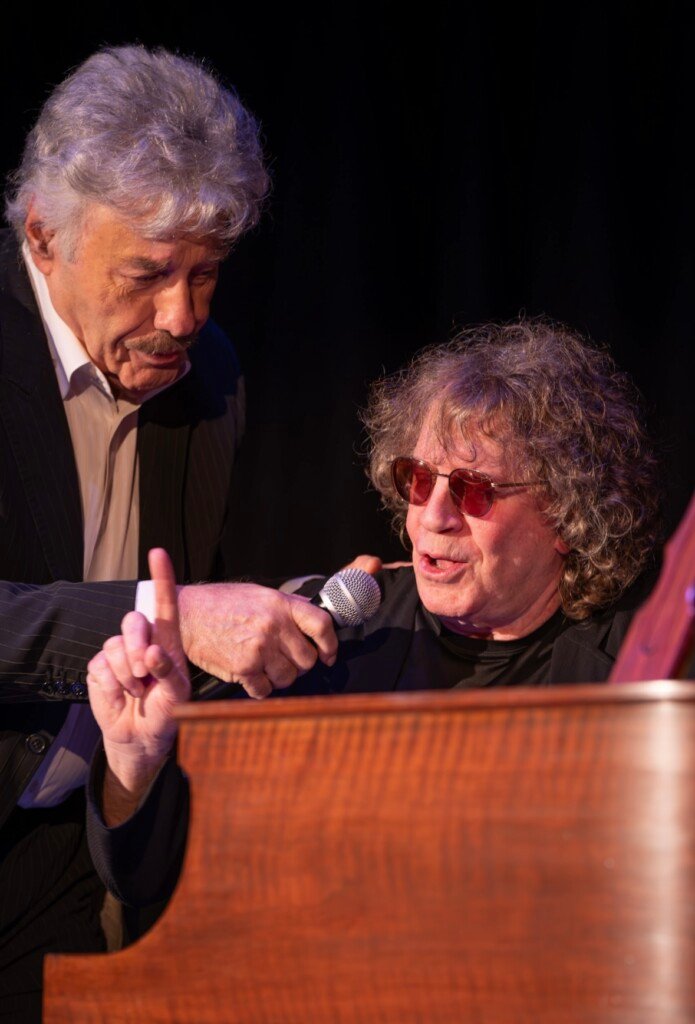
The night reached its emotional peak when Orlando returned to the stage to join Edelman — the two men trading verses, memories, and easy comic banter as though the intervening five decades had simply folded away. Their chemistry was unmistakable and unforced, two old friends finishing each other’s sentences and each other’s melodies. The audience, fully given over to the moment, rose again and again, clapping, laughing, and, by the night’s end, wiping away tears of a different kind.

There will be other concerts this year, and other reunions in other rooms. But few will carry the weight of what happened in Bellmore — two men who once made a quiet promise to each other as students of the business, standing shoulder to shoulder fifty years later, still keeping it.
Photo Credit: Charles Wills
%20(1).jpg "Faith No More Reunite | Pitchfork")