

In an era of hyper-connectivity, Gen Zs are approaching love and relationships in their own way. While millennials were introduced to a world of constant connectivity and curated social media, Gen Zs were raised in it and therefore balance emotional connection and personal well-being in their dating lives more consciously than their predecessors. Raised on a diet of curated “highlight reels”, this generation is pushing back against the exhaustion of picture-perfection, creating a new romantic landscape where the “soft launch” is king and the “roster” is dating’s new safety net.
The Real Vs The “Roster”
The days of clear-cut labels and linear relationship paths have largely vanished — a decline that began in the mid-2010s and was radically exacerbated by the isolation of the COVID-19 pandemic. For many Gen Zs, relationships are now fluid, flexible and defined by individual needs rather than societal expectations of marriage or the need to build a nuclear family. It is less a “fear of commitment” and more a response to growing up amid economic uncertainty and social upheaval, where Gen Z may feel they have little control over many aspects of their lives — but one area they can shape is their love life. This is evidenced by Tinder’s 2022 Year in Swipe report, which noted a 49 percent increase in users adding “situationship” — an ambiguous connection without defined boundaries — to their profiles as a relationship goal.
This rise in ambiguity is the byproduct of a digital dating marketplace where the “next best thing” is always just one swipe away and who can blame them? In a landscape where choice is constant and emotional stakes are amplified by visibility, it is understandable that many approach relationships with caution, treating connection as an opportunity for instant gratification.
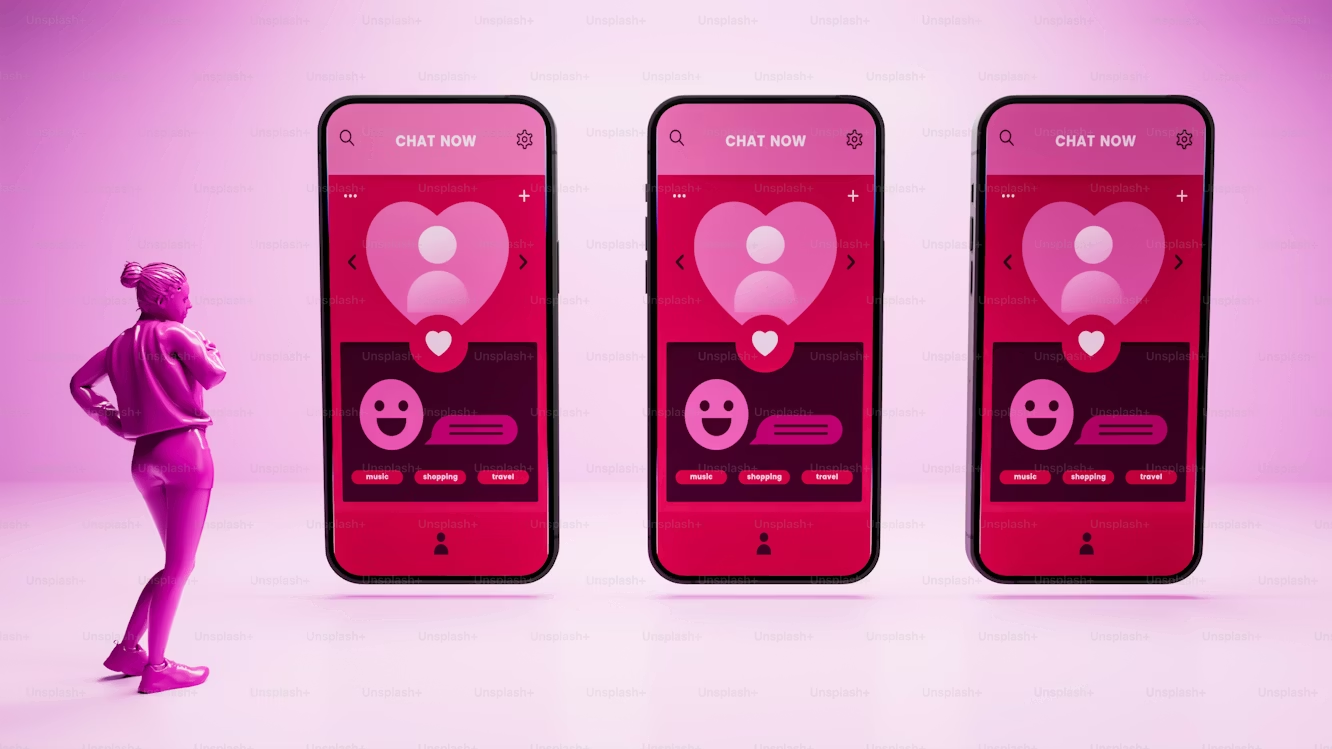
Rather than seeing this ambiguity as avoidance, experts suggest it reflects a generation navigating unprecedented choice. Dating apps leverage this need for users to find companionship, selling memberships as “dating” or “emotional comfort”. However, their business models only profit when users remain logged in and subscribed. The global dating app industry made over USD 6 billion in revenue in 2024, largely from approximately 25 million users worldwide who pay for premium features.
Major apps use a freemium model — offering basic functions for free but reserving features like unlimited swipes, advanced filters or profile boosts for paying subscribers. This structure keeps users hooked, often using techniques like “carroting” — the next best thing just behind a paywall — to encourage upgrades. The setup of these apps looks at matches as a game where success is measured by the quantity of matches versus their quality, with studies suggesting that only about 2.5 percent of matches actually lead to meaningful, long-term relationships.
As psychologist Barry Schwartz observes, the sheer volume of options can make commitment feel like “settling,” prompting behaviours such as “breadcrumbing” and “cookie jarring” — not purely cynical acts but strategies for managing emotional risk in a high-stakes digital dating environment. For Gen Z, this fear is rooted in a “burnout” economy — in a landscape of rapid-fire ghosting and digital disposability, the psychological cost of being vulnerable is perceived as a high-risk gamble with a low guaranteed return. To protect their mental peace from the fallout of a failed connection, many treat their emotions like venture capital — only investing in small, non-committal increments. This has created a digital paradox in 2026: a generation searching for a “soulmate” while strategically keeping a “main roster” active, ensuring they never have to face the vulnerability of being truly “all in” on a single person.
Privacy Is The Ultimate Luxury
For Gen Z, privacy is not secrecy but a form of self-care. Social media has since evolved into a space of “imagined surveillance”. Gen Z has seen enough failed “#RelationshipGoals” to know that they are often a mere facade. To protect themselves from the scrutiny of the “private group chat”, many are opting for “quiet relationships”. The rise of “quiet relationships” demonstrates a conscious decision to protect intimacy from performative pressures.
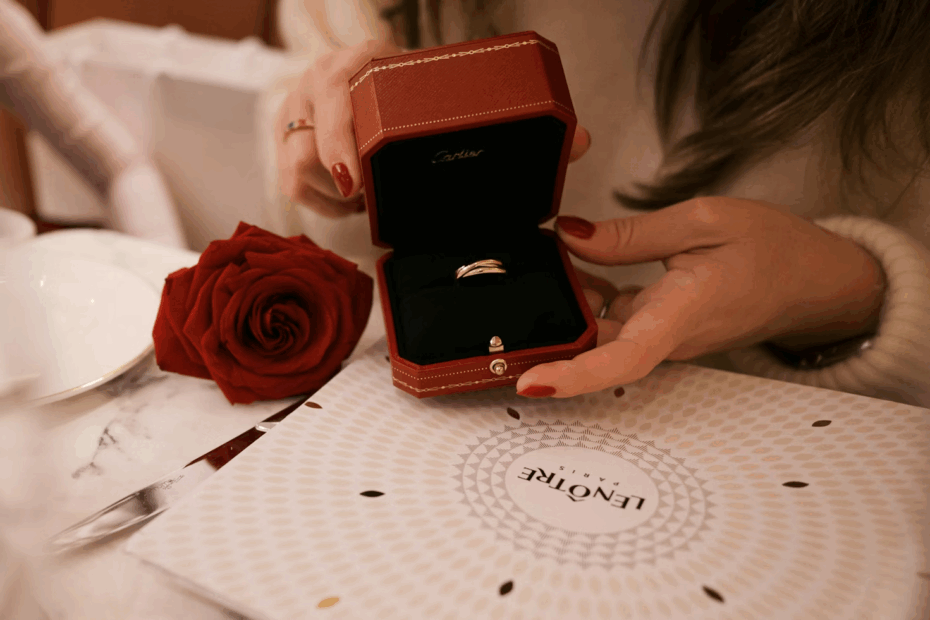
Enter the “soft launch”. It is a dating social-media-proof compromise of 2026 whereby one can post photos of a romantic meal for two or blurred hands donning matching Cartier Love Bracelets without tagging their partners. By carefully obscuring their partner’s identity, these curated snippets allows couples to celebrate connection while safeguarding emotional well-being. This approach is more about crafting a relationship that prioritises quality over visibility, reflecting a thoughtful engagement with social media rather than cynicism. By leaving the partner’s face out, Gen Z maintains the aesthetic of being loved and pampered without the digital mess of a breakup should the relationship end. If the relationship fails within three months, the grid remains untainted.
Social media itself has become a space for curated experiences rather than spontaneous sharing and Gen Z’s choices show a sophisticated negotiation between public presence and private life. In this sense, digital discretion has emerged as a new form of relational literacy, signalling maturity and intentionality in a generation navigating love in unprecedented contexts. Social media and dating apps have evolved into businesses that aim to create a balm for emotional validation, where companies make consumers want things they never realised they needed. Dating and relationships are increasingly framed as commodities sold as experiences and this focus on experience is key for Gen Z consumers.
It is not simply wanting to be in a relationship but curating the relationship in the most desirable, “Instagrammable” way possible. This has turned life’s most intimate benchmarks — from the first date and proposal to the wedding and baby shower — into products designed for consumption. Nearly half of young adults (48 percent of 18 to 29-year-olds) believe social media is a crucial venue for demonstrating care for a partner. In an era where every kiss is a brand activation and every anniversary is a content drop, the ability to keep a life unindexed and unshared has become the ultimate luxury.
Celebrating Love and Self-Investment

Rather than diminishing romance, these trends reveal a generation redefining it. Valentine’s Day in 2026, for example, extends beyond traditional couple-focused celebrations. While Gen Z champions “affordating” for casual hangouts, Valentine’s Day remains a high-stakes cultural event where perceived value is paramount. The holiday is no longer strictly confined to romantic love, with “Galentine’s Day” and “Pal-entine’s Day” celebrating platonic friendships becoming robust consumer events.
When communicating love through objects, a generic supermarket bouquet will not suffice — it has to be a sculptural, oversized arrangement from a boutique florist that offers an aesthetic visual for social media. This focus on aesthetic, shareable gifts has even led to extreme trends like elaborate “money bouquet”, a practice which has been explicitly banned as a defacement of currency by the central banks of countries like Kenya, Ghana and Nigeria.

Gen Z’s go-to luxury brands such as Burberry and Louis Vuitton are also pivoting to this “private” generation by curating small, romantic luxuries and hard goods. For example, Burberry perfumes or LV-branded chocolates serve as the new roses. Why spend money on a floral arrangement when one can invest in tangible, exclusive (and more importantly, easy to photograph) designer items for social media?
Amongst single Gen Zs, occasions like Valentine’s Day are used for self-investment, aligning with a significant cultural rise in both self-love and self-gifting. Buying luxury skincare or jewellery acts as a form of “self-valentine” — a deliberate choice to anchor their own happiness and well-being. This trend is driven by a focus on self-gifting and personal rewards alongside the decision to prioritise oneself in an otherwise volatile dating landscape.

The paradox of Gen Z romance lies in balancing public and private spheres. They are terrified of being cheated on and wary of commitment, yet still crave “The Notebook” kind of enduring love. However, love is not just about the person you are with — it is also about the life you are building behind the scenes while balancing the aesthetic you project. Sending memes, daily check-ins, adding someone to a shared calendar or even having each other’s live locations are modern expressions of love that safeguard commitment and showcase genuine care. Language constantly evolves and for Gen Zs, this is their new love language.

While the digital age has successfully commodified the milestones of love, it has also forced a new definition of intimacy — one that exists in the unposted spaces. In an era where every romantic gesture can be optimised for an audience, the truest act of rebellion is a love that does not need to be witnessed to be felt. While some may view Gen Zs as being cynical, perhaps they are simply more realistic about how they view and approach dating. By retreating into “soft launches” and prioritising the mundane rituals of digital safety, this generation is redefining what it means to showcase overt affection. It is no longer about proving your love to the world, but about protecting it from the world. In the end, while the ultimate luxury (or the ultimate gesture of love for some) is still a monogrammed Louis Vuitton bag — it is the quiet, personal significance behind the gift that truly defines its value, not the amount of likes it garners.
For more on the latest in culture and lifestyle reads, click here.