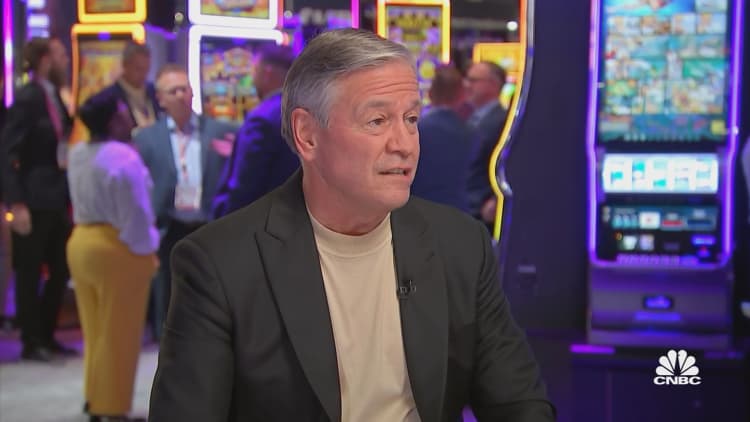
Known as “The Master Investor,” Ian Dunlap is helping everyday investors understand ownership, AI, and long-term wealth building.
Ian Dunlap Makes the Market Feel Closer
In a city like New York, the stock market is never far from the conversation. Wall Street may carry the global symbol of finance, but the questions that shape wealth are just as real on Main Street, in small businesses, in family homes, and in the minds of everyday people trying to understand how to make money work beyond a paycheck.
That is where Ian Dunlap has built much of his impact.
Known far and wide as “The Master Investor,” Dunlap has become a recognizable voice in financial education via his Red Panda Academy, making complex market ideas more accessible. His work centers on ownership, discipline, patience, and the kind of long-term thinking that can help everyday investors move from watching the economy to participating in it.
Dunlap’s appeal is not built around financial jargon. It is built around translation. He takes conversations often reserved for analysts, traders, and wealth managers, then makes them easier to understand for people who may be entering the market through podcasts, YouTube, social media, online academies, or live events.
That ability to make the market feel closer has become a major part of his profile.
From Wall Street Language to Everyday Strategy
For many people, investing still feels like a world with its own locked vocabulary. Valuation, liquidity, volatility, market cycles, earnings, options, artificial intelligence, and algorithmic insight can sound distant to anyone who did not grow up around financial conversations.
Dunlap’s strength is his ability to reduce that distance.
His public platform is rooted in a practical idea: investing is a skill that can be studied, practiced, and improved. It is not reserved for people who work in financial districts or hold advanced business degrees. It requires education, consistency, emotional control, and a willingness to think beyond short-term noise.
That message has helped him connect with audiences who want financial clarity without feeling talked down to. For investors building from the ground up, Dunlap’s teaching style offers a way into the conversation.
He is the founder of Red Panda Academy and is closely associated with Market Mondays, the financial education platform connected to Earn Your Leisure. His work reflects a larger shift in how people learn about money, as financial education continues to move from private offices and classrooms into broader cultural spaces.
AI and the Future of Ownership
Dunlap’s current relevance also connects to one of the biggest business stories of the modern economy: artificial intelligence.
AI is changing how companies operate across finance, healthcare, logistics, customer service, software, manufacturing, media, and data analysis. Businesses using artificial intelligence effectively may be able to move faster, reduce costs, improve decision-making, and create new streams of revenue.
For investors, that makes AI more than a tech headline. It makes AI a lens for understanding where future growth may emerge.
Dunlap’s broader philosophy fits that moment. Instead of treating automation only as something to fear, his message leans toward ownership. If AI is reshaping the economy, investors should study the companies, assets, and platforms positioned to benefit from that transformation.
That does not mean chasing every artificial intelligence stock or every company using AI language. The stronger lesson is about discernment. Investors must learn how to separate durable businesses from hype, evaluate leadership and revenue potential, and understand whether a company is using AI in a way that can create lasting value.
An Upcoming InvestFest Moment
Dunlap is scheduled to appear at Earn Your Leisure’s InvestFest in August, where his session, “50 AI Secrets to Get Rich in the Market and Unlock 500% Gains,” is expected to expand on his AI-focused investing philosophy. The InvestFest session description frames the presentation around AI-driven investing strategies, algorithmic insights, market timing tactics, and high-growth opportunities in an AI-powered market.
The appearance adds a timely marker to Dunlap’s broader platform, but it is not the center of his story.
His larger profile is rooted in the work he has done to make investing feel more understandable and actionable for everyday people. That is especially important at a time when retail investors face a crowded information environment filled with market predictions, social media opinions, and fast-moving technology narratives.
Dunlap’s voice stands out because it emphasizes study, discipline, and ownership as the foundation.
Downturns as Windows, Not Walls
One of the most consistent ideas connected to Dunlap’s market philosophy is the way he frames downturns.
When markets fall, many investors react emotionally. They sell too quickly, pause their contributions, or wait for perfect conditions before making another move. Dunlap’s broader message encourages the opposite approach. Downturns can become windows of opportunity for those who are prepared, liquid, and focused on quality.
That mindset matters because the market rarely rewards panic. It more often rewards patience, conviction, and the ability to act when fear causes others to hesitate.
The lesson is not to gamble on a bottom or ignore risk. It is important to understand that uncertainty is part of the market cycle. Investors who study strong companies and remain consistent may be better positioned when the next phase of growth begins.
For a New York audience, that message carries a familiar rhythm. The city understands cycles. It understands pressure. It understands the difference between noise and endurance. Dunlap’s investing philosophy fits that same logic: stay ready, study the landscape, and do not let fear become the strategy.
Financial Literacy as Cultural Power
Dunlap’s influence reflects a broader cultural change around financial literacy.
Money conversations are no longer limited to bankers, brokers, and institutions. They are happening on livestreams, podcasts, social platforms, business conferences, and digital learning communities. More people are seeking information that helps them understand stocks, ownership, technology, inflation, wealth transfer, and long-term financial planning.
That shift creates opportunity, but it also creates responsibility. Access to information is powerful, but bad information can be costly. Dunlap’s role in the financial education space is significant because his message encourages people to take the market seriously.
He speaks to ambition, but he also points toward discipline. He encourages ownership, but ownership requires research. He speaks about opportunity, but opportunity still demands risk awareness.
That balance is why his work resonates beyond one platform or one event.
Why Ian Dunlap Matters Now
Ian Dunlap matters because he represents a new kind of financial educator, one shaped by technology, culture, and the growing public demand for market literacy.
His audience is not only looking for stock picks. Many are looking for a way to understand the economy they live in. They want to know how AI may affect companies, how downturns can create opportunity, and how ownership can change their relationship with money.
Dunlap’s spotlight rests on his ability to make those ideas accessible without making them shallow. He brings market strategy into everyday language and reminds investors that long-term wealth is rarely built through panic, guesswork, or short-term excitement.
In a financial world still symbolized by New York’s towers and trading floors, Ian Dunlap’s message reaches people far beyond Wall Street.
The market is not only something to observe from the outside. With study, discipline, and ownership, it is something that everyday investors can learn to understand.