The British monarchy is still viewed by many loyalists as a sacred and untouchable institution. However, for royal monarchies in 2026, relevance has increasingly become a form of currency. Monarchies once derived their importance from religious authority, political governance and national stability. Today, with the decline of absolute royal power and growing scrutiny over public spending, institutions such as the British monarchy increasingly rely on cultural visibility to justify their continued existence and various expenses.
For the 2025–2026 financial year, the monarchy’s official funding through the Sovereign Grant is projected at approximately USD 180 million (GBP 132.1 million). Funded by the UK government, the grant represents 12 percent of profits generated by the Crown Estate, a vast portfolio of British land and properties.
The monarchy’s official annual cost to taxpayers currently stands at approximately USD 117 million (GBP 86.3 million) or roughly USD 1.75 (GBP 1.29) per person. The Sovereign Grant covers official royal duties, staff salaries, travel and the maintenance of royal residences. However, anti-monarchy organisations argue that the true annual cost — once security, policing and local council expenditures are included — exceeds USD 680 million (over GBP 500 million) per year. Conversely, the monarchy maintains that it generates substantially greater economic value for Britain through tourism, global visibility and the Sovereign Grant structure itself, given that the overwhelming majority of Crown Estate profits are retained by the government rather than the royal family directly.
Yet amid Britain’s ongoing cost-of-living crisis, rising anti-elitist sentiment and increasing public scrutiny surrounding inherited privilege, the monarchy faces mounting pressure to prove not only its symbolic significance but also its cultural and economic relevance within modern society.
The British Monarchy Survives on Attention
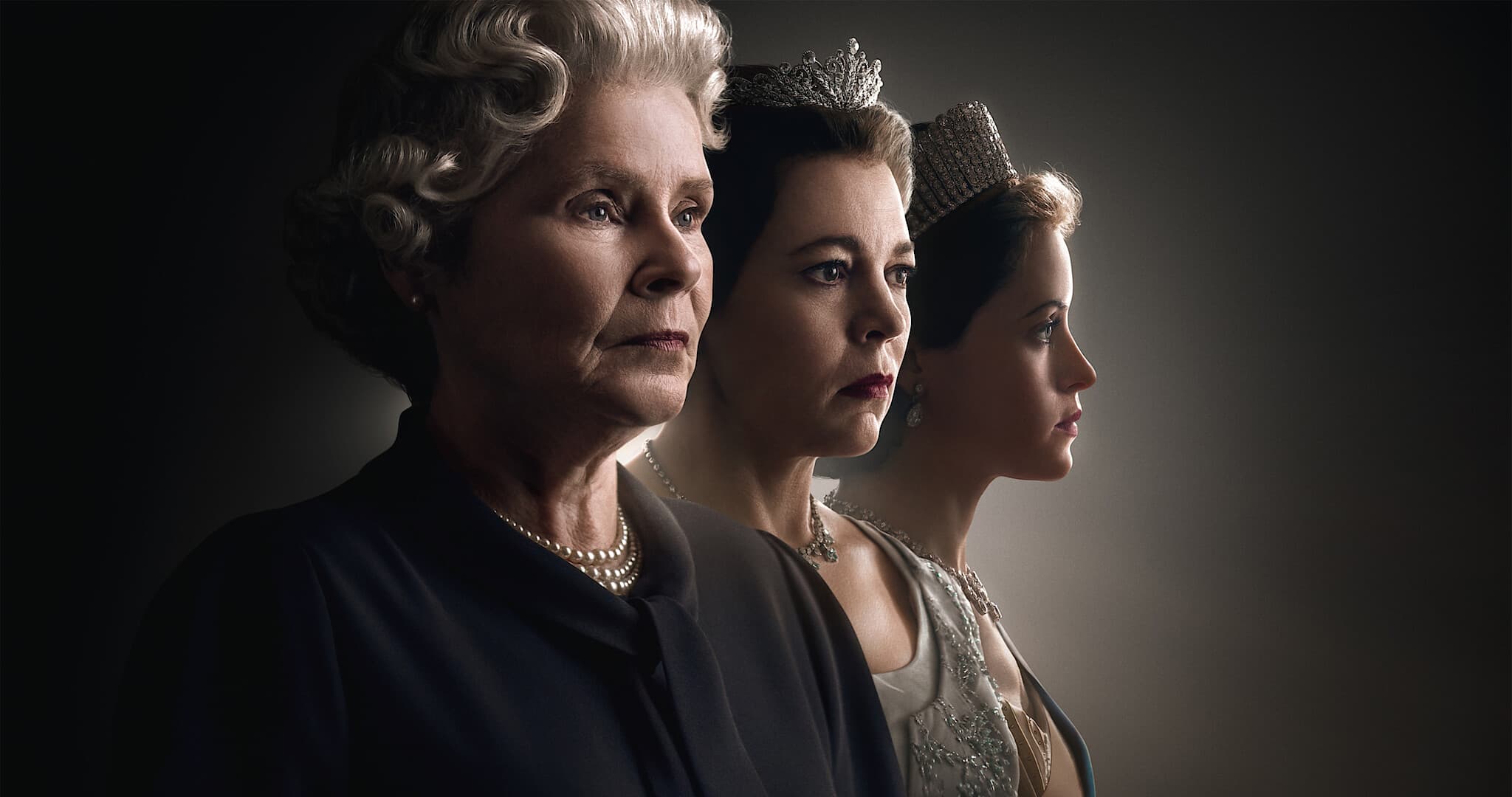
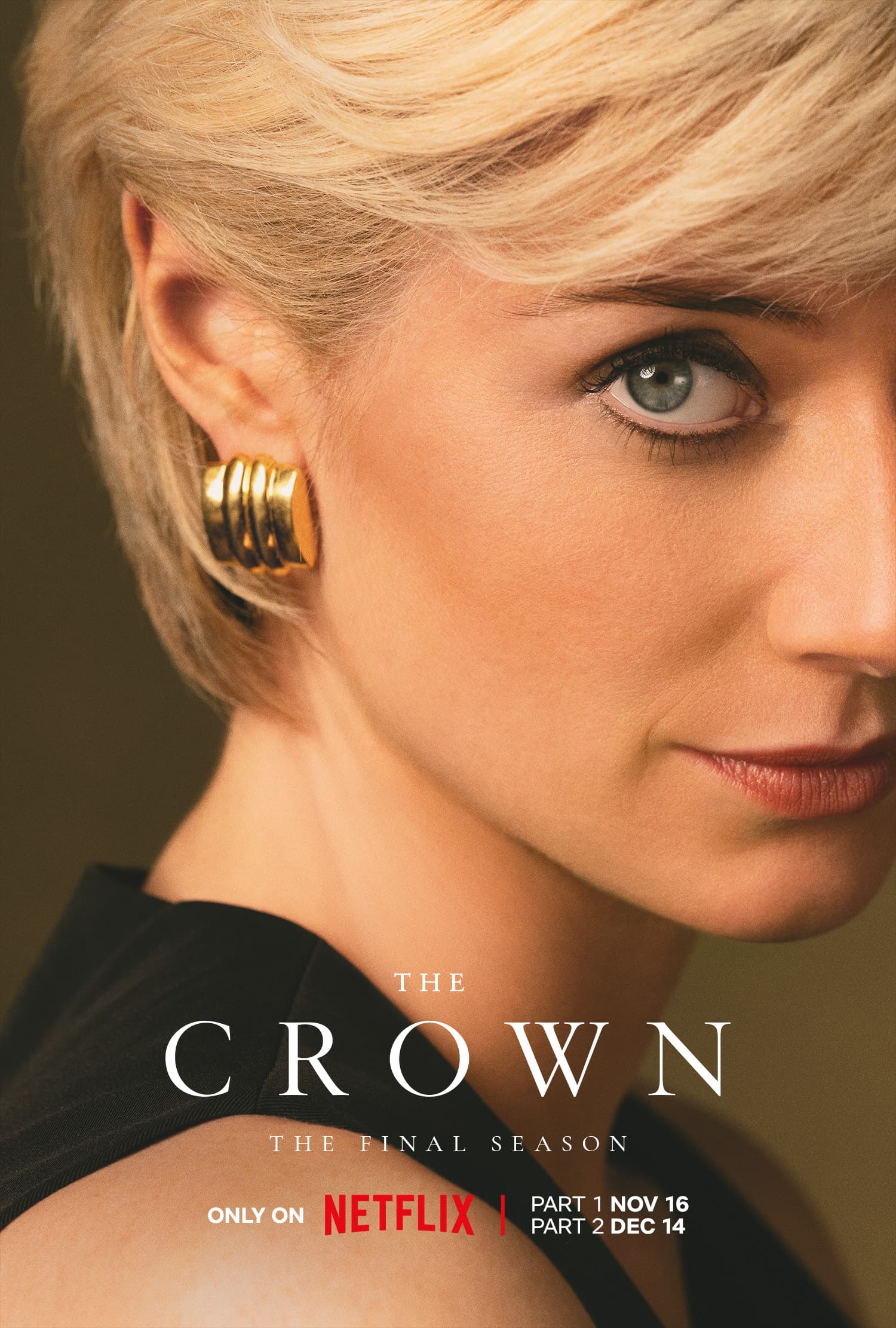
The British monarchy is deeply embedded in media and popular culture, with their lives consistently reflected through film and television — from the historical drama series The Crown, to the 2006 docudrama The Queen and the 2010 Oscar-winning movie The King’s Speech. Despite the royal family’s tendency to retreat from sustained public scrutiny — surfacing primarily through curated appearances such as charity galas or official engagements — the institution still relies on a continuous layer of cultural discourse to maintain relevance. In effect, the monarchy remains dependent on narrative visibility to sustain its position in the public imagination.
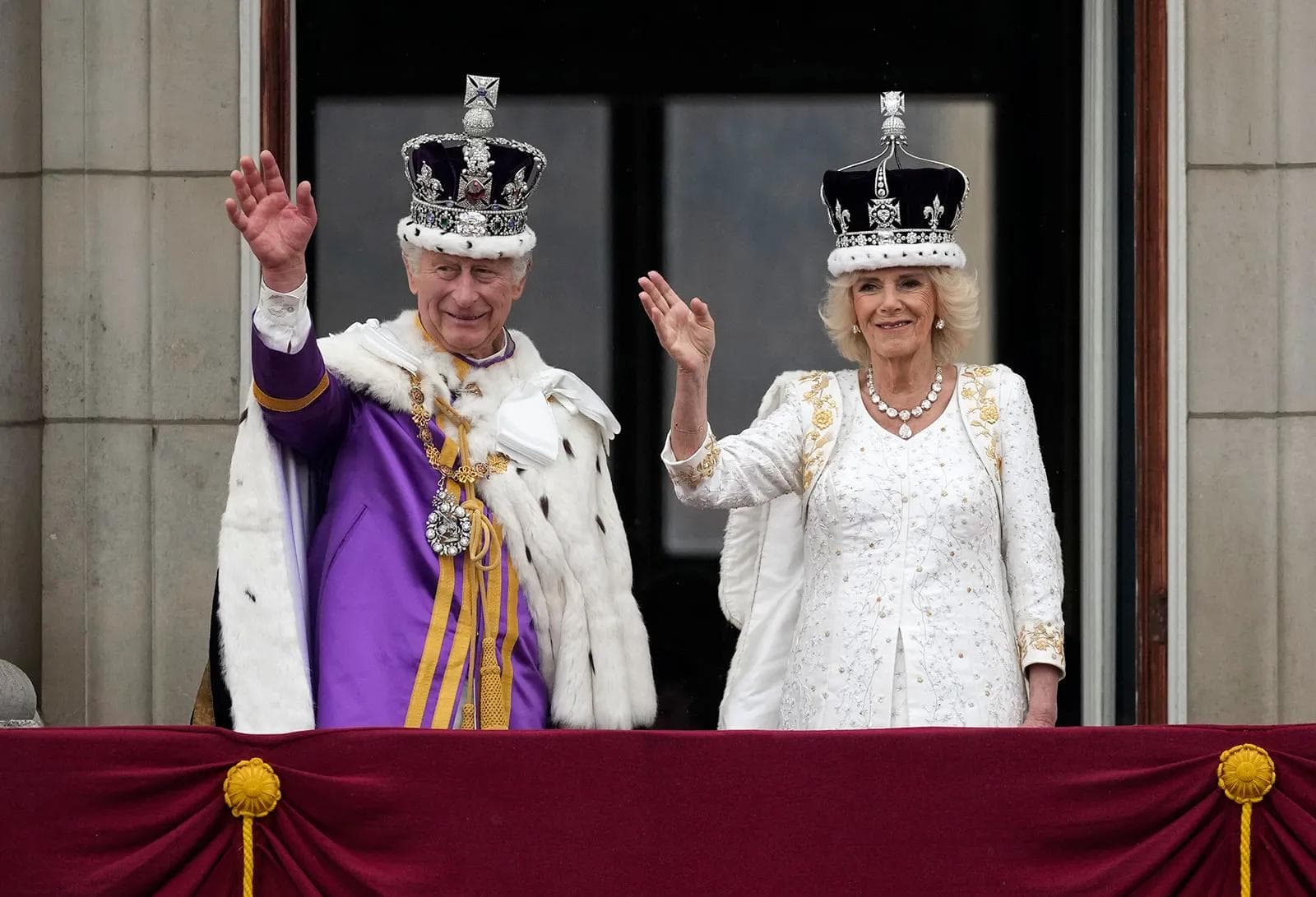
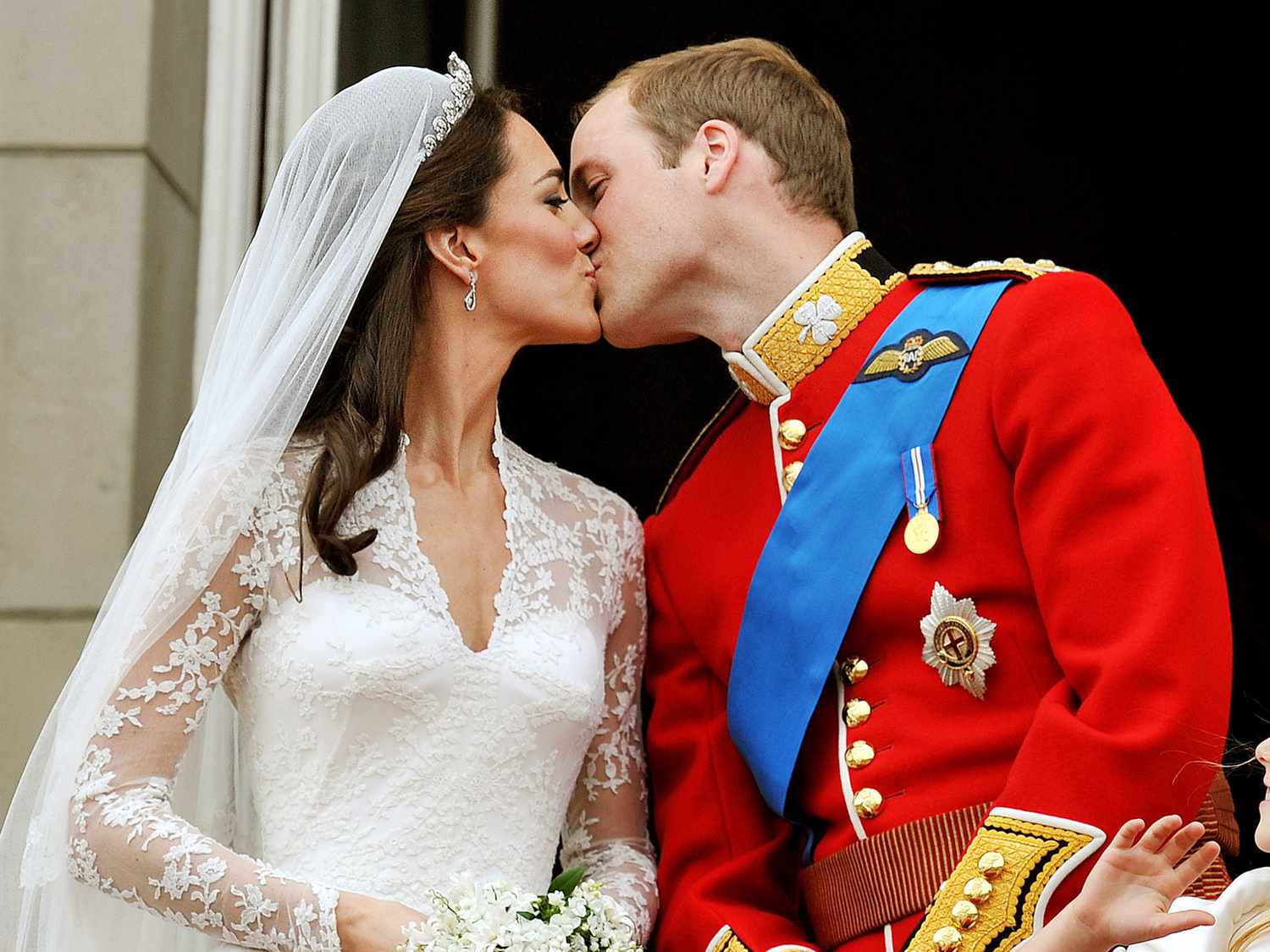
In particular, royal weddings operate as global cultural spectacles on a scale comparable to the Olympics or the Academy Awards. The 2011 wedding of Prince William and Kate Middleton reportedly drew an estimated two billion viewers worldwide, with around one million people lining the processional route between Westminster Abbey and Buckingham Palace. In the UK alone, peak television audiences reached 26.3 million, while 36.7 million people watched at least part of the broadcast.
Public fascination extends beyond ceremonial moments into an ongoing appetite for royal narrative, scandal and succession. Here, the monarchy’s persistent cultural storyline and sustained attention across celebrity media and global news cycles carries tangible consequences and translates into economic and diplomatic value through tourism, merchandising, media licensing and the broader soft power associated with British heritage. In this sense, public attention (and scrutiny) actively sustains the monarchy, converting cultural fascination into economic relevance and international influence.
The British Monarchy Is Losing Control of the Attention Economy
The British monarchy is both an institution and a commercial juggernaut. It is reasonable to assume that the teams responsible for managing royal public relations have, at times, played a role in shaping — and indirectly amplifying — tabloid sensationalism, particularly during the tumultuous period surrounding the late Princess Diana and then Prince Charles.
Princess Diana fundamentally reshaped the monarchy into a celebrity institution. In many ways, she introduced the notion of modern fame and personal branding into the royal framework itself. Throughout the 1980s and 1990s, the monarchy’s global relevance increasingly depended on emotional attachment to a single figure who often eclipsed the institution she represented.
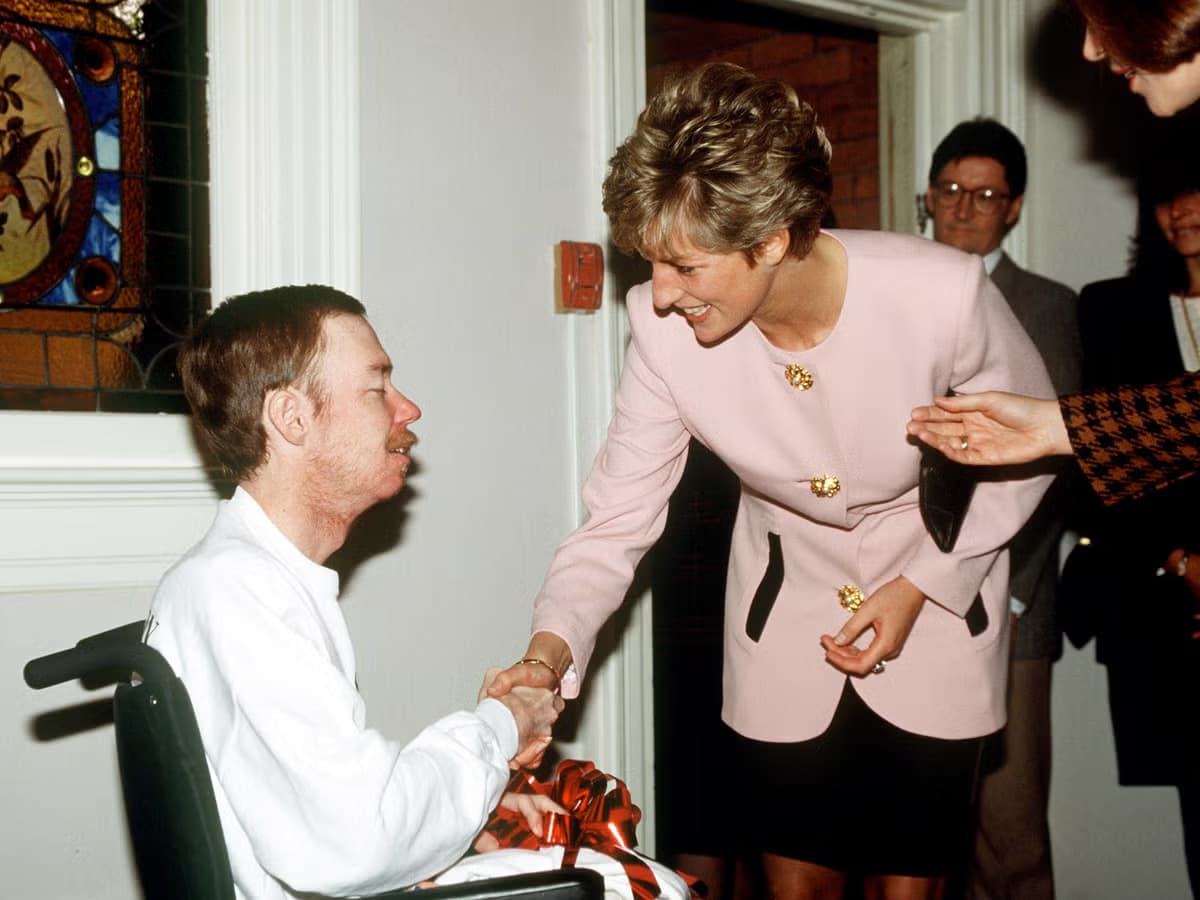
For example, her 1981 wedding to Prince Charles was watched by an estimated 750 million people worldwide, instantly positioning her the generation’s cultural icon. Later, her 1995 BBC Panorama interview drew over 20 million viewers in the UK alone, where she directly addressed the breakdown of her marriage and the pressures of royal life. Even her humanitarian work — from visiting AIDS patients in the 1980s to her anti-landmine campaign in the 1990s — was extensively photographed and circulated globally, helping to construct a public identity that existed independently of royal duty. Her death in 1997 further underscored this shift, with unprecedented global mourning and media coverage — including an estimated 2.5 billion people watching her funeral worldwide.
Today, reliance on visibility and public adoration has been tested by recurring scandals and reputational pressures, including ongoing controversies surrounding figures such as Prince Andrew. The monarchy’s traditional strategy of “silent containment” is becoming less effective in the digital age, where narratives circulate instantly on social media and without institutional control.
At the same time, questions around colonial legacy and symbolic power continue to shape how the institution is perceived. The monarchy remains structurally and historically tied to Britain’s imperial past, with debates over reparations, Commonwealth relationships and historical accountability influencing contemporary discourse. For some, the British monarchy represents traditional and national identity, yet for others, it is a painful reminder of the scars of colonialism and unresolved historical harm.
The Monarchy’s Greatest Threat Is Irrelevance, Not Republicanism
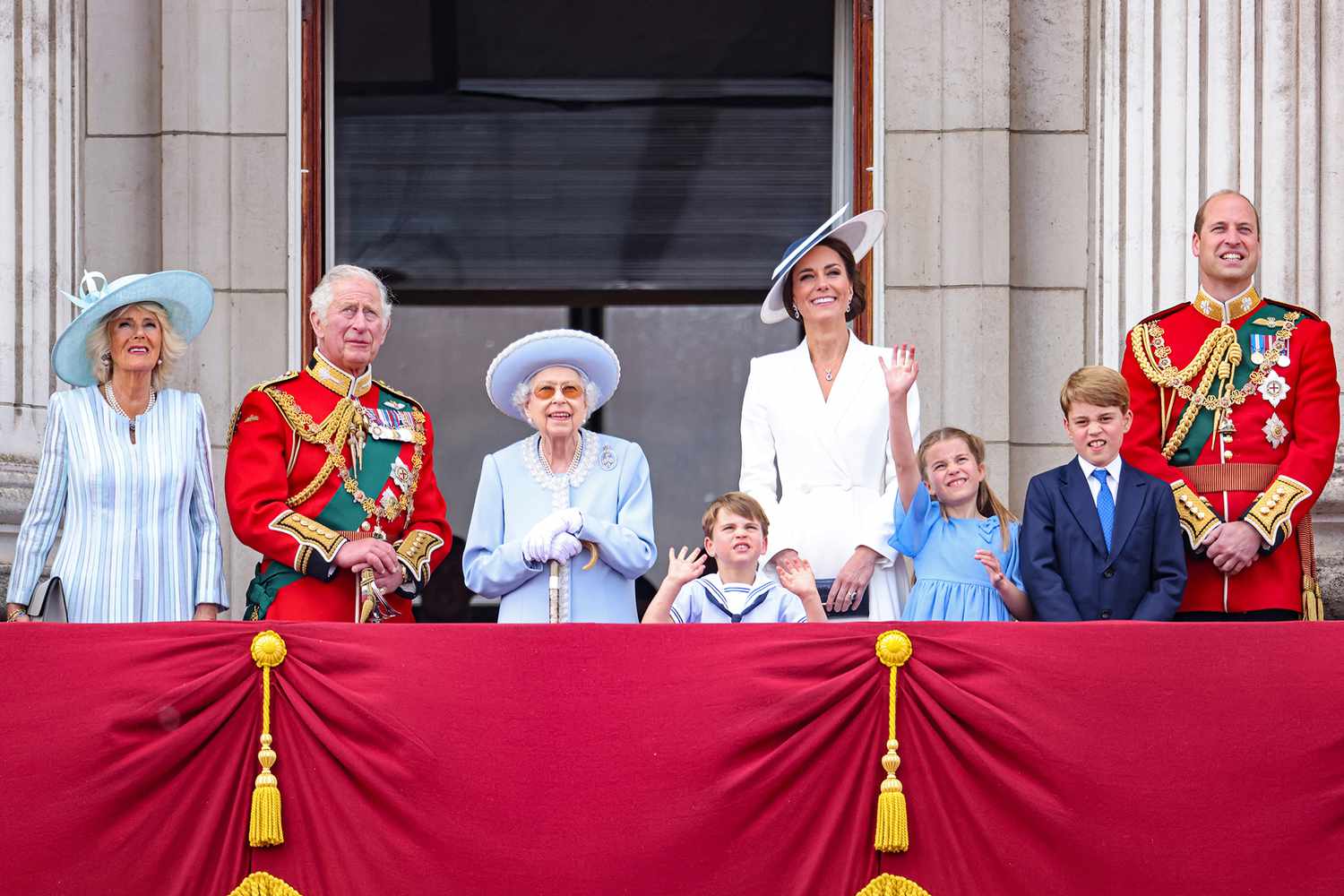
Following the death of Queen Elizabeth II in 2022, the monarchy has entered something of a transitional era with heightened scrutiny and a renewed emphasis on international relevance. Today, no comparable figure exists with the same global gravitational pull. Today’s royals cannot replicate Diana’s legacy. King Charles is respected but lacks cultural magnetism, while Catherine, Princess of Wales represents institutional continuity and controlled elegance — with an image carefully managed to the point that it avoids the unpredictability that once made Diana globally magnetic. Meghan — Duchess of Sussex — by contrast, generated significant global fascination precisely because she disrupted the institution rather than stabilising it. Her celebrity existed independently of the monarchy, which made her both commercially powerful and institutionally difficult to contain.
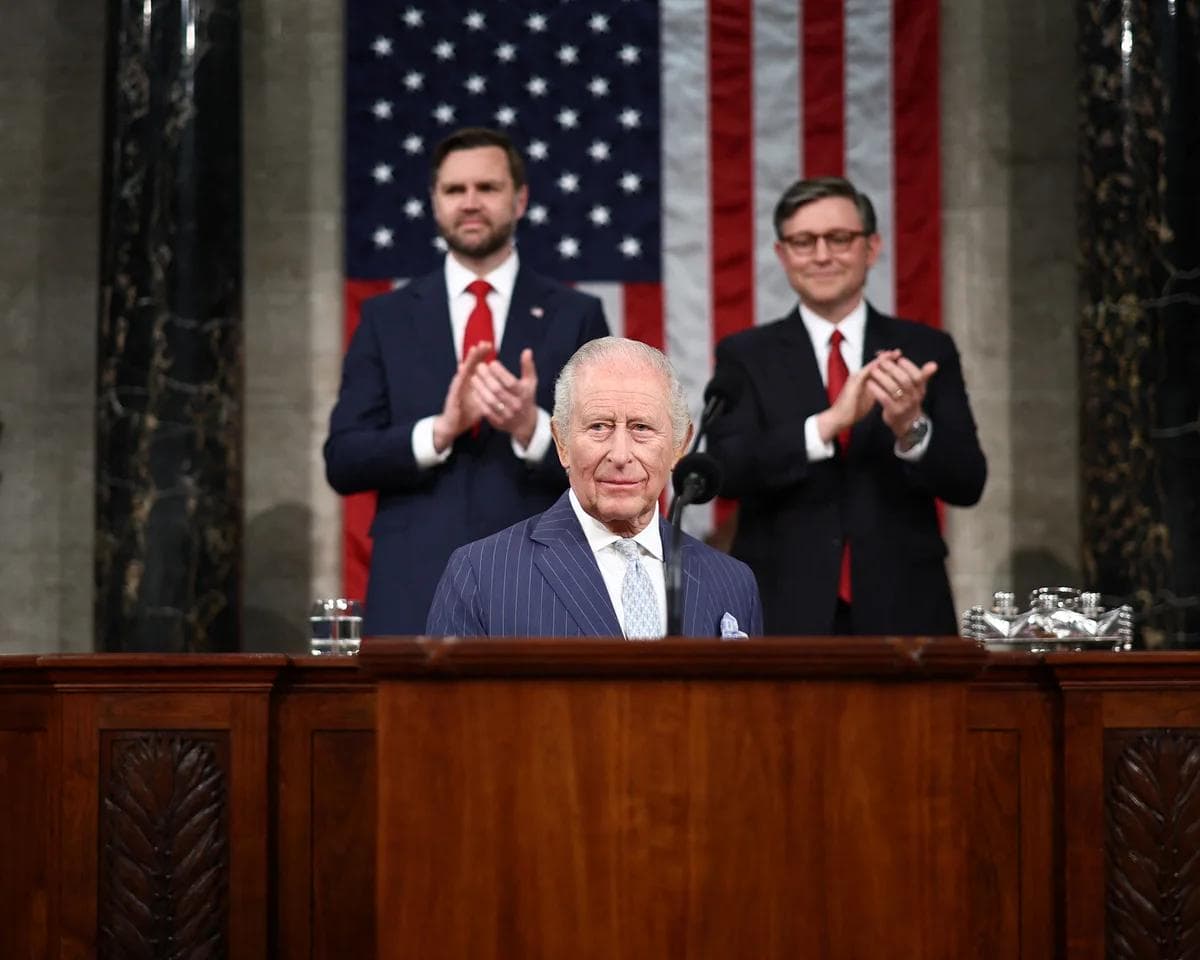
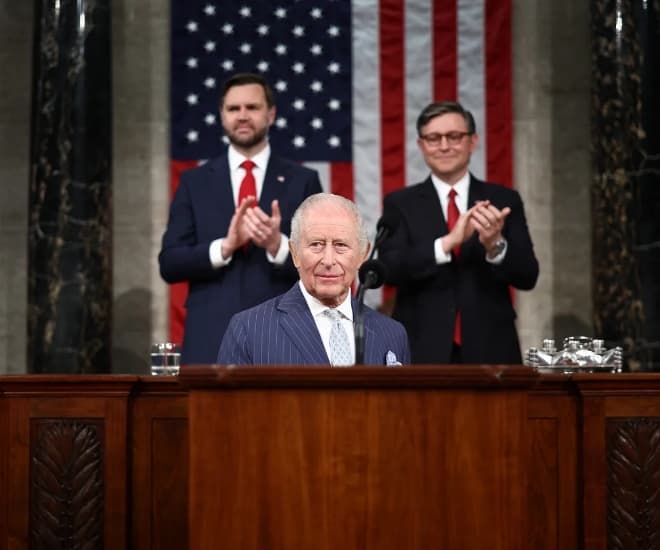
Against this backdrop, the monarchy’s commercial value is no longer guaranteed in the way it once was. The British monarchy may no longer be commercially necessary in the same structural sense, yet it continues to rely on moments of heightened visibility to sustain relevance. High-profile diplomatic appearances — such as King Charles’ engagement at the White House and the King’s Speech — are increasingly leveraged as carefully staged performances of state power within an attention-driven global media economy.
At the same time, the monarchy’s commercial justification is under increasing scrutiny. Funded through mechanisms such as the Sovereign Grant and justified through tourism and cultural heritage, the institution must now continuously prove its value amid rising cost-of-living pressures and broader debates around inherited privilege and historical accountability. To put it simply, the existence of the British monarchy must be actively validated.
London has become a focal point for a range of ongoing protests, reflecting an increasingly polarised political climate. Just this week, far-right demonstrations once again surfaced in the city, underscoring the breadth of ideological tensions playing out in public space. Alongside this, the recent “#NotMyKing” movement continues to stage anti-monarchy demonstrations — largely organised by the UK campaign group Republic, which advocates for the abolition of the hereditary monarchy in favour of an elected head of state. These movements reflect the broader political climate in which the monarchy must now not only operate but also attempt to unify a fragmented public with its competing visions of national identity.
For more on the latest in opinion and culture reads, click here.