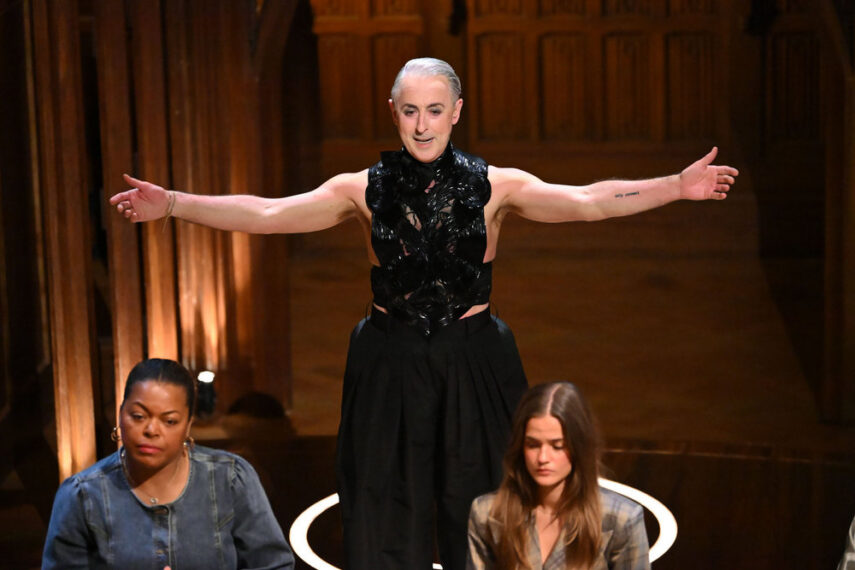
From Michael Jackson and Prince to groundbreaking theories about human behavior, Howard Bloom has spent a lifetime exploring the forces that shape our world.
There are successful publicists, accomplished authors, and independent thinkers who challenge conventional wisdom. Then there is Howard Bloom, a man whose remarkable career has taken him from the inner circles of rock music’s greatest legends to the fascinating frontiers of science, psychology, and the cosmos.

For decades, Bloom has refused to accept the boundaries that traditionally separate entertainment, science, and philosophy. His life is an extraordinary example of what happens when curiosity becomes a lifelong obsession.
Before establishing himself as one of the most influential public relations figures in music history, Bloom was already exploring some of science’s biggest mysteries.
Born in Buffalo, New York, in 1943, Bloom developed an intense fascination with the universe during childhood. By age 12, he was engaging in discussions about competing theories of the universe’s origins with university physicists. As a teenager, he designed scientific devices, explored computing, and worked in immunology research at Roswell Park Memorial Institute.
It was the beginning of an intellectual journey that would eventually span more than six decades.
The Mind Behind the Music
During the 1970s and 1980s, Bloom became a formidable force in the recording industry.
After serving as editor of Circus magazine and working in public relations at ABC Records, he founded The Howard Bloom Organization in 1976.
His professional relationships included some of the most recognizable performers in popular music: Michael Jackson, Prince, Bob Marley, Billy Joel, Cyndi Lauper, Lionel Richie, Bette Midler, Talking Heads, and numerous others.
But Bloom saw something beneath the glamour, record sales, and screaming audiences.
He recognized that concerts and popular culture offered an unusual opportunity to study collective human behavior.
Why could one performer inspire millions of strangers to feel connected? How did musical movements influence entire generations? What transformed an individual entertainer into a cultural phenomenon?
Bloom began viewing the music business through the eyes of a scientist.

From Entertainment Powerhouse to Intellectual Explorer
In 1988, Bloom’s life changed dramatically when chronic fatigue syndrome left him largely confined to his home.
The illness interrupted his extraordinary entertainment career, but his intellectual ambitions continued.
In 1995, he published The Lucifer Principle: A Scientific Expedition Into the Forces of History, an ambitious exploration of group behavior, competition, and the social forces influencing civilization.
The book established a foundation for an expanding body of work examining humanity through biology, psychology, history, and collective behavior.
He followed it with Global Brain, The Genius of the Beast, The God Problem, and The Muhammad Code, each approaching major questions about human existence from a different perspective.
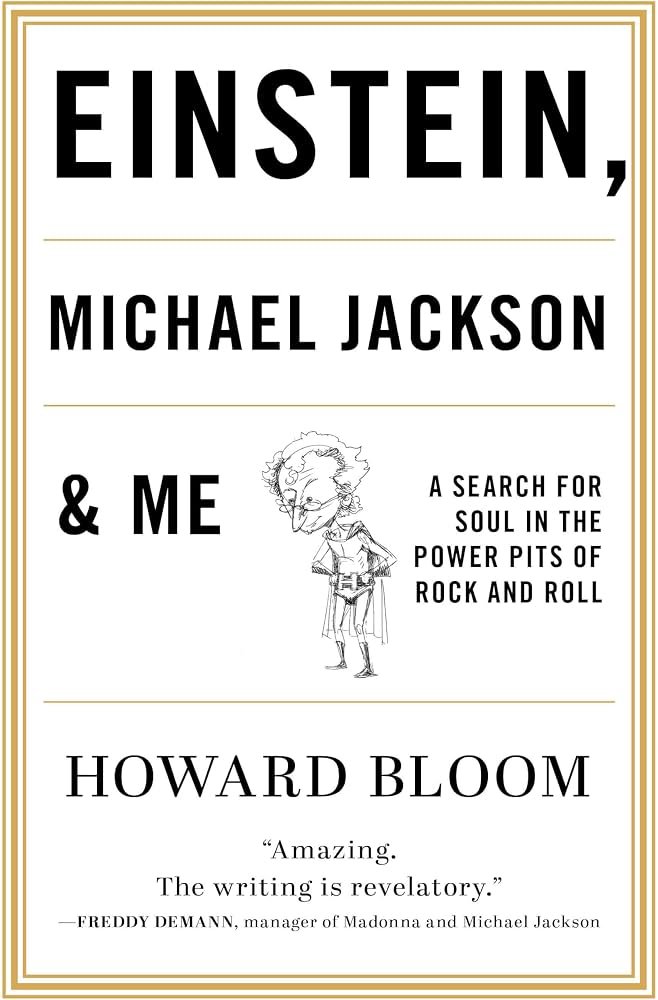
His 2020 book, Einstein, Michael Jackson & Me: A Search for Soul in the Power Pits of Rock & Roll, brought his seemingly different worlds together.
Featuring a foreword by Joan Jett, the memoir examines his experiences with musical legends while exploring the psychological and social forces behind stardom.
A Legacy That Defies Categories
Bloom has been associated with New York University as a visiting scholar and has participated in organizations advocating scientific exploration and space development.
His intellectual interests range from evolutionary biology and human psychology to the future of civilization beyond Earth.
British television’s Channel 4 has placed his work in the company of history’s most recognizable scientific thinkers, while Gear magazine once described him as the next Stephen Hawking.
Such comparisons reflect the unusual scope of Bloom’s ambitions, even as his theories continue to invite discussion, debate, and critical examination.
What makes Howard Bloom compelling is not simply the number of celebrated people he has known or the books he has written.
It is the consistency of his curiosity.

The same individual who helped shape the public image of international music superstars has spent much of his life asking why people believe what they believe, why societies rise and fall, and how the universe creates complexity.
For Bloom, music, science, and civilization are not separate subjects. They are different expressions of the same extraordinary phenomenon: the power of connection.
And at 83, Howard Bloom remains a thinker whose interests are far too expansive to fit neatly into any single profession.
Official Website: https://www.howardbloom.net