As the 25th anniversary of the terrorist attacks approaches, a psychologist warns couples about conflicts over intimacy or having “terror sex.”
NEW YORK, Sept. 8 — For some couples, the approaching 25th anniversary of September 11th attacks on the World Trade Towers and the Pentagon, and failed attempt landing in a Pennsylvania field, may bring a heightened desire for affection and sex. For others, it may abrupt withdrawal. A conflict, says psychologist and relationship and sex expert Dr. Judy Kuriansky, begins when partners differ in how they respond and don’t accept or respect that difference.
Kuriansky, who provided psychological first aid in the aftermath of the attacks, says anniversary-related distress can sabotage a couple’s most private moments, affecting sexual desire, emotional closeness, and their sense of trust in one another.
One partner may seek reassurance through lovemaking. The other may feel too anxious to consider physical intimacy. Those differences, she says, can leave both feeling misunderstood at a time when they most need support.
The key is to discuss those needs without treating either response as a measure of love or indicating signs of looming separation.
Kuriansky describes the need to be prepared for “anniversary reactions” — the resurfacing of feelings around the date of an emotionally charged event like the terrorist attacks that occurred on September 11, 2001. News coverage and commemorations reawaken memories and fears.
It is very important, Kuriansky advises, to pause, reflect, and recognize this connection of the present to a past experience, while realizing underlying causes can relieve the intensity of the reaction.
Within a relationship, those anniversary reactions can lead to arguments about money, frustration over everyday matters, or changes in sexual interest. Existing worries about work, health or family add to the strain.
Conflicting coping styles can make matters worse. Kuriansky notes that some people naturally “talkers”—those who want to revisit events and discuss their feelings—while others are “avoiders,” who prefer to limit reminders.
She recalled one woman whose husband threatened divorce because she insisted on watching Sept. 11 television coverage while he wanted to put the event out of his mind.

The episode illustrates how sharply partners’ intimacy and sexual needs can diverge. A conversation that comforts one person may overwhelm the other; a request for space may feel like abandonment to someone seeking reassurance.
Kuriansky advises couples to acknowledge those differences and talk openly about changes in their love and sex lives. Rather than assuming a partner has lost interest, she encourages them to consider whether fear, grief, or emotional overload may be contributing.
Physical affection can offer comfort without creating an expectation of sex. Hugging, holding each other and making time to be together are among the ways she suggests couples maintain connection. Planning an enjoyable evening can also create room for pleasure amid remembrance.
The aim, she says, is to understand and appreciate each other’s coping styles, and share what each want and need.
Kuriansky also cautions against impulsive sexual decisions driven by despair—a response she describes as “terror sex” or “apocalyptic sex,” in which fears about the future encourage a live-for-the-moment attitude.
For couples with children, relationship tension may have effects beyond the bedroom. Children exposed to unsettling coverage become more sensitive to conflict at home, she said, making reassurance and stability particularly important.

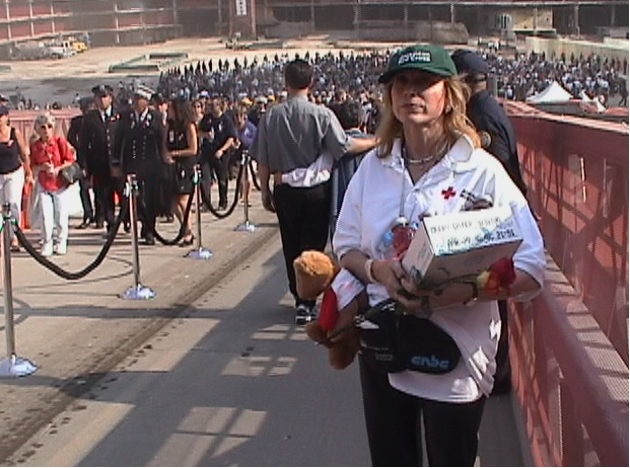
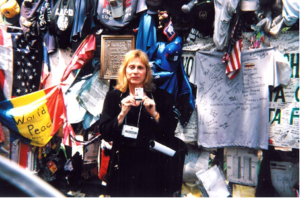
Known as “Dr. Judy” during 22 years of radio call-in advice, Kuriansky has counseled people following disasters and crises around the world, including earthquakes in Haiti, China and Japan and Iran, as well as school shootings, and epidemics. As a mental health volunteer after 9/11, she was assigned to provide support to first responders at the “pit”- the massive hole where the Twin Towers fell — and later at the Family Assistance Center, an experience that gives the anniversary personal as well as professional significance.
Known for her relationship advice to radio listeners as “Dr. Judy” on call-in shows for 22 years, and in her book “The Complete Idiots Guide to a Healthy Relationship”, her central message focuses on 3 C’s: communicate, make time for connection, and compromise about any differences.
Spicing up your sex life is essential and can involve simple steps. Kuriansky encourages couples to make time for shared activities that are enjoyable. Repeat what made each other pleased when first dating. Share what you find attractive about each other. Exchange ideas about how to spice up your sex life. Be creative in trying new things.

Spend a quiet evening together to reconnect or do something exciting, since being at an active event like a sports game or concert activates chemicals like adrenaline in your body that can turn into excitement for each other. Exercising together triggers the “pleasure chemicals” like endorphins that create the desire to bond.
She encourages couples to prepare for the date of 9/11 together and remain attentive afterward, when emotional reactions may linger.
People without partners, she adds, can seek comfort by reconnecting with friends and other ones they trust.
The anniversary carries personal significance for her. She worked at the World Trade Center site after the attacks and continues to attend annual health monitoring appointments through the World Trade Center Health Program, as well as commemorations organized by the Voices Center for Resilience.
“Be sure to tell people in your life that you love them,” she said.
Her other advice includes scheduling romantic time to be together on your calendar. Make small changes in your bedroom to be more romantic, like new sheets, an intimate photo, or candles. Do something simple but loving together like buying a new plant.
Music, Kuriansky says, can also stimulate attraction or needed relaxation. Shortly after Sept. 11, she and her songwriting partner, Russell Diasey, wrote “Towers of Light,” a song carrying a message of hope in the aftermath of any tragedy. When performed at a concert in Japan, the Dalai Lama described the song as “very powerful.”
The song’s 20th-anniversary music video and an account of its history are available online. Kuriansky’s personal and professional reflections on 25 years since Sept. 11 describe her experiences responding to the attacks and other disasters.
Media information: Kuriansky is available for interviews. Live or recorded performances of “Towers of Light” are also available by contacting: RussellDaisey@gmail.com
Article by Lorraine Silvetz