As the 2026 Formula 1 season races heats up the tarmac in Singapore, LUXUO floors the accelerator on a different kind of pursuit: the search for emotion in an increasingly technological car.
There was a time when the appeal of a performance car was easy to understand. An engine came alive, a gearshift marked each surge of acceleration, and the steering wheel communicated the road beneath the tyres. Inside, finely crafted materials offered another layer of sensory pleasure. Speed mattered, but so did the sounds, movements, and textures that made driving feel alive.
However, that formula is changing.
Electric motors can deliver near-instant torque without the rising crescendo of engine revs Digital interfaces can replace rows of buttons. Software can alter a car’s character with a few commands, while artificial sound can recreate some of the acoustic drama once produced mechanically.
The question is no longer whether technology can make a car faster. It clearly can. The harder question is whether more technology can still make a car feel human. The latest generation of performance and luxury cars suggests that pursuing emotion has become a design challenge. From Audi’s electrified RS 5 to Ferrari’s first fully electric production car, manufacturers are increasingly considering not only what a car can do, but how drivers experience it.
When Performance Becomes Electrified
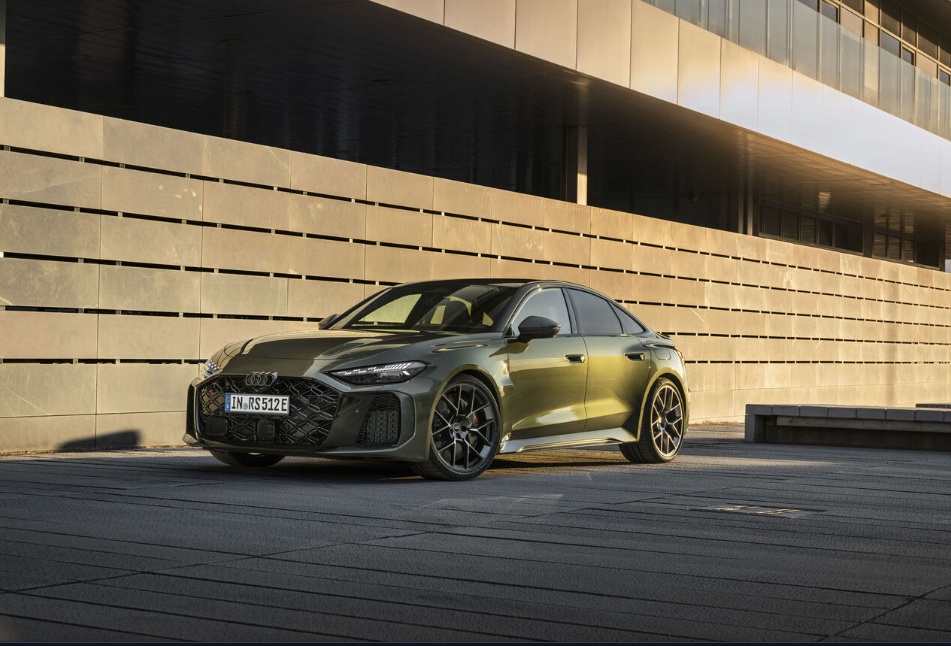
The new Audi RS 5 is a useful place to begin because it embodies the central contradiction of modern performance cars. Audi Sport’s first high-performance plug-in hybrid combines a 2.9-litre twin-turbo V6 with an electric motor for a system output of 470kW, or 639PS. More than 80km of electric driving is possible in urban conditions. At the same time, the car retains the visual language expected of an RS model, including wider bodywork, darkened Matrix LED headlights, an RS sports exhaust and more assertive interior details.
The contradiction is simple. Electrification is supposed to make performance cleaner, more efficient and more adaptable, yet performance cars are still expected to provoke an emotional response. Audi has placed the RS 5 directly inside that conversation. The model debuted as an F1 Pirelli Hot Laps car at the Miami Grand Prix in May 2026, linking a new-generation performance hybrid with a sport traditionally associated with noise, speed and mechanical spectacle.
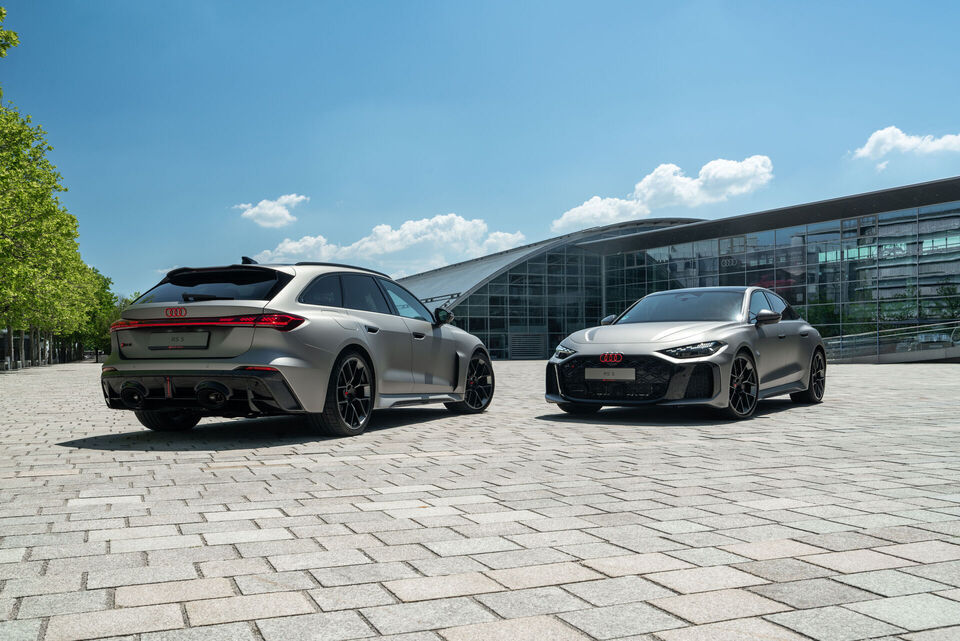
The symbolism is difficult to miss. While motorsport is moving toward greater electrification, a road-going RS model is trying to show that electrification need not mean the end of excitement. The RS 5 therefore raises the question that sits behind the entire pursuit: if the technology changes, what exactly needs to remain?
The answer may not be the engine itself. It may be the feeling it creates.
When The Engine Meets The Algorithm
Sound is one of the most obvious parts of that emotional equation.
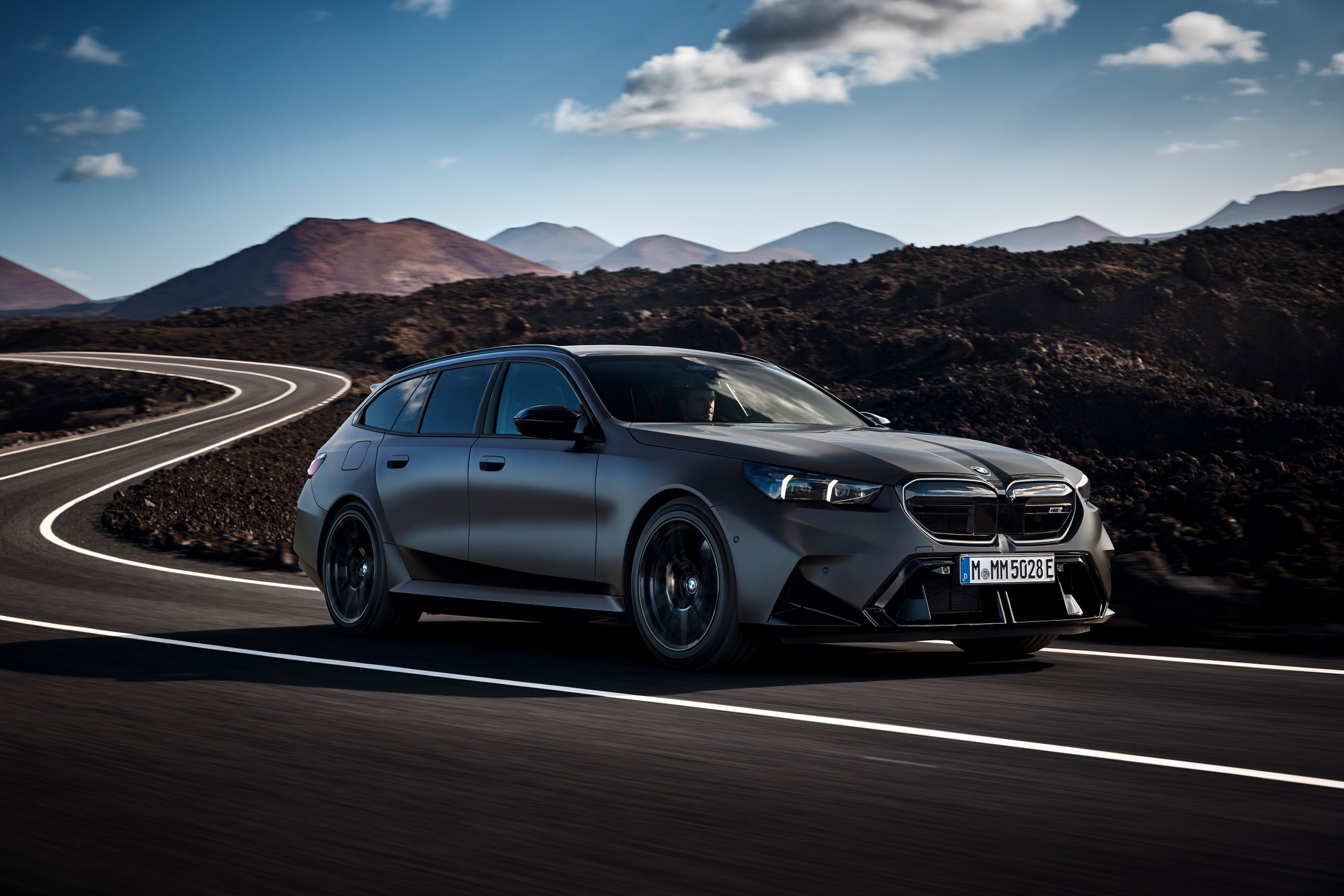
The BMW M5 provides an unusually clear case study because the current generation combines a high-revving V8 with an electric motor. The result is a car capable of delivering 727PS and 1,000Nm, but the numbers only tell part of the story.
BMW has also developed IconicSounds Electric, an acoustic system that responds to accelerator movements when the M5 is operating in electric mode. When the V8 and electric motor work together, the system provides an additional acoustic layer to the delivery of electric power.
That creates an intriguing reversal. For decades, sound was a by-product of mechanical activity. More revs meant more noise. A gear change altered the rhythm. A hard acceleration run produced a soundtrack that was physically connected to what was happening beneath the bonnet.
In an electrified car, sound can instead become part of the interface.
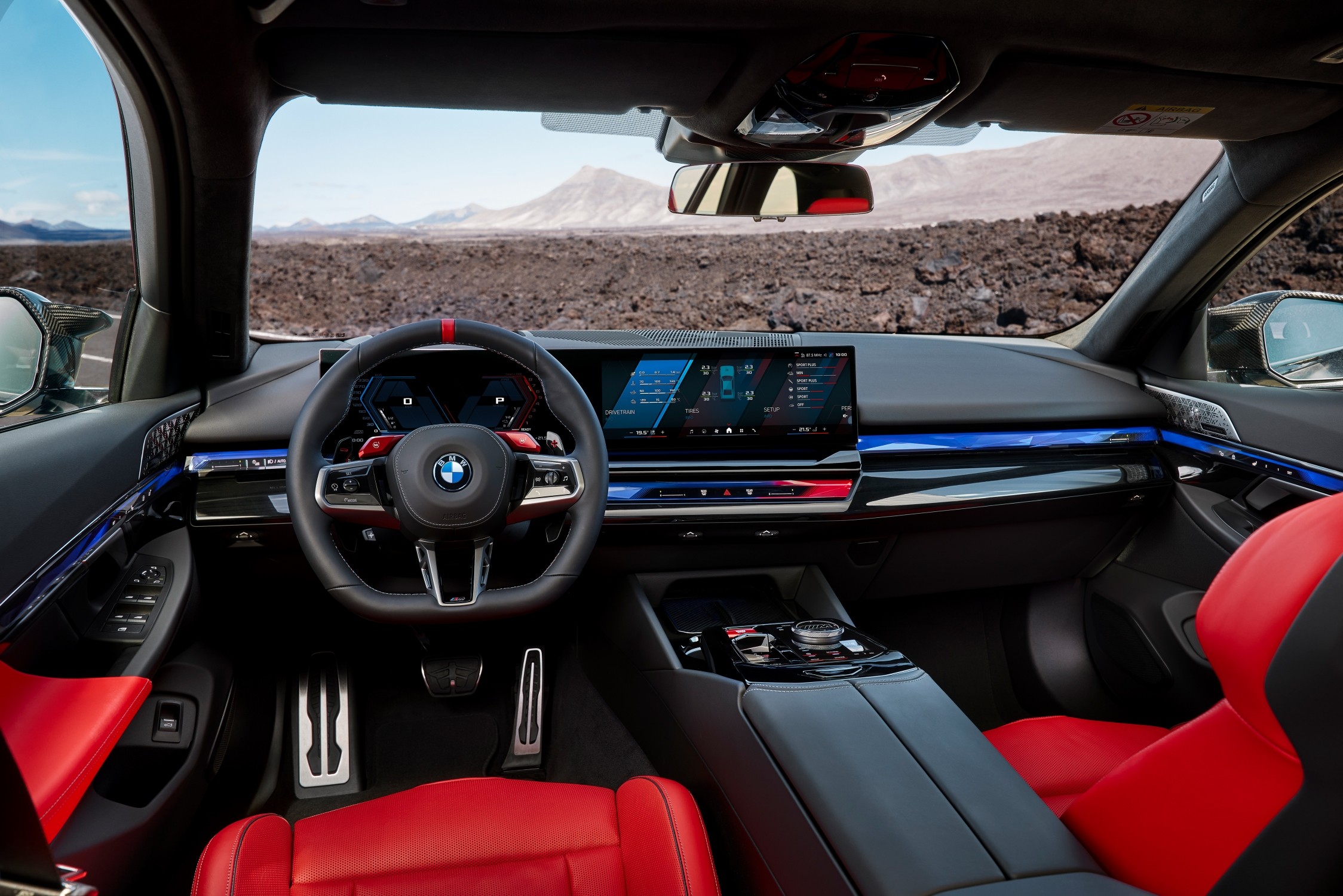
The M5 does not abandon physical interaction either. A model-specific control panel sits on the centre console, while the steering wheel carries illuminated M buttons. Touchscreen and voice controls coexist with switches, paddles, and physical controls that let the driving character change quickly. That combination reveals something important about modern performance cars. Emotional engagement does not necessarily depend on preserving old technology. It depends on preserving a sense of participation.
A button pressed, a paddle pulled or a change in sound experienced at the right moment gives the driver a sense of cause and effect. The machine responds, and the response can be felt rather than observed on a screen. The algorithm, in other words, has entered the soundtrack. The challenge is making the soundtrack feel connected to the machine.
When Materials Still Matter
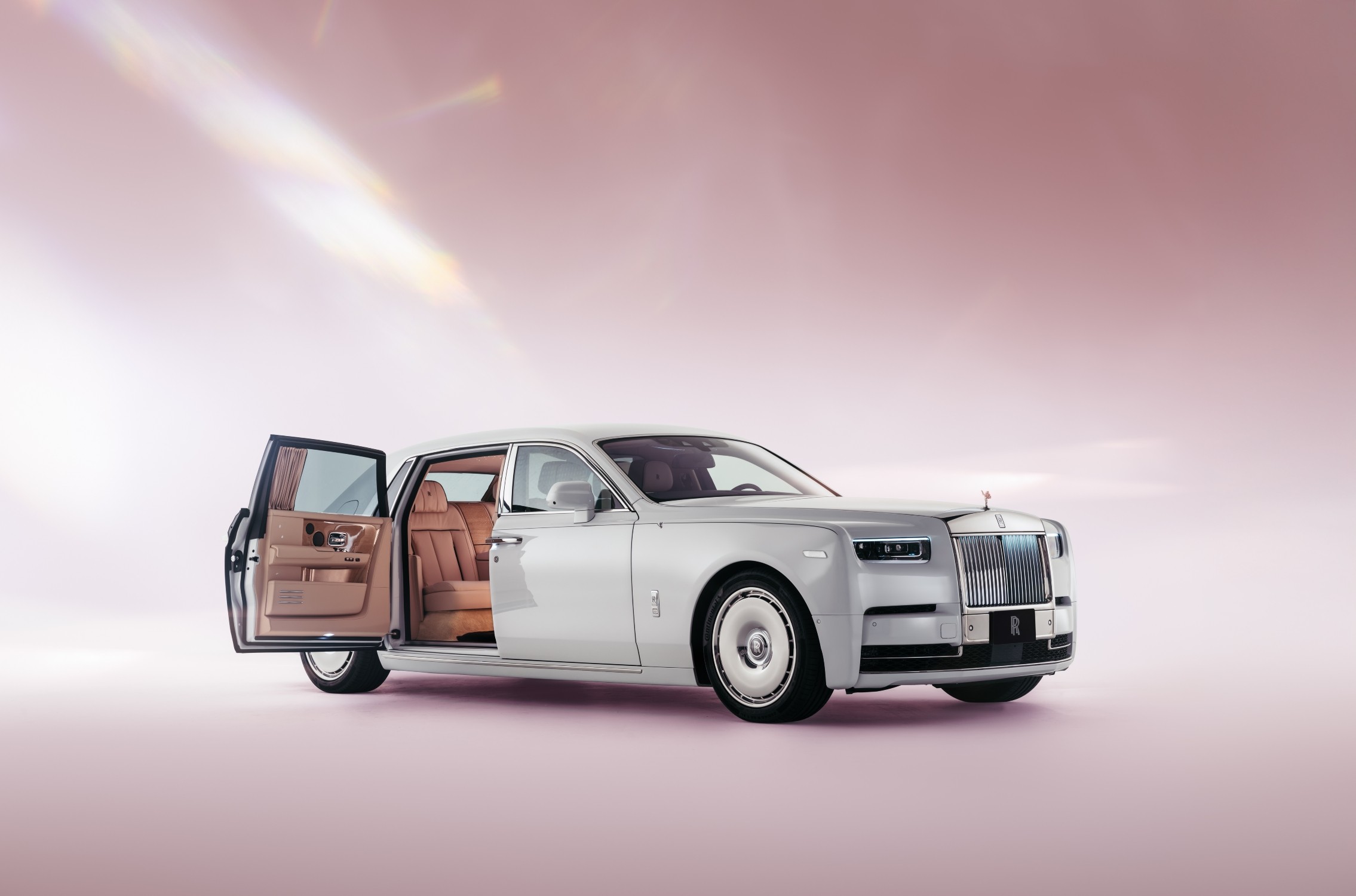
Emotion does not begin with acceleration. It can begin with a hand resting on a door, fingers moving across a piece of wood or the subtle resistance of a beautifully machined control. The Rolls-Royce Phantom operates at the opposite end of the automotive spectrum from the performance-focused RS 5 and M5. Yet, the same question applies: what makes a technologically advanced object feel human?
Phantom’s answer is craftsmanship.
The model’s recent centenary programme has pushed that idea further, combining wood, leather, metal, embroidery and fabric with advanced production techniques. Three-dimensional marquetry, 3D ink layering and 24-carat gold leafing have been developed to give wood greater depth and texture. The resulting surfaces are intended not merely to be viewed but experienced through touch.
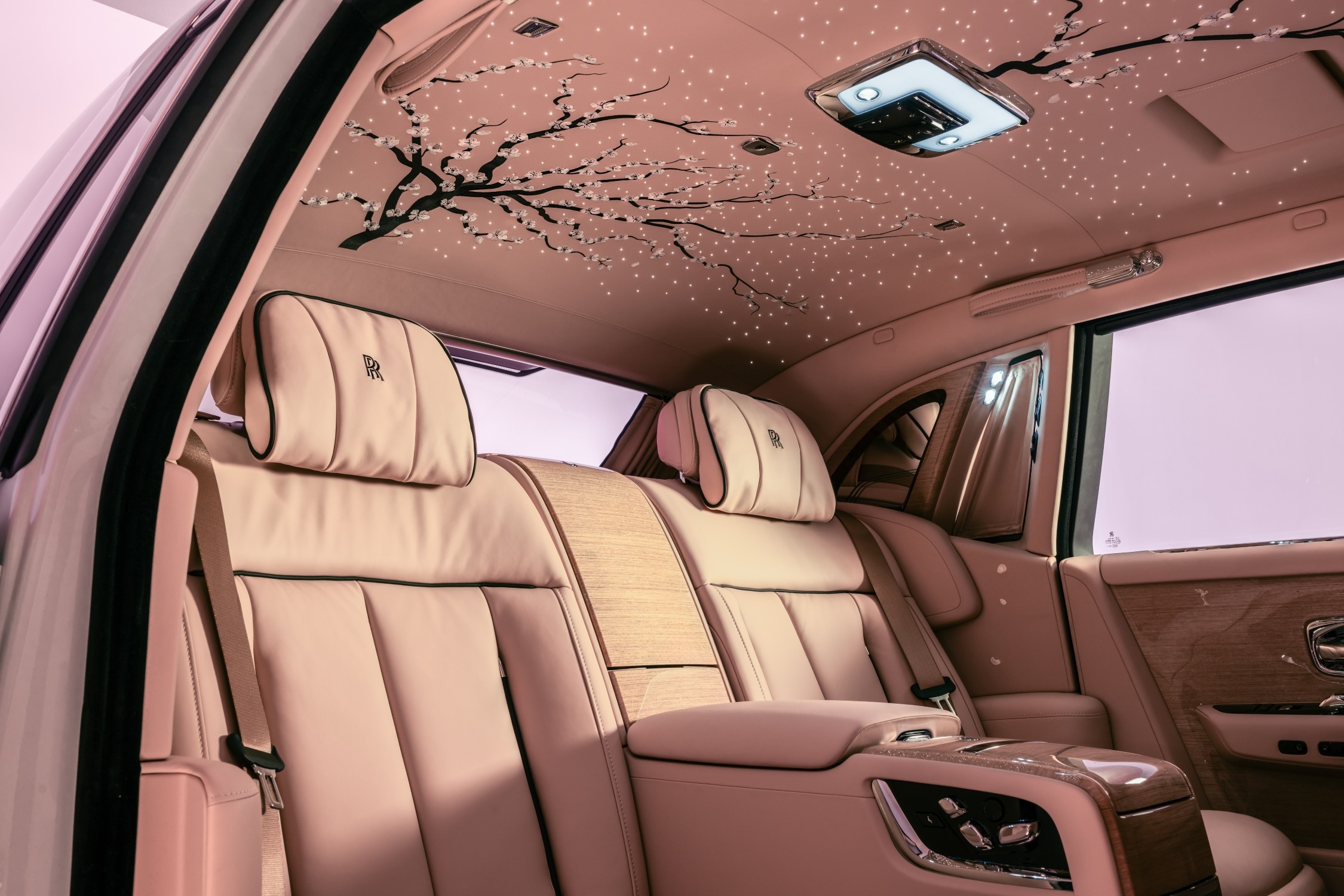
That distinction matters. A digital display can reproduce almost any image with remarkable precision. A physical material carries weight, temperature, grain and resistance. Leather changes with use. Wood has variation. Metal feels cold before warming beneath a hand.
Technology can reproduce an appearance. Material provides a physical experience. Rolls-Royce’s latest craft developments make that distinction especially clear. New techniques introduced in 2026 include three-dimensional hand-sculpted leather and metal, three-dimensional veneers and beadwork, extending the range of textures available within the cabin.
Such work may appear far removed from the question of electric powertrains, but the underlying challenge is similar. As cars become more digital, physical qualities become more valuable precisely because they cannot be experienced through a screen. Craftsmanship therefore becomes more than a luxury detail. It becomes part of the car’s emotional architecture.
When The Car Becomes Personal
Another route to emotional connection is participation.
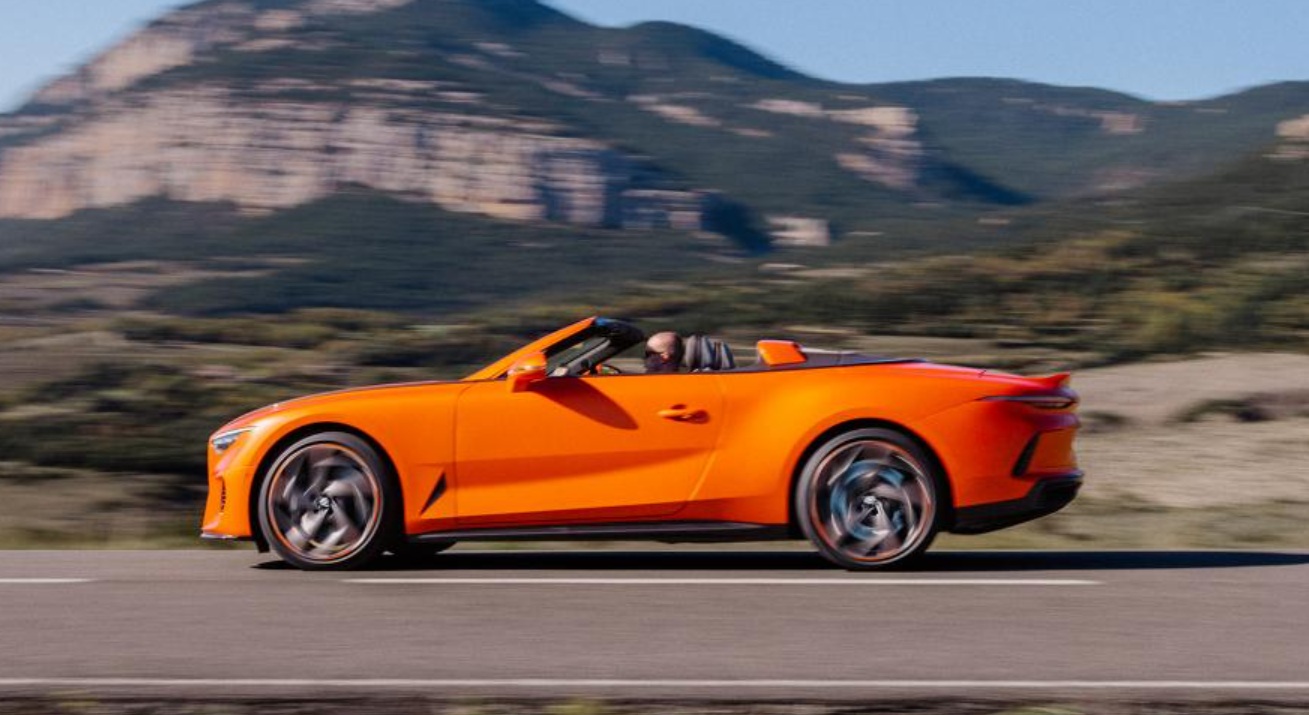
A mass-produced car can still become deeply personal through years of ownership, but the bespoke movement takes that relationship much further. The Bentley Batur by Mulliner provides one of the clearest examples. Limited to 18 examples, the Batur was conceived as a coachbuilt grand tourer and a preview of Bentley’s future design direction. Yet the more interesting story lies in how it was commissioned. Mulliner operates as Bentley’s personal commissioning division, allowing clients to work directly with designers and craftspeople on colours, materials, veneers, finishes and individual details. The process can extend far beyond selecting options from a catalogue.
That changes the emotional proposition.
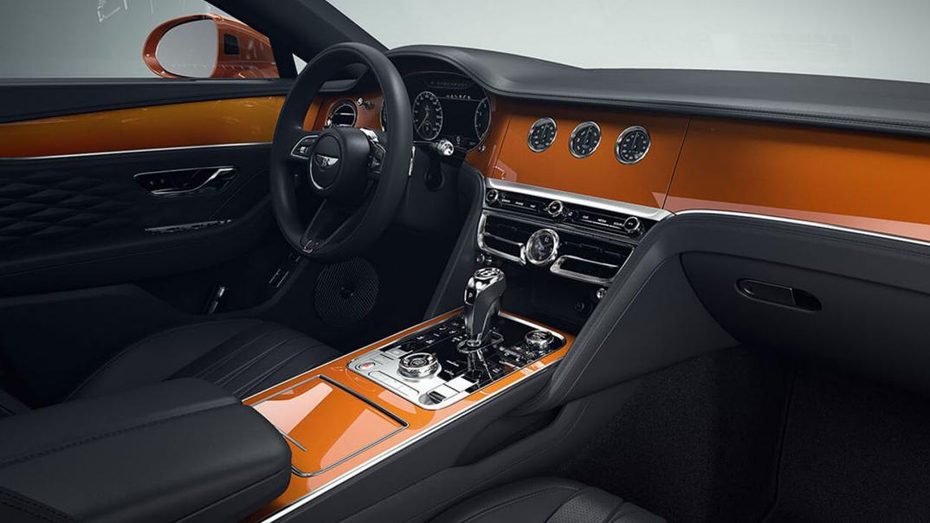
A conventional purchase ends with delivery. A bespoke commission begins with a conversation about taste, memories, references and preferences. A colour can be developed around a particular idea. A material can be selected for its texture. A detail can carry a personal meaning that would be invisible to anyone else.
The Batur demonstrates how individuality can become part of the manufacturing process itself. This is especially relevant as automotive technology becomes increasingly standardised. Electric motors, batteries, software and driver-assistance systems can be shared across models and brands. Personal expression becomes one area where a luxury car can remain distinctly individual. Mulliner’s proposition is therefore not simply that a car can be made more expensive through customisation. It is that a car can acquire meaning through participation. The emotional value begins before the first kilometre.
When Touch Comes Back
The final question returns to the cockpit.
Modern cars have increasingly adopted large screens, touch-sensitive surfaces and voice controls. These systems can reduce physical clutter and let drivers access many functions through software. Yet the move towards digital interfaces has also raised a basic question about driving: does every function need to be operated through a screen?
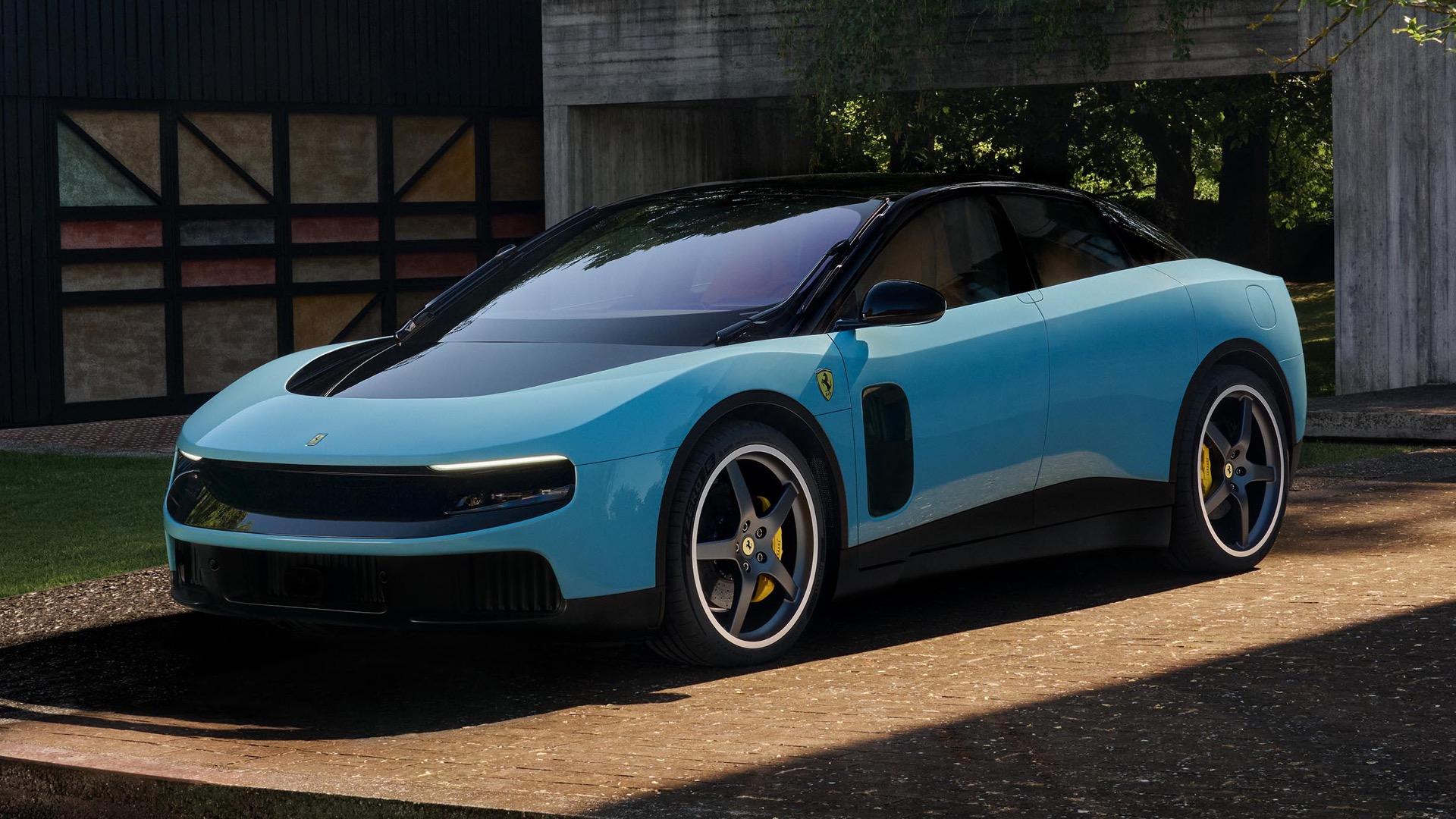
The Ferrari Luce, Ferrari’s first fully electric production car, offers a particularly interesting answer.
Developed with LoveFrom, the design collective founded by Jony Ive and Marc Newson, the Luce combines digital displays with physical switches, rotary controls and machined metal. The steering wheel uses conventional physical controls and rotary dials, while the cabin retains tactile interfaces for functions that could otherwise sit behind a touchscreen.
The philosophy is revealing. A physical control does not merely perform a task. It provides a point of contact between human and machine. You can find a rotary dial by touch. A switch has resistance. You can pull a paddle without taking your eyes off the road. The physical action becomes part of the driving experience.
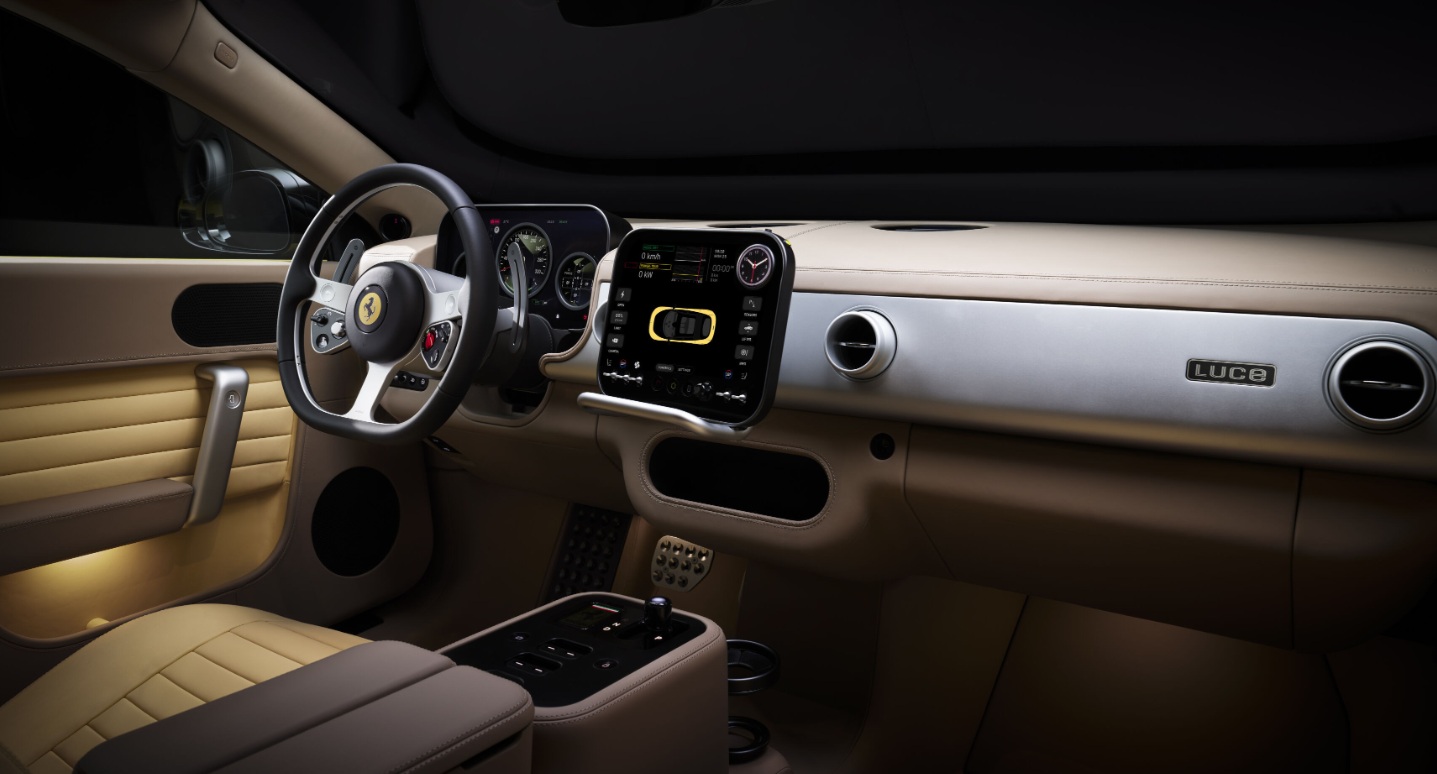
Motoring journalists have noticed the difference. Top Gear’s Paul Horrell recently described the wider movement towards physical controls as a backlash against years of increasingly screen-led interiors. At the same time, Ferrari’s Luce has become a particularly visible example of the shift. The model’s design also gives physical controls their own visual and tactile identity rather than treating them as leftovers from an earlier automotive era.
The return of buttons is therefore not simply nostalgia.
It reflects a broader realisation that interaction is part of emotion. That thinking is already extending beyond Ferrari. Porsche’s latest E-Shift system for the Taycan uses software to recreate virtual gear changes, shift sensations and acoustic feedback to give electric driving more physical involvement. Porsche engineer Markus Lindermeier describes the objective: “E-Shift brings more emotion and more feedback into the car.”
The significance lies in the reasoning behind the technology. Electric powertrains have removed some of the interruptions that once made driving feel active. Software now restores some of those sensations.
The Pursuit Continues
The future of automotive emotion is unlikely to involve a simple return to the past. The Audi RS 5 shows that electrified performance can still carry the visual and dynamic character associated with an RS car. The BMW M5 demonstrates how sound can become an engineered part of the driving experience. Rolls-Royce shows that materials and craftsmanship become more significant, rather than less, as digital technology advances. Bentley Mulliner turns personalisation into creative participation. Ferrari Luce treats physical interaction as essential to an electric car’s identity.
Across all five, the same principle emerges.
Emotion does not necessarily come from mechanical complexity. It comes from response, sensation, participation and meaning. An engine note matters because acceleration can be heard. A gearshift matters because the driver feels an action take place. A piece of leather matters because you can experience its texture. Bespoke details matter because a personal decision becomes an object. A physical control matters because the hand can operate it without a layer of glass standing between person and machine.
The most successful technology, then, may not be the technology that calls attention to itself. It may be the technology that makes a sophisticated car feel more immediate, more intuitive and more human. The pursuit of emotion is not really a pursuit of the past. It is a search for what should survive into the future.
For more automobile reads, click here.